
Are Dental Implants Worth It? Weighing Benefits, Risks & Long-Term Value
Losing a tooth can affect more than the appearance of your smile. A missing tooth may make chewing more difficult, affect how your remaining teeth come together, and contribute to changes in the surrounding bone over time. Dental implants are one option for replacing missing teeth, but many patients naturally want to know whether the treatment is worth the time, cost, and recovery involved.
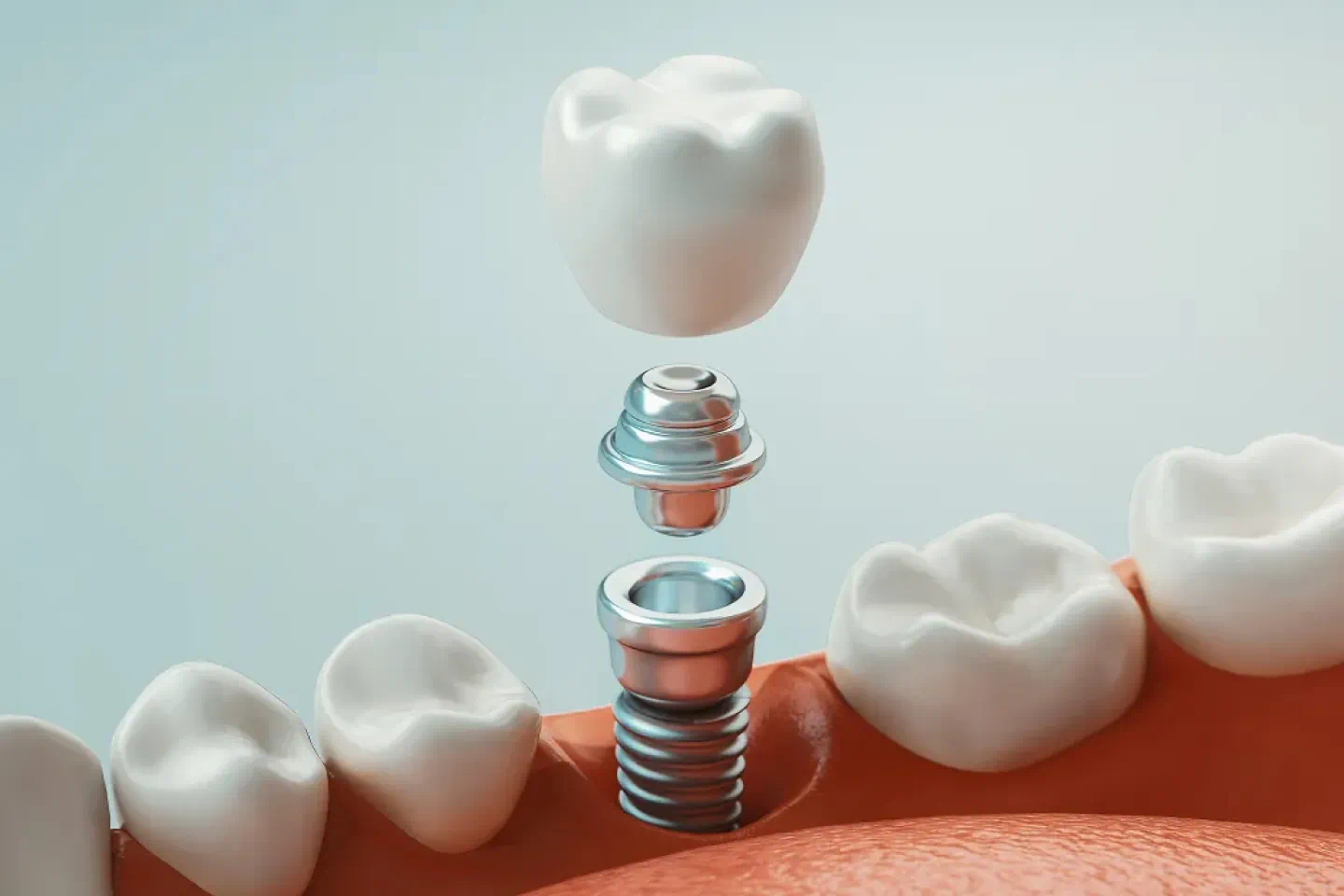
Dental implants are surgically placed into the jawbone and can support a dental crown, bridge, or denture. They are designed to replace the root portion of a missing tooth and provide support for a replacement tooth.
What Are Dental Implants?
A dental implant is a small post that is surgically placed into the jawbone to replace the root of a missing tooth. After the implant has had time to integrate with the surrounding bone, it can support a replacement tooth such as a crown.
A typical implant treatment may involve:
- An initial dental examination
- Imaging and treatment planning
- Placement of the dental implant
- A healing period
- Placement of an abutment when appropriate
- Placement of the final crown or other restoration
The exact process varies depending on the number of teeth being replaced, the condition of the jawbone, and your individual treatment needs. Bone healing can take several months, so dental implant treatment is not usually an immediate tooth replacement process.
What Are the Benefits of Dental Implants?
One of the main reasons patients consider implants is that they replace both the visible tooth and the root portion of a missing tooth.
Potential benefits include:
- Restoring chewing function
- Supporting a replacement tooth
- Helping preserve the jawbone around the missing tooth
- Providing a stable foundation for a crown, bridge, or denture
- Supporting the appearance of the smile
- Avoiding the need to rely solely on removable tooth replacement in some situations
The FDA notes that dental implants can help restore chewing ability and appearance and may help maintain the surrounding bone and support the stability of nearby teeth.
For patients missing a single tooth, an implant-supported crown can also replace the missing tooth without requiring the adjacent teeth to be prepared to support a traditional bridge.
How Do Dental Implants Compare With Other Tooth Replacement Options?
Dental implants are not the only way to replace missing teeth. Depending on your situation, your dentist may discuss options such as bridges or dentures.
Dental Implants
Implants are placed into the jawbone and can support an individual crown, bridge, or denture. They can provide a stable foundation while also replacing the root portion of the missing tooth.
Dental Bridges
A traditional bridge uses neighbouring teeth to support the replacement tooth. In some cases, the adjacent teeth need to be prepared to support the bridge.
Dentures
Dentures can replace multiple missing teeth or an entire arch of teeth. Depending on the type, they may be removable and can require adjustment as your mouth changes.
The appropriate option depends on factors such as the number and location of missing teeth, bone availability, oral health, treatment preferences, and overall health.
Your dentist can explain the differences between dental implants and other tooth replacement options during a consultation.
Are Dental Implants Worth the Cost?
The cost of dental implants is an important consideration. Implant treatment may involve several stages, including surgical placement, imaging, the restoration itself, and follow-up care.
Additional procedures may sometimes be necessary depending on the condition of the jawbone or surrounding tissues.
Rather than looking only at the initial price, it can be useful to consider the overall treatment involved and how the replacement fits into your long-term oral health needs.
Factors that can influence the total cost include:
- Number of implants required
- Type of restoration
- Condition of the jawbone
- Need for additional procedures
- Materials used for the restoration
- Complexity of the treatment
- Dental insurance benefits
- Follow-up and maintenance needs
A dental consultation can provide a more personalised estimate based on your individual treatment plan.
What Are the Risks of Dental Implants?
Like any surgical procedure, dental implant treatment carries potential risks. Complications can occur shortly after placement or later during the life of the implant.
Possible risks include:
- Infection
- Damage to nearby structures
- Nerve-related complications
- Sinus problems with certain upper-jaw implants
- Problems with healing
- Implant looseness or failure
- Difficulty cleaning around the implant
- Problems involving the surrounding gums or bone
The FDA specifically recommends discussing the potential benefits and risks with your dental provider before deciding whether implants are appropriate for you.
Mayo Clinic also identifies infection, injury to surrounding structures, nerve damage, and sinus problems among possible complications of implant surgery.
How Long Do Dental Implants Last?
Dental implants are designed for long-term tooth replacement, but there is no guaranteed duration that applies to every patient.
The longevity of an implant can be influenced by:
- Oral hygiene
- Gum health
- Bone health
- Smoking or tobacco use
- Teeth grinding
- Overall health
- Regular dental care
- The condition of the restoration
It is also important to distinguish between the implant itself and the visible crown or other restoration attached to it. The components can experience different types of wear over time.
The FDA notes that complications can occur even later after implant placement and that regular cleaning and dental visits are important for long-term implant success.
What Can Cause a Dental Implant to Fail?
Although many dental implants are successful, implant failure can occur.
Problems may develop when the implant does not properly integrate with the surrounding bone or when infection or other complications affect the implant and surrounding tissues.
Factors associated with increased risk can include:
- Smoking
- Poor oral hygiene
- Infection around the implant
- Untreated periodontal disease
- Certain health conditions
- Delayed healing
- Excessive forces from grinding or clenching
Smoking can interfere with healing and may reduce the long-term success of an implant.
This is one reason why a thorough dental and medical evaluation is important before implant treatment.
Do Dental Implants Require Special Care?
Dental implants still require regular care. Although the implant itself cannot develop a cavity in the same way as a natural tooth, the surrounding gums and tissues can develop problems.
Good implant care may include:
- Brushing twice daily
- Cleaning between teeth
- Cleaning around the implant carefully
- Attending regular dental checkups
- Having professional cleanings when recommended
- Avoiding damaging habits
- Addressing signs of gum inflammation promptly
Regular dental visits allow your dentist to monitor the implant, restoration, gums, and surrounding teeth. The FDA recommends regular dental visits and careful cleaning around dental implants to support long-term success.
If you are considering tooth replacement, restorative dentistry services can help you explore available options.
Who May Be a Candidate for Dental Implants?
Dental implants may be considered for adults who have one or more missing teeth and have sufficient bone to support the implant or can undergo appropriate treatment to improve bone support.
Your dentist may evaluate:
- The location of the missing tooth
- Jawbone quantity and quality
- Gum health
- Existing dental conditions
- Overall health
- Oral hygiene
- Smoking or tobacco use
- Your ability to maintain regular dental care
Mayo Clinic notes that adequate bone, healthy oral tissues, and the ability to heal are important considerations when determining whether someone may be suitable for dental implants.
Being evaluated for implants does not automatically mean you need them. Your dentist can discuss whether an implant, bridge, denture, or another option may be appropriate.
What If I Don't Have Enough Bone for an Implant?
Some patients may have insufficient bone in the area where an implant is being considered. Bone loss can occur after a tooth is removed or lost.
Depending on the location and extent of bone loss, your dentist may discuss additional procedures to improve the available bone before or during implant treatment.
Not every patient with reduced bone volume is automatically excluded from implant treatment, but additional planning may be necessary.
A detailed examination and appropriate imaging can help your dental team determine whether there is enough support for an implant.
Are Dental Implants a Good Long-Term Value?
The long-term value of dental implants depends on more than the initial cost. Patients may consider factors such as function, maintenance, treatment duration, appearance, and the expected performance of the restoration.
Potential long-term considerations include:
- Ability to replace a missing tooth with a fixed restoration
- Support for chewing function
- Preservation of bone around the missing tooth
- Maintenance requirements
- Potential future repair or replacement of components
- Overall treatment and follow-up costs
There is no single answer to whether implants provide the right value for every patient. The decision should be based on your oral health, treatment alternatives, goals, risks, and financial considerations.
What Should You Ask Before Getting Dental Implants?
Before beginning treatment, ask your dentist questions such as:
- Am I a suitable candidate for dental implants?
- Do I have enough bone to support an implant?
- Will I need additional procedures?
- What type of restoration will be placed?
- How long will the treatment process take?
- What risks apply to my specific situation?
- What will the total estimated cost be?
- Does my dental insurance provide any coverage?
- What maintenance will I need after treatment?
- What alternatives are available?
Understanding the complete treatment plan can help you make a more informed decision about replacing your missing tooth.
Dental Implant Care at SoFlo Dental
At SoFlo Dental of Kendall Miami and SoFlo Dental of South Miami, we provide dental care for patients considering options for replacing missing teeth.
Our team can evaluate your oral health, discuss your treatment goals, and determine whether dental implants may be an appropriate option. When implants are being considered, factors such as bone support, gum health, existing teeth, and overall health can all be part of the treatment assessment.
If you are interested in dental implants in Miami, schedule a consultation to discuss your options.
Are You Considering Dental Implants?
Dental implants can offer a stable approach to replacing missing teeth, but they also involve surgery, healing time, maintenance, and potential risks. The right choice depends on your individual oral health and treatment needs.
If you have a missing tooth and are considering your replacement options, contact SoFlo Dental to schedule a consultation and discuss whether dental implants may be suitable for you.
Frequently Asked Questions on Dental Implant Worth
Q: Are dental implants worth it?
Dental implants can provide a stable way to replace missing teeth and may offer benefits such as restored chewing function and support for the surrounding bone. However, they also involve surgery, healing time, cost, and potential complications. Whether they are appropriate depends on your individual oral health, treatment goals, and available alternatives.
Q: What are the main benefits of dental implants?
Dental implants can replace the root portion of a missing tooth and provide support for a crown, bridge, or denture. Potential benefits include improved chewing function, support for replacement teeth, and helping maintain the bone around the missing tooth.
Q: What are the risks of dental implants?
Potential risks include infection, damage to surrounding structures, nerve-related complications, sinus problems, healing problems, implant looseness, and implant failure. Your dentist can explain which risks are most relevant to your individual situation.
Q: How long does dental implant treatment take?
Dental implant treatment can take several months because the implant needs time to heal and integrate with the surrounding bone before the final restoration is placed. The exact timeline varies depending on the patient's condition and whether additional procedures are required.
Q: Can dental implants fail?
Yes. Although dental implants can be successful, complications and implant failure can occur. Factors such as smoking, infection, poor oral hygiene, gum disease, healing problems, and certain health conditions may affect outcomes. Regular dental care and proper oral hygiene are important for maintaining the implant and surrounding tissues.
SCHEDULE YOUR VISIT!
For appointments or inquiries.
*Your Full Name
*Location
*Your Email
*Your phone number
*Message body
I allow this website to store my submission so they can respond to my inquiry.
OUR TWO LOCATIONS
Kendall Miami & South Miami

13550 SW. 88th St., Unit #112, Miami, FL 33186
Working Hours
Mon: 11:30 a.m. – 8:00 p.m.
Tue: 9:00 a.m. – 5:00 p.m.
Wed: 11:30 a.m. – 8:00 p.m.
Thu: 9:00 a.m. – 4:30 p.m.
Fri: 9:00 a.m. – 4:30 p.m.
Sat: By Appointment Only
Sun: Closed
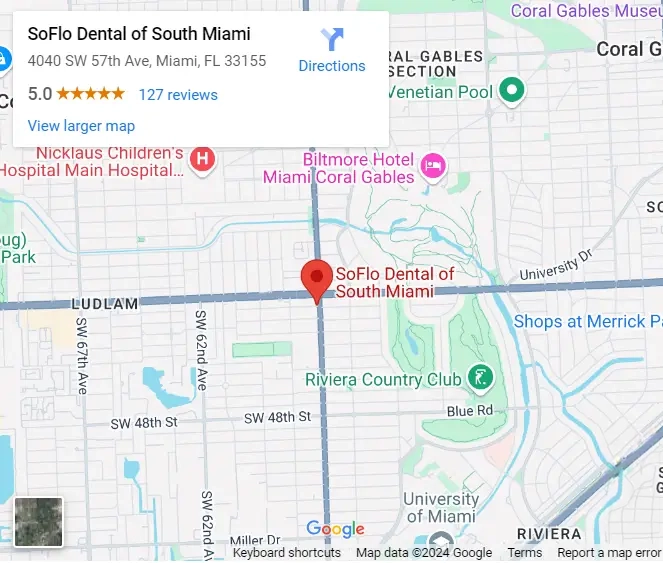
4040 SW 57th Ave, Miami, FL 33155
Working Hours
Mon: 9:00 a.m. – 5:00 p.m.
Tue: 9:00 a.m. – 5:00 p.m.
Wed: 8:30 a.m. – 8:00 p.m.
Thu: 9:00 a.m. – 5:00 p.m.
Fri: 9:00 a.m. – 5:00 p.m.
Sat: By Appointment Only
Sun: Closed

Welcome to SoFlo Dentistry, we provide exceptional dental care tailored to your needs. For appointments or inquiries.


