
How Do I Know If My Tooth Is Cracked or Broken?
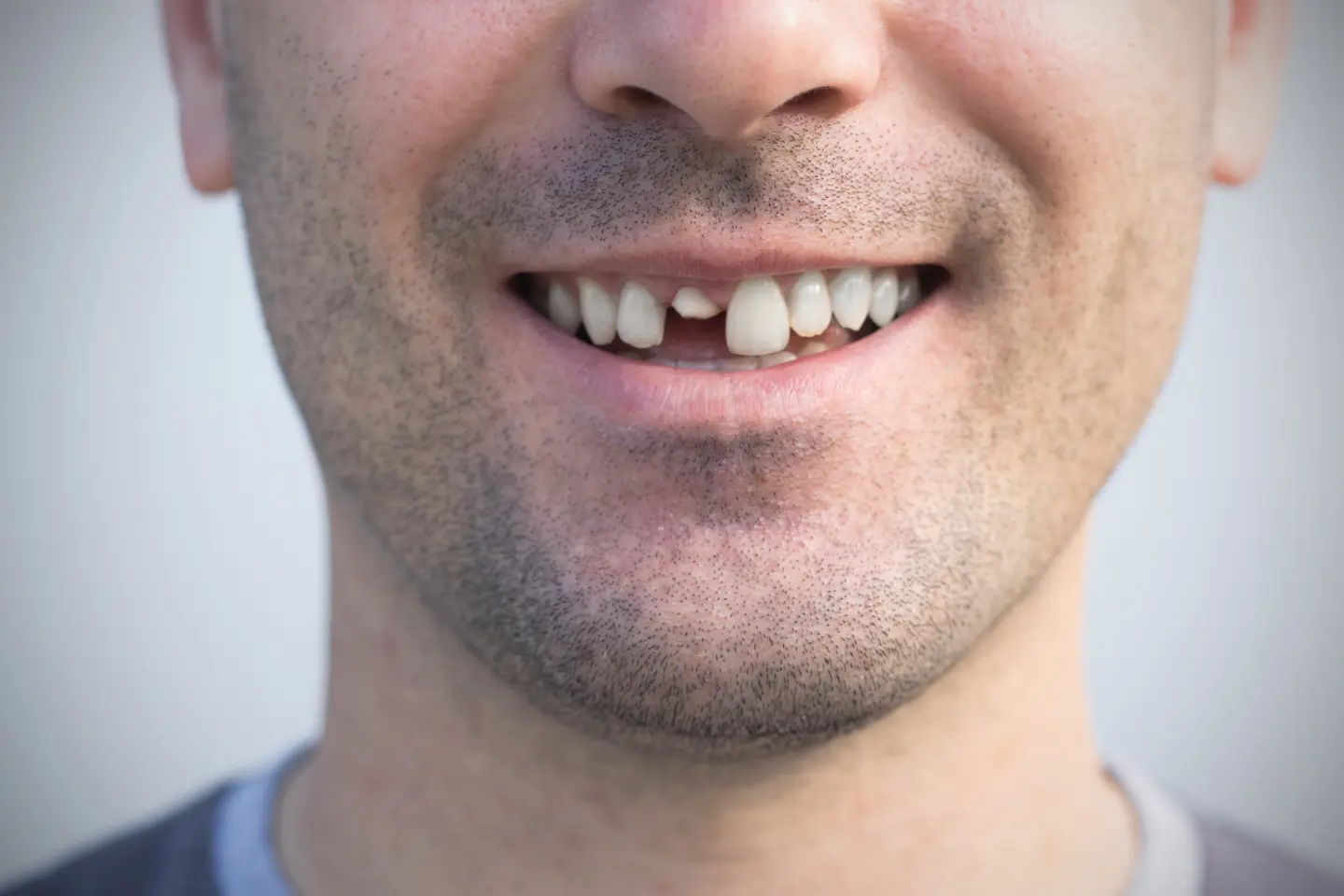
A chipped edge after biting into something hard may seem like a minor inconvenience, but not every damaged tooth is easy to identify. Some cracks are clearly visible, while others are hidden beneath the surface and may only cause occasional discomfort. Whether the damage is small or severe, a cracked or broken tooth should never be ignored. Without prompt treatment, the problem can worsen, leading to pain, infection, or even tooth loss. At SoFlo Dental of Kendall Miami and SoFlo Dental of South Miami, we diagnose and treat cracked, chipped, and broken teeth using advanced diagnostic technology and personalized treatment plans. Understanding the signs of tooth damage can help you seek care before a minor problem becomes a major dental emergency.
What Is the Difference Between a Cracked and a Broken Tooth?
Although the terms are often used interchangeably, they describe different types of dental damage. A cracked tooth has a fracture that extends through the enamel and sometimes into the deeper layers of the tooth. The tooth may still appear intact, making cracks difficult to detect without a dental examination. A broken tooth usually involves a piece of the tooth breaking away. This type of damage is often visible and may expose the inner layers of the tooth, causing sensitivity or pain. Both conditions require professional evaluation to determine the most appropriate treatment.
Common Causes of Cracked or Broken Teeth
Teeth are incredibly strong, but they are not indestructible. Several factors can contribute to cracks or fractures, including:
- Biting hard foods such as ice, popcorn kernels, or hard candy
- Teeth grinding or clenching (bruxism)
- Sports injuries or accidental falls
- Car accidents or facial trauma
- Large fillings that weaken the tooth structure
- Sudden temperature changes from very hot and cold foods
- Age-related wear and tear
Even healthy teeth can develop cracks over time due to years of everyday use.
Signs Your Tooth May Be Cracked or Broken
Not every crack causes immediate pain, but there are several warning signs to watch for.
Pain When Biting or Chewing
One of the most common symptoms is pain that occurs when biting down or releasing pressure. This discomfort may come and go, making it difficult to identify the source.
Sensitivity to Hot, Cold, or Sweet Foods
If your tooth suddenly becomes sensitive to temperature changes or sugary foods, a crack may be allowing irritants to reach the inner nerve tissue.
A Visible Chip or Missing Piece
A broken tooth may have:
- A rough or sharp edge
- A missing corner
- An uneven chewing surface
- A visible fracture line
Even small chips should be evaluated, as they can weaken the remaining tooth structure.
Swelling Around the Tooth
Inflammation or swelling of the gums near a damaged tooth may indicate irritation or infection that requires prompt treatment.
Persistent Toothache
A deep crack can expose or irritate the dental pulp, causing continuous or intermittent pain. Left untreated, the nerve may become infected.
Discomfort Without Visible Damage
Some cracks are too small to see with the eye. If you experience unexplained discomfort while chewing but cannot see any damage, schedule a dental examination.
Types of Tooth Cracks
Not all cracks are the same. Your dentist will determine the type of fracture before recommending treatment.
Craze Lines
These are tiny surface cracks in the enamel that commonly occur with age. They are generally harmless and do not require treatment unless they affect the appearance of your smile.
Fractured Cusp
A fractured cusp typically occurs around a dental filling. This type of crack often affects the chewing surface but usually does not involve the tooth's nerve.
Cracked Tooth
A crack that extends from the chewing surface toward the root can become more serious if left untreated. Early diagnosis offers the best chance of saving the tooth.
Split Tooth
When a crack progresses through the tooth, it may split into separate sections. Depending on the severity, the tooth may require extraction if it cannot be restored.
Vertical Root Fracture
These fractures begin in the root and move upward toward the chewing surface. Because symptoms often develop slowly, they may not be discovered until infection occurs.
When Should You See a Dentist?
You should contact your dentist as soon as possible if you notice:
- Sudden pain while chewing
- A chipped or broken tooth
- Tooth sensitivity that does not improve
- Swelling near a tooth
- A sharp edge that irritates your tongue or cheek
- Any visible crack or fracture
Early treatment often prevents more extensive damage and increases the chances of saving the tooth.
How Dentists Diagnose a Cracked Tooth
Because many cracks are difficult to see, your dentist may use several diagnostic techniques, including:
- A thorough visual examination
- Digital dental X-rays
- Bite tests to identify painful areas
- Special dental dyes to highlight fractures
- Magnification and bright illumination
These tools help determine the location and severity of the crack before treatment begins.
Treatment Options for a Cracked or Broken Tooth
The appropriate treatment depends on the extent of the damage.
Dental Bonding
Small chips and minor fractures can often be repaired with tooth-colored composite dental bonding, restoring both appearance and function.
Dental Crowns
Larger cracks or weakened teeth may require custom dental crowns to protect the remaining tooth and prevent further fracture.
Root Canal Therapy
If the crack has reached the dental pulp, root canal therapy may be necessary to remove infected tissue while preserving the natural tooth.
Tooth Extraction
If the tooth is severely fractured below the gumline or cannot be restored, extraction may be the safest option. Your dentist can discuss replacement solutions such as dental implants or bridges.
Can a Cracked Tooth Heal on Its Own?
Unlike bones, teeth cannot regenerate or repair themselves. Once a crack develops, it will not heal naturally. Delaying treatment can allow the crack to spread, making the tooth more difficult or impossible to save. Seeking dental care early offers the best chance of preserving your natural tooth.
How to Prevent Cracked and Broken Teeth
While accidents cannot always be prevented, you can reduce your risk by following these simple habits:
- Wear a custom mouthguard during sports.
- Avoid chewing ice and hard candies.
- Do not use your teeth to open packages.
- Wear a nightguard if you grind your teeth.
- Maintain regular dental checkups.
- Address cavities and damaged fillings promptly.
These preventive measures help keep your teeth healthy and strong.
Protect Your Smile with Prompt Dental Care
A cracked or broken tooth is more than a cosmetic concern. Even minor damage can progress over time, leading to pain, infection, and costly treatment if left untreated. Whether you notice a visible chip or experience unexplained discomfort while chewing, seeking prompt professional care can make all the difference. At SoFlo Dental of Kendall Miami and SoFlo Dental of South Miami, we provide comprehensive evaluations and personalized treatment for cracked, chipped, and broken teeth. Our goal is to restore your comfort, protect your oral health, and preserve your natural smile whenever possible.
Concerned About a Cracked or Broken Tooth?
If you're experiencing tooth pain, sensitivity, or have noticed a chip or crack, don't wait for the problem to worsen. Schedule an appointment with SoFlo Dental of Kendall Miami or SoFlo Dental of South Miami for a thorough evaluation and personalized treatment. Our experienced team is here to restore your smile and help protect your long-term oral health.
Frequently Asked Questions
Q: How can I tell if my tooth is cracked or just sensitive?
A: Tooth sensitivity can have several causes, including worn enamel, gum recession, or cavities. However, if the sensitivity occurs mainly when biting or releasing pressure, a cracked tooth may be the cause. A dental examination is the best way to determine the source of your symptoms.
Q: Is a small chipped tooth considered a dental emergency?
A: Small chips may not always require immediate emergency dental care, but they should still be evaluated promptly. Even minor fractures can worsen over time or expose the tooth to bacteria, increasing the risk of decay or infection.
Q: Can a cracked tooth become infected?
A: Yes. If the crack extends into the inner pulp of the tooth, bacteria can enter and cause an infection. This may lead to severe pain, swelling, or an abscess if left untreated.
Q: Will I always need a crown for a cracked tooth?
A: Not necessarily. Minor chips may only require dental bonding, while deeper cracks often benefit from a crown to strengthen and protect the tooth. Your dentist will recommend treatment based on the location and severity of the damage.
Q: What should I do if I break a tooth before my dental appointment?
A: Rinse your mouth with warm water, avoid chewing on the affected side, and save any broken pieces if possible. If you experience swelling, apply a cold compress to the outside of your face and contact your dentist as soon as possible for evaluation.
SCHEDULE YOUR VISIT!
For appointments or inquiries.
*Your Full Name
*Location
*Your Email
*Your phone number
*Message body
I allow this website to store my submission so they can respond to my inquiry.
OUR TWO LOCATIONS
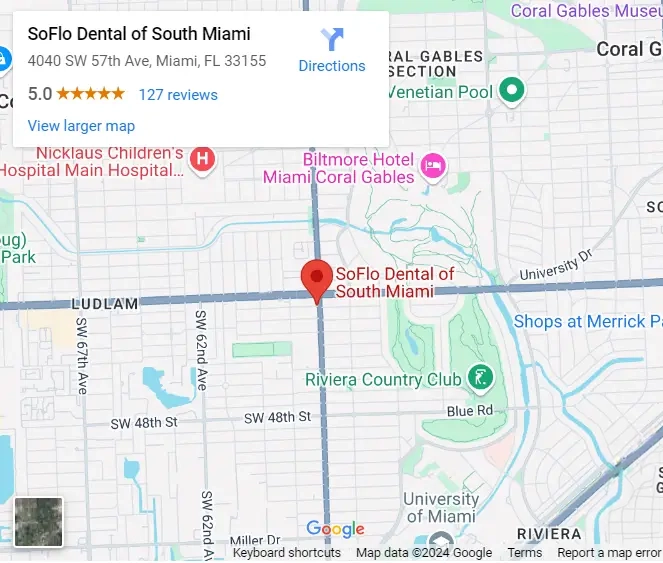
Kendall Miami & South Miami
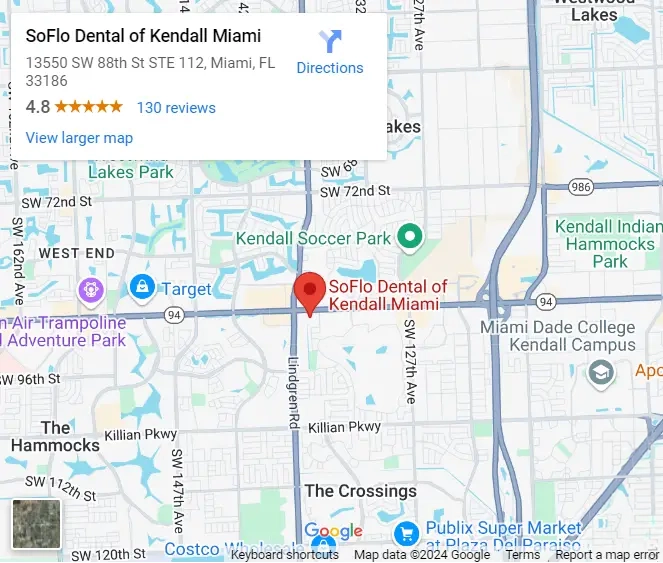
13550 SW. 88th St., Unit #112, Miami, FL 33186
Working Hours
Mon: 11:30 a.m. – 8:00 p.m.
Tue: 9:00 a.m. – 5:00 p.m.
Wed: 11:30 a.m. – 8:00 p.m.
Thu: 9:00 a.m. – 4:30 p.m.
Fri: 9:00 a.m. – 4:30 p.m.
Sat: By Appointment Only
Sun: Closed
4040 SW 57th Ave, Miami, FL 33155
Working Hours
Mon: 9:00 a.m. – 5:00 p.m.
Tue: 9:00 a.m. – 5:00 p.m.
Wed: 8:30 a.m. – 8:00 p.m.
Thu: 9:00 a.m. – 5:00 p.m.
Fri: 9:00 a.m. – 5:00 p.m.
Sat: By Appointment Only
Sun: Closed

Welcome to SoFlo Dentistry, we provide exceptional dental care tailored to your needs. For appointments or inquiries.


