
How Long Do Dental Implants Last? Tips for Longevity
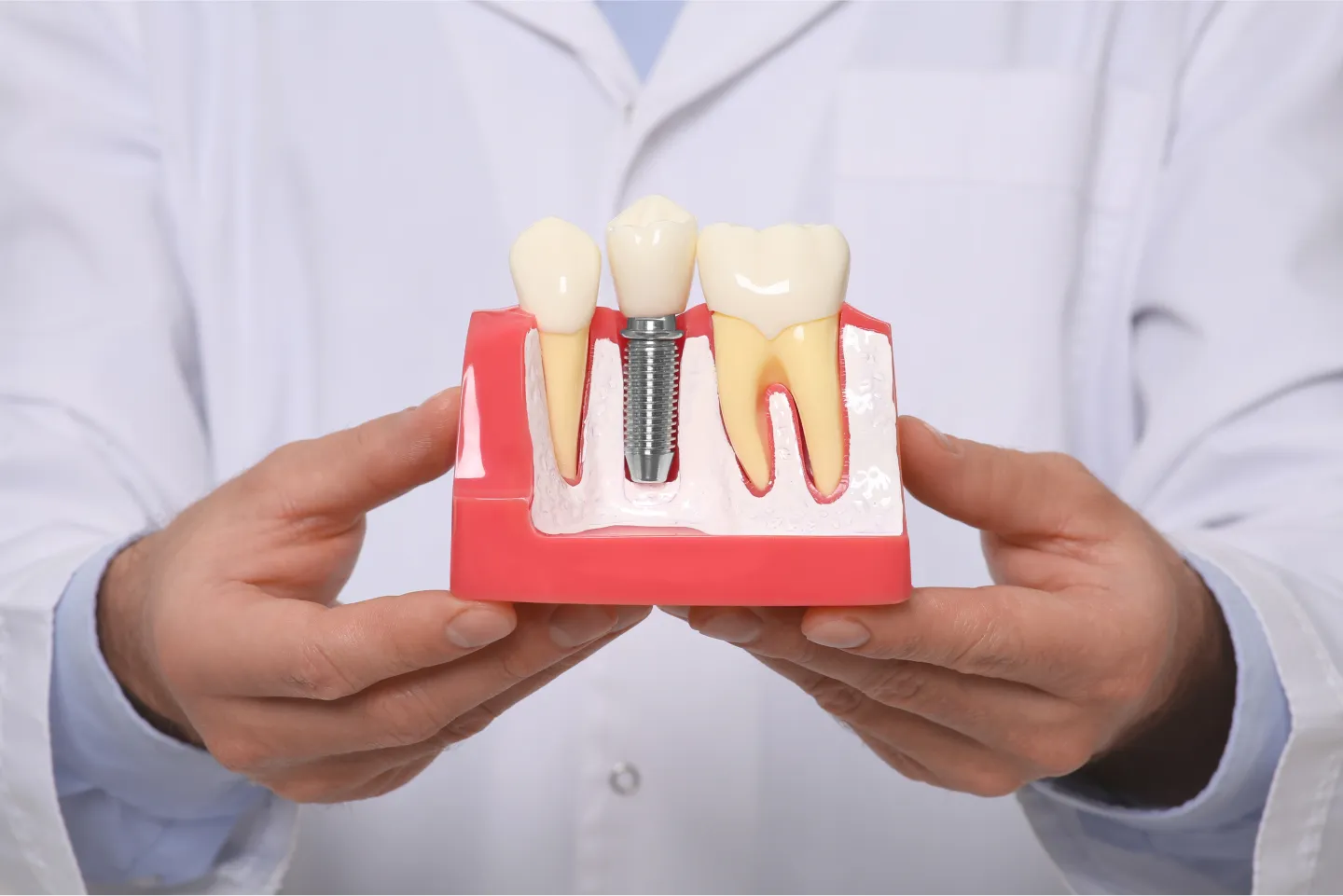
Dental implants are widely considered one of the most durable and reliable solutions for replacing missing teeth. For many patients, they are not just a cosmetic improvement but a long-term investment in oral health and quality of life. One of the most common questions people ask before choosing implants is simple but important: how long do dental implants actually last?
The short answer is that dental implants are designed to last many years, often decades. With proper care, many implants last a lifetime. Understanding what affects implant longevity and how to care for them can help you get the most from your treatment.
How Long Do Dental Implants Typically Last?
The dental implant itself, which is the titanium post placed into the jawbone, is designed to be permanent. In most cases, the implant can last 20 years or more, and often for the rest of a patient’s life.
The crown placed on top of the implant may not last as long as the implant post. Crowns are subject to normal wear and tear from chewing and grinding, so they may need replacement after 10 to 15 years. Replacing a crown is far simpler than replacing the implant itself.
When patients maintain good oral hygiene and attend regular dental visits, implants have very high long-term success rates.
What Factors Affect the Lifespan of Dental Implants?
Several factors influence how long dental implants last. Some are related to daily habits, while others depend on overall oral health.
- Bone and gum health play a major role. Healthy gums and a strong jawbone support help keep implants stable. Patients with untreated gum disease are at a higher risk of implant complications.
- Oral hygiene is another key factor. Plaque and bacteria can build up around implants just as they do around natural teeth. Without proper care, this can lead to inflammation and implant failure.
- Lifestyle habits also matter. Smoking significantly increases the risk of implant problems because it affects healing and blood flow. Teeth grinding, especially at night, can place excess pressure on implants and crowns.
- Regular dental care is essential. Routine exams allow your dentist to monitor implant health and address small issues before they become serious.
Tips to Make Dental Implants Last Longer
Dental implants do not require special tools or complicated routines, but consistency is crucial. These simple tips can greatly extend the life of your implants.
- Brush twice a day using a soft-bristle toothbrush. This helps remove plaque without damaging the gums around the implant.
- Floss daily to clean around the implant and prevent bacteria from collecting near the gumline. Special floss or interdental brushes may be recommended for easier cleaning.
- Attend regular dental checkups and professional cleanings. These visits allow your dentist to monitor bone and gum health and ensure the implant remains secure.
- Avoid smoking or using tobacco products. Smoking is one of the leading causes of implant failure.
- If you grind or clench your teeth, wear a custom night guard. This protects both your implants and natural teeth from excessive force.
- Avoid chewing ice, hard candies, or using your teeth to open objects. These habits can damage the implant crown over time.
Can Dental Implants Fail Over Time?
Dental implant failure is rare, especially when implants are placed by an experienced dentist and properly maintained. When failures do occur, they are often linked to poor oral hygiene, untreated gum disease, smoking, or uncontrolled medical conditions.
Early signs of implant problems may include gum redness, swelling, discomfort, or looseness around the implant. Regular dental visits help catch these signs early, when treatment is most effective.
Do Dental Implants Age Like Natural Teeth?
Dental implants do not decay like natural teeth because they are made from artificial materials. However, the gums and bone around them still require care. Inflammation around implants can lead to a condition called peri-implant disease, which is similar to gum disease.
This is why daily hygiene and professional care remain important even though implants themselves cannot get cavities.
Are Dental Implants Worth the Long-Term Investment?
While dental implants may have a higher initial cost compared to other tooth replacement options, their longevity often makes them more cost-effective over time. Dentures and bridges usually require replacement or adjustment every few years, while implants can last decades with minimal maintenance.
Many patients also report improved comfort, confidence, and quality of life after implant treatment, which adds to their overall value.
Frequently Asked Questions About Dental Implant Longevity
Q: Can dental implants really last a lifetime?
A: Yes. With proper care, the implant post itself can last a lifetime for many patients.
Q: How often do implant crowns need replacement?
A: Implant crowns typically last 10 to 15 years, depending on wear, bite pressure, and oral habits.
Q: Does age affect how long implants last?
A: Age alone does not affect implant longevity. Overall health, bone quality, and oral hygiene are more important factors.
Q: Can implants fail years after placement?
A: Late implant failure is uncommon but possible, often due to gum disease, smoking, or lack of regular dental care.
Q: Do implants need special cleaning products?
A: No. Regular brushing, flossing, and professional cleanings are usually sufficient.
Q: What is the biggest threat to implant longevity?
A: Poor oral hygiene and smoking are among the biggest risks to long-term implant success.
Final Thoughts
Dental implants are one of the longest-lasting and most reliable tooth replacement options available. With proper care, healthy habits, and regular dental visits, implants can provide decades of comfort, function, and confidence.
If you are considering dental implants or already have them and want to protect your investment, focusing on daily oral hygiene and preventive care is the key. A personalized dental evaluation can help ensure your implants remain healthy and secure for years to come.
SCHEDULE YOUR VISIT!
For appointments or inquiries.
*Your Full Name
*Location
*Your Email
*Your phone number
*Message body
I allow this website to store my submission so they can respond to my inquiry.
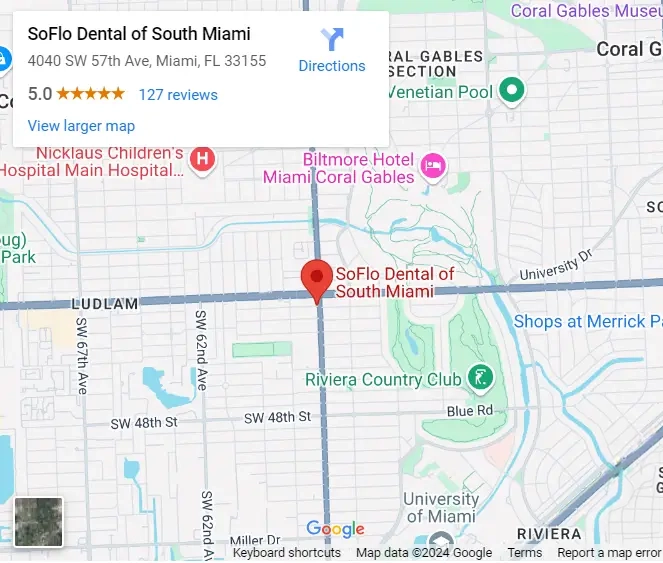
OUR TWO LOCATIONS
Kendall Miami & South Miami
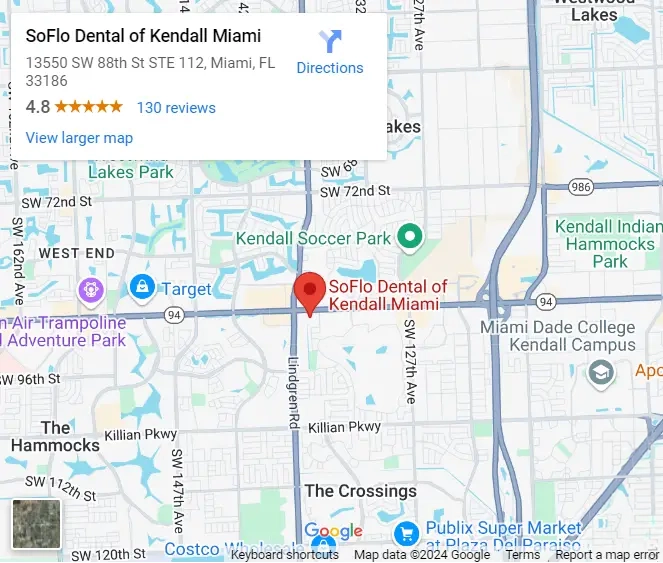
13550 SW. 88th St., Unit #112, Miami, FL 33186
Working Hours
Mon: 11:30 a.m. – 8:00 p.m.
Tue: 9:00 a.m. – 5:00 p.m.
Wed: 11:30 a.m. – 8:00 p.m.
Thu: 9:00 a.m. – 4:30 p.m.
Fri: 9:00 a.m. – 4:30 p.m.
Sat: By Appointment Only
Sun: Closed
4040 SW 57th Ave, Miami, FL 33155
Working Hours
Mon: 9:00 a.m. – 5:00 p.m.
Tue: 9:00 a.m. – 5:00 p.m.
Wed: 8:30 a.m. – 8:00 p.m.
Thu: 9:00 a.m. – 5:00 p.m.
Fri: 9:00 a.m. – 5:00 p.m.
Sat: By Appointment Only
Sun: Closed

Welcome to SoFlo Dentistry, we provide exceptional dental care tailored to your needs. For appointments or inquiries.


