
Digital Dental X-Rays: A More Efficient and Safer Way to Diagnose Dental Issues
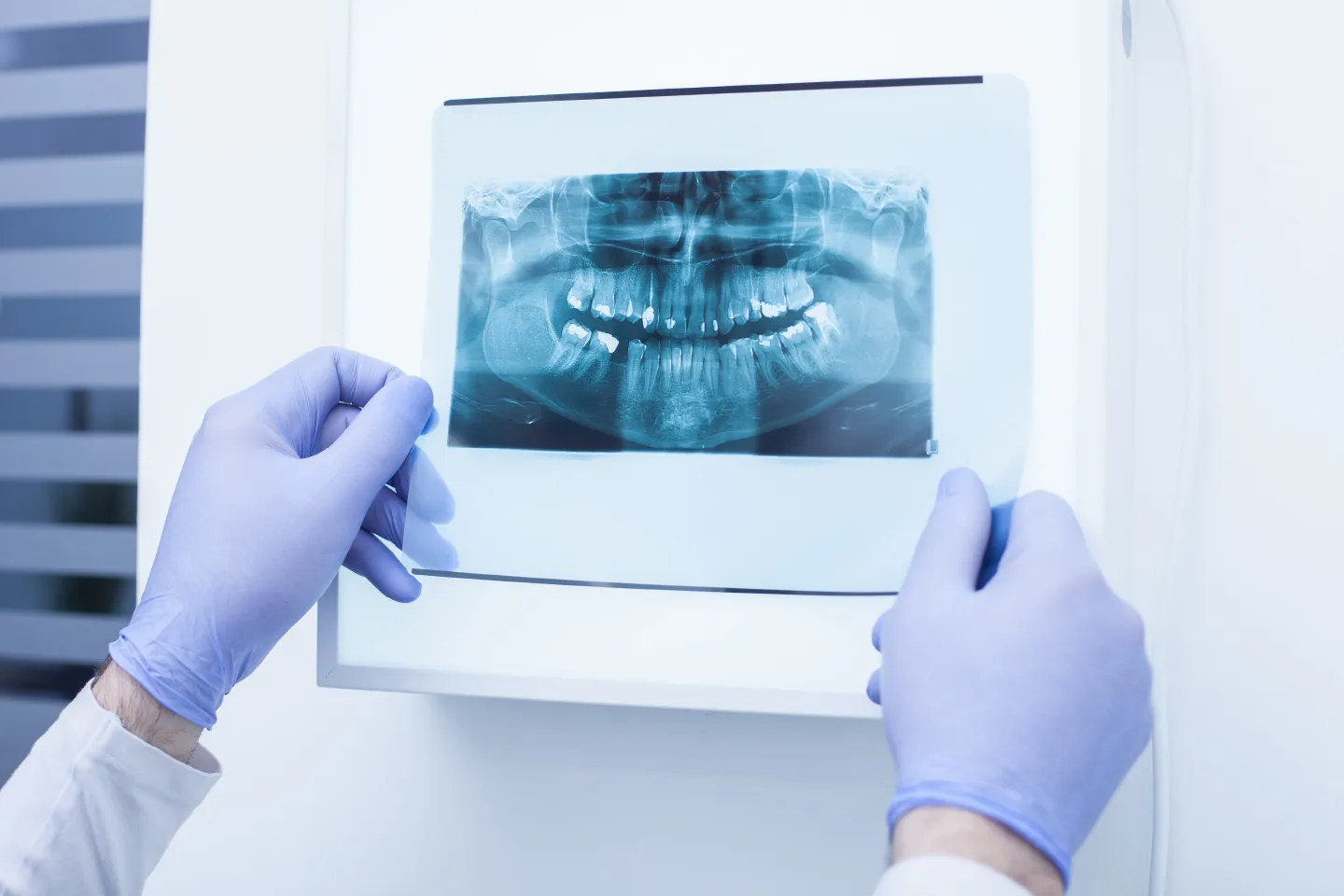
If you’ve ever felt uneasy about dental X-rays, you’re not alone. Many patients worry about radiation, discomfort, or simply don’t understand why they’re needed. But here’s the truth: modern digital dental X-rays have completely transformed how dentists diagnose and treat oral health issues, making the process faster, safer, and far more accurate.
From my experience working closely with dental practices for over 10 years, I’ve seen a clear shift patients today are far more confident and informed once they understand how digital dental X-rays actually work. Clinics that educate patients about this technology consistently see better treatment acceptance and trust.
What Are Digital Dental X-Rays?
Digital dental X-rays are a modern form of dental imaging that uses electronic sensors instead of traditional film to capture detailed images of your teeth, gums, and jaw.
Think of it like upgrading from an old camera to a smartphone faster results, clearer images, and more control.
Also known as digital radiography, this technology is now widely used in modern advanced dental technology setups.
Why Digital Dental X-Rays Are Better Than Traditional X-Rays
1. Significantly Lower Radiation Exposure
According to the American Dental Association (ADA), digital X-rays reduce radiation exposure by up to 90% compared to traditional methods.
This makes them especially safe for:
- Children
- Pregnant patients (with precautions)
- Patients needing frequent imaging
2. Instant Results = Faster Diagnosis
With traditional X-rays, you had to wait for the film to be developed. Now?
- Images appear instantly on a screen
- Dentists can diagnose problems in real-time
- Treatment decisions happen faster and more accurately
This is especially helpful during routine dental cleanings and exams.
3. Superior Image Quality
Digital imaging allows dentists to:
- Zoom into specific areas
- Adjust brightness and contrast
- Detect tiny cavities or fractures early
This level of clarity improves dental radiography accuracy significantly and helps detect issues like early-stage cavities.
4. Eco-Friendly & Chemical-Free
Traditional X-rays required:
- Film
- Chemical processing
- Physical storage
Digital X-rays eliminate all of that, making them environmentally friendly and easier to manage.
Types of Digital Dental X-Rays
Understanding the types can help reduce anxiety and set expectations.
1. Bitewing X-Rays
Used to detect:
- Cavities between teeth
- Bone loss
2. Periapical X-Rays
Focus on:
- Entire tooth (root to crown)
- Infections or abscesses
These are often used when diagnosing severe tooth pain or planning treatments like root canal treatment.
3. Panoramic X-Rays
Capture:
- Entire mouth in one image
- Wisdom teeth, jaw issues, and alignment
Commonly recommended before procedures such as wisdom teeth removal.
4. CBCT (3D Imaging)
Advanced dental imaging is used for:
- Implants
- Orthodontics
- Complex cases
This technology is similar to cone beam 3D imaging, which provides highly detailed scans for precision treatment planning.
The Dental X-Ray Procedure: What to Expect
If you’re a first-time patient, here’s a simple breakdown of the dental X-ray procedure:
- Preparation: You’ll wear a protective lead apron.
- Positioning: A small digital sensor is placed in your mouth.
- Imaging: The machine captures images in seconds.
- Review: Your dentist shows you the results instantly.
The entire process usually takes less than 5 minutes.
Are Digital Dental X-Rays Safe?
Short answer: Yes extremely safe.
Here’s why:
- Radiation levels are very low
- Safety protocols (like lead aprons) add protection
- Technology is designed for minimal exposure
According to the World Health Organization (WHO) and FDA, dental X-rays especially digital ones are considered safe when used appropriately.
When Do You Need Dental X-Rays?
Dentists don’t take X-rays randomly they’re used strategically.
You may need dental radiography if you have:
- Tooth pain or sensitivity
- Suspected cavities
- Gum disease symptoms
- Impacted teeth
- Planning for braces or implants
For new patients, X-rays help create a baseline for long-term oral health tracking.
Are There Any Downsides?
To build trust, let’s be honest no technology is perfect.
Potential Limitations:
- Slight initial discomfort from the sensor
- Higher setup cost for clinics
- Not always needed at every visit
However, these are minor compared to the diagnostic benefits and safety improvements.
Why Patients Shouldn’t Skip Dental X-Rays
Skipping X-rays might feel like avoiding risk but it can actually increase it.
Without proper imaging, dentists may miss:
- Hidden decay
- Bone loss
- Early infections
Early detection means less invasive and more affordable treatment.
How Digital Dental X-Rays Improve Patient Trust
One thing I’ve consistently observed working with dental clinics:
When dentists show patients their X-rays on-screen and explain them clearly, patients:
- Feel more involved
- Understand their condition better
- Are more likely to accept treatment
This transparency is a huge step forward in modern dentistry.
Final Thoughts: The Future of Dental Diagnosis
Digital dental X-rays are not just an upgrade they’re the new standard of care.
They combine:
- Safety
- Speed
- Precision
If your dentist uses digital radiography, you’re already benefiting from one of the most important advancements in dental care.
And if you’ve been delaying a check-up because of X-ray concerns, you can always schedule a visit through the contact page and get expert guidance.
And if you’ve been delaying a check-up because of X-ray concerns, rest assured, today’s technology is designed with your safety and comfort in mind.
Frequently Asked Questions (FAQs)
What are digital dental X-rays used for?
Digital dental X-rays are used to detect cavities, infections, bone loss, and other oral health issues that aren’t visible during a regular exam.
How often should I get dental X-rays?
It depends on your oral health. Most patients need them once every 6–12 months, but your dentist will recommend a schedule based on your needs.
Do digital X-rays hurt?
No, they are completely painless. You may feel slight discomfort from the sensor, but it lasts only a few seconds.
Are digital X-rays safe for children?
Yes, digital X-rays are especially safe for children due to their low radiation levels and quick process.
Can I refuse dental X-rays?
Yes, you can but it’s not recommended. Without X-rays, dentists may miss hidden issues, leading to more serious problems later.
How long do dental X-rays take?
The entire dental X-ray procedure usually takes under 5 minutes, with results available instantly.
SCHEDULE YOUR VISIT!
For appointments or inquiries.
*Your Full Name
*Location
*Your Email
*Your phone number
*Message body
I allow this website to store my submission so they can respond to my inquiry.
OUR TWO LOCATIONS
Kendall Miami & South Miami

13550 SW. 88th St., Unit #112, Miami, FL 33186
Working Hours
Mon: 11:30 a.m. – 8:00 p.m.
Tue: 9:00 a.m. – 5:00 p.m.
Wed: 11:30 a.m. – 8:00 p.m.
Thu: 9:00 a.m. – 4:30 p.m.
Fri: 9:00 a.m. – 4:30 p.m.
Sat: By Appointment Only
Sun: Closed
4040 SW 57th Ave, Miami, FL 33155
Working Hours
Mon: 9:00 a.m. – 5:00 p.m.
Tue: 9:00 a.m. – 5:00 p.m.
Wed: 8:30 a.m. – 8:00 p.m.
Thu: 9:00 a.m. – 5:00 p.m.
Fri: 9:00 a.m. – 5:00 p.m.
Sat: By Appointment Only
Sun: Closed
Welcome to SoFlo Dentistry, we provide exceptional dental care tailored to your needs. For appointments or inquiries.


