
How Long Do Dental Veneers Last? Everything You Need to Know
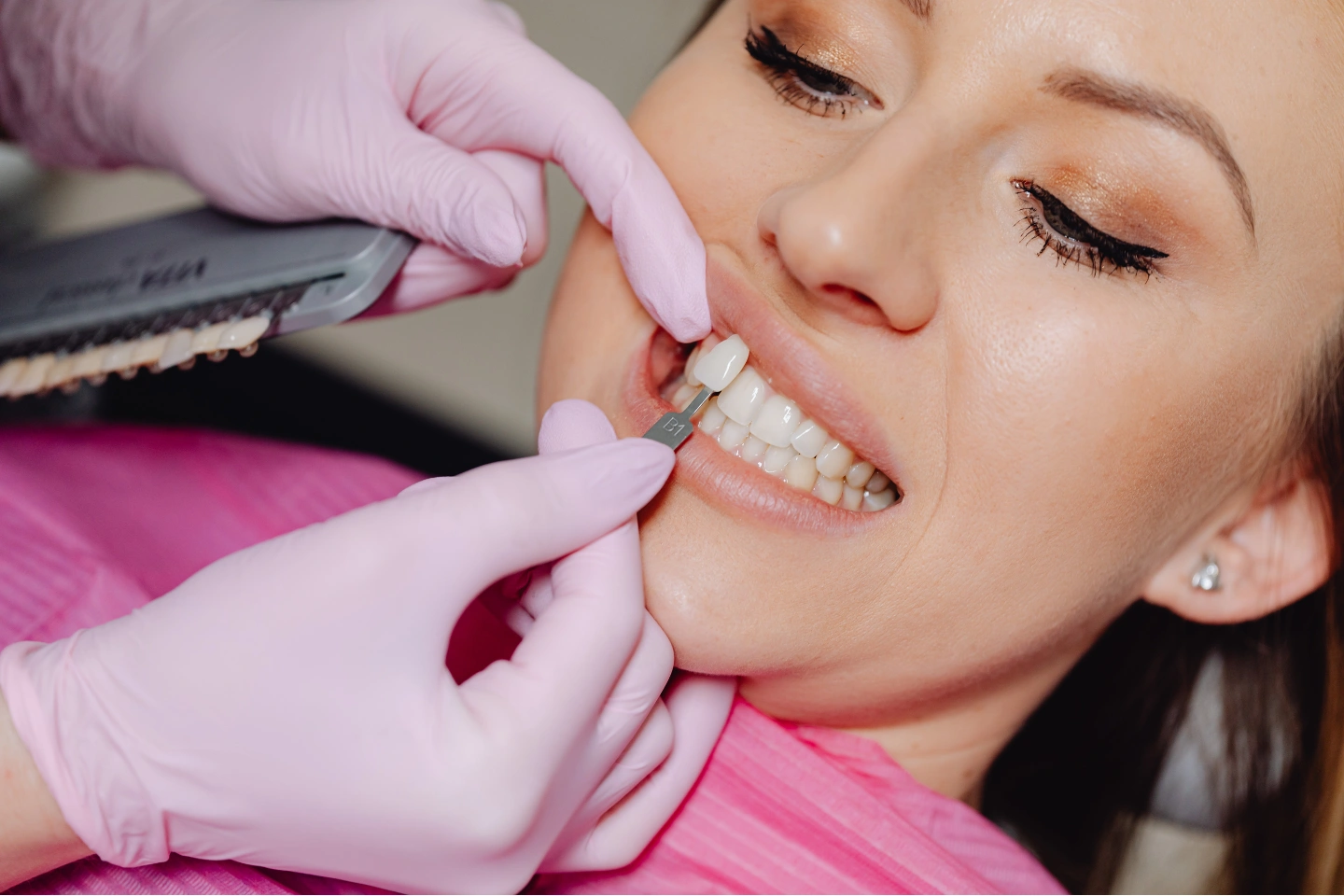
A great smile can change how you feel about yourself. That is why dental veneers have become such a popular choice for people who want to fix chipped, stained, uneven, or slightly misaligned teeth.
But before you decide, one question naturally comes up: how long do dental veneers last?
The answer is not the same for everyone.
However, the good news is that veneers can last for years when properly cared for. Still, many people do not know what to expect, when replacements may be needed, or how to make them last longer. That is where the right information makes a big difference.
This guide will walk you through veneer lifespan, what affects it, and how to make them last longer.
What Are Dental Veneers?
Dental veneers are thin, custom-made covers bonded to the front of your teeth to improve their color, shape, size, and overall appearance. Dentists usually recommend them for cosmetic concerns like stained teeth, chipped teeth, worn edges, small gaps, or uneven teeth.
So, what do they actually do? They help you get a smile that looks cleaner, brighter, and more balanced without changing the entire tooth structure.
Most veneers are made from porcelain or composite resin, and each one is designed to match your natural smile as closely as possible.
How Long Do Dental Veneers Typically Last?
Dental veneers typically last between 4 and 15 years, depending on the type of veneer you choose and how well you care for them.
In most cases, porcelain veneers last around 10 to 15 years, while composite veneers usually last 4 to 8 years.
That’s the direct answer. But as you can probably guess, there’s a little more to it.
The lifespan of veneers is not just about the material. It also depends on your oral hygiene, your eating habits, whether you grind your teeth, and how well the veneers were placed in the first place.
So if you are wondering how long veneers last for real, the better answer is this: they can last for years, but only with proper care.
Porcelain Veneers Last the Longest
If you want the most durable option, porcelain veneers usually last longer than other types. On average, they stay in good shape for 10 to 15 years, and some can last even longer when they are properly maintained.
In fact, a 2021 systematic review found that porcelain laminate veneers had a 10-year cumulative survival rate of 95.5%
But why do porcelain veneers last so long? It comes down to the material.
Porcelain is strong, stain-resistant, and better at handling everyday wear. It also keeps its smooth, natural appearance for longer, which is one reason many people choose it for long-term smile improvement.
So, if your goal is durability and a more polished finish over time, porcelain veneers are usually the better long-term option.
Composite Veneers Do Not Last as Long
Composite veneers usually last between 4 and 8 years. They can still look great, especially when first applied, but they tend to wear down faster than porcelain.
Composite resin is more likely to chip, stain, or lose its finish over time. That does not automatically make it a bad choice. In fact, composite veneers are often more budget-friendly and may require less preparation.
But when people ask which veneers last longer, the answer is usually clear: porcelain veneers outlast composite veneers.
Do Veneers Last Forever?
No, dental veneers do not last forever. This is one of the most important things to understand before getting them.
Veneers are durable, but they are not permanent in the sense of lasting a lifetime without maintenance or replacement. Over the years, normal use, pressure from chewing, accidental damage, or habits like teeth grinding can affect how long they hold up.
At some point, veneers may need to be repaired, replaced, or professionally evaluated. That is completely normal.
Veneers should be seen as a long-term cosmetic treatment, not a forever solution.
What Should You Realistically Expect?
If you take good care of your veneers, they can give you a beautiful smile for many years. But you should still expect that they may need replacement at some stage.
That is why it helps to think beyond just the upfront result. The real value of veneers comes from a mix of appearance, durability, maintenance, and long-term care.
When you understand that from the start, it becomes much easier to decide whether veneers are worth it for you.
Here’s the simplest way to remember it:
- Porcelain veneers: usually 10 to 15 years
- Composite veneers: usually 4 to 8 years
- No-prep or minimal-prep veneers: lifespan varies, but often falls within a similar range depending on material and care
Remember, dental veneers can last for many years, but they are not permanent forever.
If you want the longest-lasting option, porcelain veneers usually last longer than composite veneers. And no matter which type you choose, your daily habits will play a huge role in how long they stay in good condition.
So, how long do dental veneers typically last? Anywhere from 4 to 15 years on average, with proper care making all the difference.
What Affects the Lifespan of Veneers?
The lifespan of dental veneers depends on a few key factors:
- The material used
- Your oral hygiene
- Whether you grind your teeth
- Your eating habits
- Your gum health
- The quality of the dental work.
In general, porcelain veneers last longer than composite veneers, but even the strongest veneers need proper care to hold up well over time.
So, what actually makes veneers last longer or wear out sooner? Let’s break it down in a way that’s easy to understand.
1. The Veneer Material Matters More Than Most People Think
Not all veneers wear the same way. Porcelain veneers are usually more durable, more stain-resistant, and better at maintaining their appearance over time. They handle daily use well, which is why they often last longer.
Composite veneers, on the other hand, are more budget-friendly and can still look great, but they are more prone to chipping, staining, and surface wear. That does not make them a bad choice. It simply means they may need touch-ups or replacement sooner.
So, does material really matter? Absolutely. In many cases, it is one of the biggest factors in long-term performance.
2. Oral Hygiene Plays a Huge Role
Veneers do not prevent every dental problem. The tooth underneath still needs care, and plaque can build up around the edges. Without proper brushing and flossing, decay, gum irritation, or dental bonding issues can still happen.
Good oral hygiene is essential for veneer maintenance. Brushing twice a day, flossing daily, and getting regular cleanings help keep the supporting teeth healthy and can also help veneers last longer.
3. Teeth Grinding Can Shorten Veneer Lifespan Fast
Grinding or clenching your teeth, called bruxism, can make veneers wear out faster. The repeated pressure, especially at night, may cause cracks, chips, or weaker bonding over time.
That’s why many dentists recommend a night guard to help protect veneers and make them last longer.
4. Your Daily Habits Affect Veneer Longevity
Everyday habits can help veneers last or wear them down. Biting ice, chewing pen caps, opening packages with your teeth, and nail biting all put extra stress on them and can lead to damage over time.
Food and drinks matter too. Porcelain veneers resist stains, but they are not completely stain-proof. Composite veneers stain more easily from coffee, tea, red wine, and tobacco.
So, how can you make veneers last longer? It often comes down to the choices you make every day.
5. The Quality of Placement Makes a Big Difference
Veneers last best when they are well planned, precisely fitted, and properly bonded. Poor fit or weak bonding can lead to discomfort, uneven edges, early wear, or lifting.
That is why the dentist’s skill and experience play such an important role in long-term results.
6. Gum Health Supports the Veneers Too
Healthy gums help veneers look natural and last longer. If gum disease or recession develops, the veneer edges can show, the smile may look uneven, and more of the tooth can become exposed.
Even if the veneer stays intact, poor gum health can reduce how long the cosmetic result lasts.
7. Accidents and Pressure Can Damage Veneers
Veneer damage is not always caused by poor hygiene or maintenance. A sports injury, fall, or blow to the mouth can crack or loosen a veneer.
People who play contact sports should consider wearing a mouthguard. Veneers are not fragile, but like natural teeth, they can be damaged by force.
How to Make Dental Veneers Last Longer
If you want your dental veneers to last longer, focus on daily care, smart eating habits, and regular dental visits. Simple habits can protect your veneers from damage and help maintain their appearance for years.
Let’s breakdown:
- Maintain excellent oral hygiene: Brush twice a day and floss every day. Veneers cannot decay, but the natural teeth underneath still can.
- Avoid using your teeth as tools: Do not use your teeth to open packaging, bite nails, or chew on pens. These habits create pressure that can chip or weaken veneers over time.
- Be careful with hard foods: Ice, hard candy, and other very hard foods can crack or damage veneers. To protect them, avoid biting directly into anything too hard.
- Wear a night guard if you grind your teeth: Teeth grinding puts constant force on veneers. If you grind or clench at night, a night guard can help prevent early wear and extend veneer lifespan.
- Visit your dentist regularly: Regular dental checkups help your dentist monitor your veneers, clean around them, and catch small problems early.
Veneers last longer when you clean them well, protect them from pressure, and stay consistent with dental care.
Can Veneers Be Repaired Instead of Replaced?
Yes, sometimes veneers can be repaired, but it depends on the material and the type of damage.
If you have composite veneers, small chips or surface wear can often be fixed without replacing the whole veneer. These repairs are usually quicker and more affordable.
With porcelain veneers, minor issues may be polished in some cases, but cracks, larger chips, or bonding problems usually mean replacement is the better option. Why? Because porcelain is strong, but once it breaks, it does not repair as easily as composite.
The best way to know what you need is to have your dentist examine the damage first. A small flaw may be repairable, but a compromised veneer usually lasts longer when it is fully replaced.
Ready to Make Your Veneers Last Longer?
Dental veneers aren’t permanent but they are long-lasting when you take care of them. Porcelain veneers can give you a decade or more of confident smiles, while composite ones offer a shorter but more budget-friendly option.
So what really makes the difference? Your daily habits. Brush well, avoid putting unnecessary pressure on your teeth, and stay consistent with dental checkups. Small actions go a long way.
If you’re considering veneers or already have them, just remember: treat them like an investment, not a quick fix. They’ll serve you well for years.
Frequently Asked Questions (FAQs)
Can veneers last 20 years?
Yes, porcelain veneers can sometimes last 20 years if you take great care of them. Good oral hygiene, regular dental visits, and avoiding hard habits make a big difference.
Do veneers stain over time?
Porcelain veneers resist stains very well, but composite veneers can discolor faster. If you drink coffee, tea, or smoke often, you may notice changes sooner.
How often do veneers need to be replaced?
It depends on the material and how well you care for them. Porcelain veneers usually need replacement after 10–15 years, while composite ones often last around 4–8 years.
Can you whiten veneers?
No, veneers do not respond to whitening treatments like natural teeth do. If they look darker, you may need professional cleaning or replacement to refresh your smile.
What happens to teeth under veneers?
Your natural teeth stay underneath the veneers, but they still need proper care. That means brushing, flossing, and checkups matter, because veneers do not protect against decay.
Are porcelain veneers better than composite veneers?
If you want better durability and stain resistance, porcelain veneers are usually the stronger option. If you want a lower-cost and faster fix, composite may suit you better.
SCHEDULE YOUR VISIT!
For appointments or inquiries.
*Your Full Name
*Location
*Your Email
*Your phone number
*Message body
I allow this website to store my submission so they can respond to my inquiry.
OUR TWO LOCATIONS
Kendall Miami & South Miami
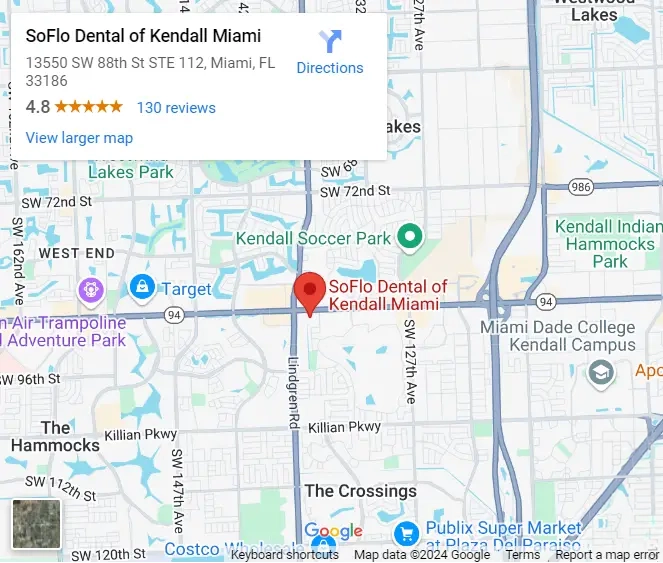
13550 SW. 88th St., Unit #112, Miami, FL 33186
Working Hours
Mon: 11:30 a.m. – 8:00 p.m.
Tue: 9:00 a.m. – 5:00 p.m.
Wed: 11:30 a.m. – 8:00 p.m.
Thu: 9:00 a.m. – 4:30 p.m.
Fri: 9:00 a.m. – 4:30 p.m.
Sat: By Appointment Only
Sun: Closed
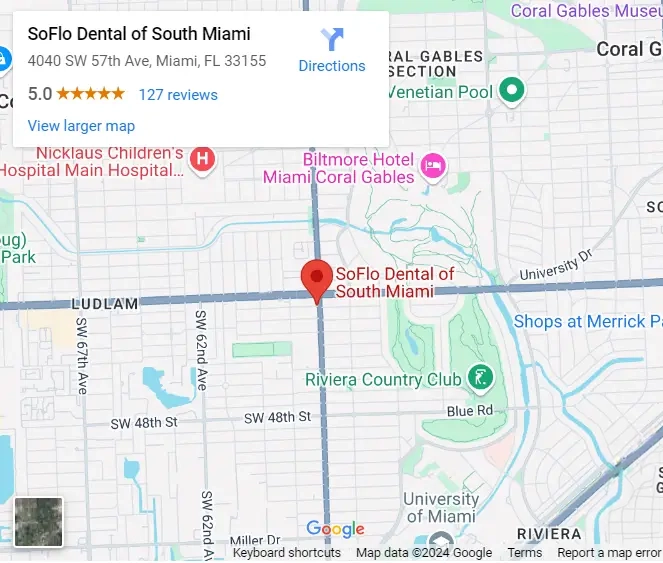
4040 SW 57th Ave, Miami, FL 33155
Working Hours
Mon: 9:00 a.m. – 5:00 p.m.
Tue: 9:00 a.m. – 5:00 p.m.
Wed: 8:30 a.m. – 8:00 p.m.
Thu: 9:00 a.m. – 5:00 p.m.
Fri: 9:00 a.m. – 5:00 p.m.
Sat: By Appointment Only
Sun: Closed

Welcome to SoFlo Dentistry, we provide exceptional dental care tailored to your needs. For appointments or inquiries.


