
How Many Teeth Can a Dentist Extract at Once?
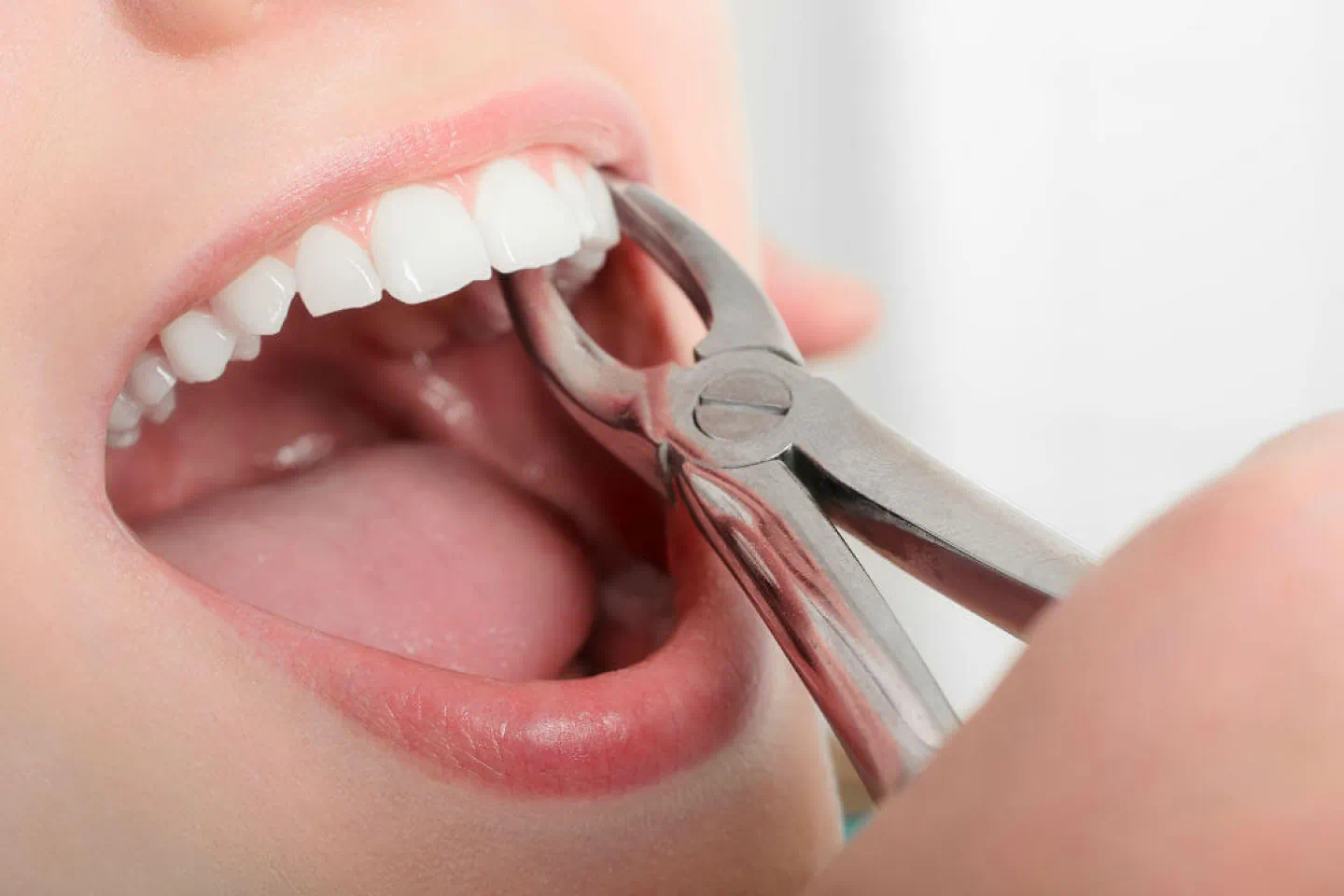
There is no fixed limit on how many teeth a dentist can extract at one visit. The number depends on your health, how difficult each tooth is to remove, the type of anesthesia used and how well you are likely to heal. Some people have a single tooth taken out, while others have several removed in one appointment, or are treated in stages.
According to a patient guide from My Specialty Dentist, removing one to four teeth per visit is common in general practice, and the number is decided case by case rather than by a universal rule. That matches what we see: the right plan is the one that is safe for you, not the one with the biggest number on it.
Below, we explain what affects the decision, when it makes sense to do everything at once and when it does not, and how recovery works when several sites are healing together. If you want the basics of the procedure first, our tooth extractions service explains how it works.
What Decides How Many Teeth Can Be Pulled at Once
The number of teeth removed in one visit is a clinical decision, based on your general health, the condition of the teeth, the anesthesia chosen and your recovery needs. Here is what the dentist weighs up.
Your overall health
Heart conditions, diabetes, a weakened immune system, blood thinners and bone related medications can all affect how much treatment is wise at one time. They influence bleeding, infection risk and healing. This is why we ask for a full medical history before planning, and why we want to know about every medication you take. If you take blood thinners, be sure to tell us before your visit, because it affects how oral surgery is planned.
How difficult the teeth are
A simple extraction, where the tooth is visible and loosens with gentle pressure, takes far less time and causes less trauma than a surgical one. Surgical extractions involve teeth that are broken at the gumline, curved at the root, or impacted below the gum or bone, and they may need an incision in the gum. Several easy teeth in one visit can be quite manageable. Several difficult teeth may be better split up. Our extractions page describes both simple and surgical extractions.
Where the teeth are in your mouth
Teeth in the same area are often treated together, because the area is already numb and the dentist is already working there. Dentists often prefer to work on one side or one section of the mouth at a time, so you can keep chewing on the other side while you heal.
The type of anesthesia
Local anesthesia numbs only the area being treated, and it works well for a limited number of teeth. When more teeth are involved, or a patient is anxious, sedation can make the appointment more comfortable, and may allow more work in a single sitting. Our extractions page says that sedation options may be available for anxious patients, and your dentist will tell you what suits your case.
How long you can comfortably sit
Every extra tooth adds time. A long appointment with your mouth open is tiring, and comfort matters. Sometimes the best reason to divide the treatment is simply that you will cope better with two shorter visits.
Your recovery plans
Each extraction leaves a wound that has to heal. More wounds mean more swelling, more soreness and more care afterward. If you have a big event coming up, or you work in a physically demanding job, that affects how the treatment should be paced.
Why a Dentist Might Remove Several Teeth at Once
Taking out multiple teeth in a single visit is often the better choice. Reasons include:
- Several teeth are decayed, broken or infected beyond repair, and waiting would risk more infection.
- Advanced gum disease has left a group of teeth with too little support to be saved.
- The teeth are in the same area and can be treated under one round of anesthesia.
- You are preparing for dentures or an implant supported bridge, and removing the teeth together makes the plan simpler.
- Crowded teeth need space before orthodontic treatment.
- All four wisdom teeth are causing problems.
For wisdom teeth in particular, many patients have two or all four removed together. If you are in that situation, read our overview of the wisdom teeth removal decision. Since not every wisdom tooth needs to come out, see our wisdom teeth extractions service.
Why a Dentist Might Spread Extractions Over More Than One Visit
Staged treatment is not a sign of anything wrong. It is often just the safer, more comfortable plan. A dentist may recommend it when:
- Your health conditions call for extra caution.
- The teeth are surgically difficult and would make for a long, tiring visit.
- You want to keep eating normally on one side while the other heals.
- You are anxious and prefer to start with fewer teeth.
- There is an active infection that needs to settle before more work is done.
One Visit or Several: A Quick Comparison
- Number of appointments: several teeth in one visit means fewer appointments, while staged treatment means more.
- Anesthesia: one visit may call for sedation, depending on the case, while staged visits often manage with local anesthesia.
- Recovery: one visit means a single longer recovery with more sites healing together, while staged treatment means shorter recoveries, repeated.
- Eating while you heal: one visit means a softer diet across more of the mouth for a while, while staged treatment makes it easier to keep one side for chewing.
- Best for: one visit suits healthy patients with teeth in the same area and simple extractions. Stages suit complex cases, medical conditions and anxious patients.
What Happens During a Multiple Extraction Appointment
The steps are similar to a single extraction, just with more of them. Our extractions page outlines four stages: consultation, anesthesia, removal and cleaning. For several teeth, this looks like:
- Exam and X rays. We look at each tooth, check its roots and the bone around it, and plan the order of removal.
- Anesthesia. The area is numbed, and sedation may be added when appropriate.
- Removal. The teeth are loosened and taken out one by one. Surgical cases may involve a small incision and stitches.
- Cleaning and packing. The sites are cleaned and gauze is placed to control bleeding.
- Aftercare instructions. You leave with written instructions and a way to reach us if anything worries you.
If you are curious about the experience itself, our article on what to expect from a tooth extraction may put your mind at ease.
Recovery After Multiple Extractions
Recovery after several extractions follows the same pattern as after one, but with more areas healing at the same time. Expect some bleeding for the first day, swelling that peaks in the first couple of days, and tenderness that fades over the following week or so. Surgical extractions and larger numbers of teeth can mean a slower recovery.
Some general points that help:
- Bite gently on gauze as instructed to help a clot form, and leave that clot alone.
- Use cold packs on the outside of the face in the first day or so, to ease swelling.
- Stick to soft, cool foods at first, and avoid using straws, which can dislodge the clot.
- Do not smoke, and avoid rinsing hard or spitting for the first day.
- Take any prescribed medicine exactly as directed.
- Keep your head raised when resting.
Pain that gets worse after the first few days, rather than easing, can be a sign of dry socket or infection. Our post on pain after a tooth extraction explains what to do and when to call us.
What About Replacing the Teeth Afterward?
Removing teeth is only one part of the plan. Gaps can allow nearby teeth to drift, change how you chew, and over time the bone in that area can shrink. Depending on how many teeth were removed and where, replacement options may include dental bridges, dentures and dental implants. If you are weighing implants against dentures, our comparison of dental implants and dentures goes through the pros and cons.
It helps to think about replacement before the extractions, not after. Your dentist can plan the timing so you are not left without teeth any longer than necessary.
Can You Have All Your Teeth Removed at Once?
It is possible. A full mouth extraction is sometimes needed when most teeth are beyond saving, usually because of severe decay or advanced gum disease. It is a bigger procedure and more likely to involve sedation or a staged approach. Dentures or implant supported teeth are normally part of the plan, so you are not left without teeth. If you are facing this, ask about the whole treatment path, not only the extraction day.
Need Teeth Removed? Let's Make a Plan
If you have one tooth causing trouble or several that cannot be saved, we will examine them, explain the options in plain language and agree a plan that fits your health and your schedule, including whether to treat them together or in stages. Contact our Kendall or South Miami office to book an appointment, and call us right away if you are in pain.
Frequently Asked Questions on How Many Teeth Can a Dentist Extract at Once
Is there a maximum number of teeth a dentist can pull in one visit?
No. There is no fixed legal or medical limit. The number is decided by your health, the difficulty of the teeth, the anesthesia and what you can comfortably tolerate.
Can you get four teeth pulled at once?
Yes, this is common, particularly with wisdom teeth, or with several teeth in the same area. Whether it is right for you depends on how simple or complex the teeth are.
Is it safe to have multiple teeth extracted at once?
For most healthy adults, yes, when planned properly. People with certain medical conditions may need extra precautions or a staged plan, which is why your history matters.
Will I be put to sleep for multiple extractions?
Not always. Local anesthesia is often enough, and sedation may be offered for anxious patients or for larger treatments. Your dentist will tell you what options suit your case.
How long does it take to recover from multiple extractions?
Most people feel noticeably better after several days, with the gums continuing to heal for a few weeks. It varies with the number of teeth, how complex they were, and how closely you follow aftercare.
What should I eat after multiple extractions?
Soft, cool foods such as yogurt, mashed potatoes, soup that is not too hot, and scrambled eggs. Move to firmer foods gradually as the area becomes more comfortable.
SCHEDULE YOUR VISIT!
For appointments or inquiries.
*Your Full Name
*Location
*Your Email
*Your phone number
*Message body
I allow this website to store my submission so they can respond to my inquiry.
OUR TWO LOCATIONS
Kendall Miami & South Miami

13550 SW. 88th St., Unit #112, Miami, FL 33186
Working Hours
Mon: 11:30 a.m. – 8:00 p.m.
Tue: 9:00 a.m. – 5:00 p.m.
Wed: 11:30 a.m. – 8:00 p.m.
Thu: 9:00 a.m. – 4:30 p.m.
Fri: 9:00 a.m. – 4:30 p.m.
Sat: By Appointment Only
Sun: Closed
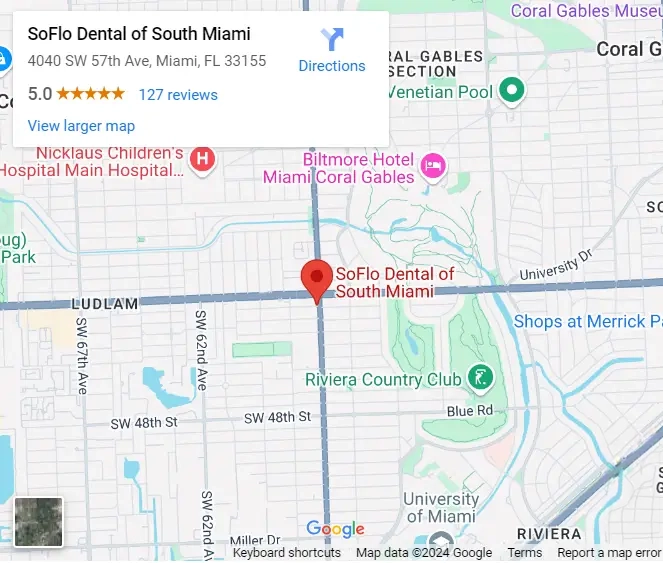
4040 SW 57th Ave, Miami, FL 33155
Working Hours
Mon: 9:00 a.m. – 5:00 p.m.
Tue: 9:00 a.m. – 5:00 p.m.
Wed: 8:30 a.m. – 8:00 p.m.
Thu: 9:00 a.m. – 5:00 p.m.
Fri: 9:00 a.m. – 5:00 p.m.
Sat: By Appointment Only
Sun: Closed

Welcome to SoFlo Dentistry, we provide exceptional dental care tailored to your needs. For appointments or inquiries.


