
The Real Benefits of Regular Dental Cleanings and Checkups

Your teeth may look fine on the surface but are they really healthy?
Every day, plaque and bacteria build up in places your toothbrush simply can’t reach. Over time, this can lead to cavities, gum disease, and even bigger health issues if ignored.
To prevent this, regular dental cleanings and exams play a key role. They don’t just clean your teeth. They catch problems early, prevent pain, and save you from costly treatments later.
Think of it this way: You maintain your car regularly, so why not your smile?
In this guide, you’ll learn why regular dental cleanings and exams matter and how they protect your long-term oral health.
What Happens During a Dental Cleaning and Exam
Let’s keep this simple. When you visit the dentist, two main things happen: cleaning and checking.
Step | What You Experience | Why It Matters |
|---|---|---|
Quick Check First | The dentist looks inside your mouth using a small mirror. | Helps spot early issues like cavities or gum problems before cleaning even starts. |
Plaque & Tartar Removal | You’ll hear light scraping (totally normal). | Removes built-up bacteria (plaque & tartar) you can’t clean at home. |
Deep Cleaning & Polishing | Your teeth are brushed with a special gritty paste. | Makes teeth smooth, clean, and stain-free. |
Professional Flossing | Yes, even if you floss daily. | Reaches tight spots and clears leftover debris. |
Rinse + Fluoride (Optional) | You rinse, then may get fluoride applied. | Strengthens enamel and protects from cavities. |
Full Dental Exam | The dentist checks teeth, gums, tongue, and may take X-rays. | Detects hidden problems early (before they get expensive or painful). |
All these steps work together to give your mouth a complete reset. You get a deep clean plus a professional check to catch problems early.
Benefits of Regular Dental Cleanings
Regular dental cleanings help remove plaque and tartar, prevent cavities, protect gum health, and improve overall oral hygiene.
They also reduce the risk of serious dental problems and keep your smile fresh and healthy.
Let’s break it down in a simple way.
1. They Help Prevent Cavities
Cavities do not appear overnight. They form when plaque builds up on your teeth and slowly damages the enamel.
You already brush and floss. That’s great. But you can’t remove all the plaque at home.
Some of it hardens into tartar. And once that happens, only a dental professional can remove it.
Dental cleanings remove plaque and tartar, which are the main causes of tooth decay. This lowers your risk of cavities and helps keep your teeth strong.
2. They Reduce the Risk of Gum Disease
Do your gums ever bleed when you brush? That could be an early sign of gum problems.
Gum disease starts when bacteria collect around the gumline. At first, it may seem minor. But if ignored, it can become serious.
Regular cleanings remove bacteria buildup that leads to gingivitis and periodontal disease.
This helps your gums stay:
- Firm
- Pink
- Healthy
And most importantly, it helps protect the support system of your teeth.
3. They Improve Bad Breath and Oral Freshness
Bad breath is often caused by bacteria in your mouth. Even if you brush daily, some areas are hard to reach.
Over time, food particles and plaque can create odor.
Dental cleanings remove odor-causing bacteria and buildup, helping you maintain fresh breath.
You will also notice:
- Smoother teeth
- Cleaner feeling in your mouth
- Less surface staining
It’s not just about looks. It’s about feeling confident when you speak.
4. They Help You Save Money on Dental Care
Dental problems don’t stay small. They grow. And the longer you wait, the more complex (and costly) the treatment becomes.
Preventive care is always more affordable than corrective treatment.
For example:
- Early care > simple cleaning or filling
- Delayed care> root canal, dental crown, or extraction
Regular cleanings help catch issues early, saving you time, money, and discomfort.
5. They Support Long-Term Oral Health
Dental cleanings are not just about fixing problems. They are about preventing them.
When your teeth and gums stay clean, your entire mouth benefits.
Consistent dental cleanings support strong teeth, healthy gums, and long-term oral health.
This means:
- Fewer dental emergencies
- Better function when eating
- A healthier smile over time
Importance of Regular Dental Exams
Regular dental exams are important because they help detect problems early, prevent serious damage, and support your overall health. They are a key part of preventive dental care, not just a routine visit.
Let’s break this down in a simple way.
1. Early Detection Saves You from Bigger Problems
Most dental issues do not start with pain. Cavities, infections, or small cracks often develop quietly. You may not notice anything at first.
That is where a dental exam helps. Your dentist checks for early signs of tooth decay, weak fillings, and hidden damage before things get worse.
This matters more than you think. According to global data, oral diseases affect around 3.7 billion people, and untreated tooth decay is the most common health condition worldwide.
So yes, skipping exams can mean missing problems that are already there.
2. It Protects Your Gums, Not Just Your Teeth
When people think of dental exams, they think of cavities. But your gums are just as important.
During an exam, your dentist looks for signs of gingivitis and periodontal disease. These can start small. Maybe a little bleeding while brushing. Maybe slight swelling. Easy to ignore, right?
But if left untreated, it can lead to tooth loss.
In fact, about 4 in 10 adults aged 30 and older have some form of gum disease. That is a huge number.
Regular dental exams help catch gum problems early, when they are still easy to manage.
3. Your Mouth Can Reveal Other Health Issues
Here is something many people do not realize. Your mouth often shows signs of other health conditions.
A dental exam can help spot issues linked to:
- infections
- nutritional deficiencies
- dry mouth or medication side effects
- abnormal tissue changes
Dentists also perform oral cancer screenings during routine exams.
And this is important. The 5-year survival rate for oral cancer is about 68%, but it is much higher when detected early.
That means a simple exam could literally make a life-saving difference.
4. It Helps Track Changes Over Time
Your oral health changes slowly. You might not notice things like:
- enamel wear
- gum recession
- bite changes
- teeth grinding
But your dentist does.
With regular exams, they compare your current condition with past visits. This helps them spot patterns and give advice tailored specifically to you.
Think of it like this: One visit shows a moment. Regular visits show progress.
How Often Should You Get Dental Cleanings and Exams?
Most people should visit the dentist every 6 months. This is the standard schedule for keeping your teeth and gums healthy.
But your ideal schedule may be different.
If you have gum disease, frequent cavities, braces, or heavy plaque buildup, you may need visits every 3–4 months. If your oral health is strong and stable, your dentist might space your visits a bit further apart.
So, what decides your schedule? Well, It depends on your oral health condition, risk level, and past dental history.
Start with twice a year, then adjust based on what your dentist recommends.
This approach helps you:
- Catch problems early
- Avoid costly treatments
- Maintain long-term oral health
Keep it simple: regular dental visits keep your smile healthy, strong, and problem-free.
Consequences of Skipping Regular Visits
Skipping regular dental visits can lead to tooth decay, gum disease, bad breath, higher treatment costs, and even tooth loss. Let’s break down.
- Small Problems Turn Into Big Ones: A tiny cavity today can become a painful infection tomorrow. Without checkups, issues grow silently and get worse.
- Gum Disease Gets Serious: Early gum problems are easy to treat. But if ignored, they can lead to tooth loss and deep infections.
- You Might Lose Teeth: When decay and gum disease go untreated, teeth can’t be saved. That’s when extractions become the only option.
- Bad Breath and Dirty Teeth Stay: No professional cleaning = more bacteria. That leads to bad breath, stains, and buildup.
- Higher Treatment Costs Later: Skipping a simple cleaning can turn into a costly root canal or surgery. Preventive care is always cheaper.
- Hidden Health Risks: Increase Your Mouth Affects Your Whole Body. Untreated dental issues may raise risks for heart and other health problems.
So, when you skip visits, problems don’t disappear. They build up quietly. Regular checkups keep things simple, affordable, and under control.
It’s Time to Book Your Dental Appointment Now
Taking care of your teeth isn’t complicated. You just need to stay consistent. Regular dental cleanings and exams help you catch problems early, avoid pain, and save money in the long run.
Think of these visits as routine maintenance. You brush and floss daily. A professional check keeps everything on track.
So, when was your last appointment? If it’s been a while, now is the right time to book an appointment and keep your smile healthy for the future.
Frequently Asked Questions (FAQs)
1. How do dental cleanings help beyond just cleaning teeth?
Dental cleanings do more than remove stains. They eliminate hidden plaque and tartar that cause decay and gum disease. This also lowers bacteria in your mouth, which can support better overall health.
2. Can you skip dental visits if you brush and floss daily?
No, daily care is important but not enough. Some dental problems develop without pain or visible signs, and only a dentist can detect them early during exams and X-rays.
3. Why do dentists recommend visits every six months?
Most people benefit from visits every six months because it prevents buildup and catches issues early. However, your dentist may adjust this based on your risk for cavities or gum disease.
4. What are the early signs that you need a dental checkup sooner?
Watch for bleeding gums, bad breath, tooth sensitivity, or pain. These signs often indicate early gum disease or decay. Getting checked early helps avoid serious treatments later.
5. Are dental cleanings painful or harmful to teeth?
Dental cleanings are generally safe and not painful. You might feel slight sensitivity afterward, but it fades quickly. The process protects your teeth rather than damaging them when done professionally.
SCHEDULE YOUR VISIT!
For appointments or inquiries.
*Your Full Name
*Location
*Your Email
*Your phone number
*Message body
I allow this website to store my submission so they can respond to my inquiry.
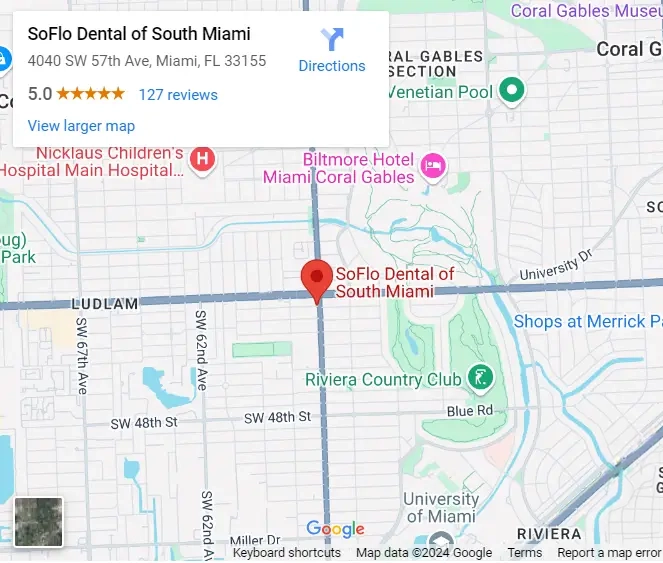
OUR TWO LOCATIONS
Kendall Miami & South Miami
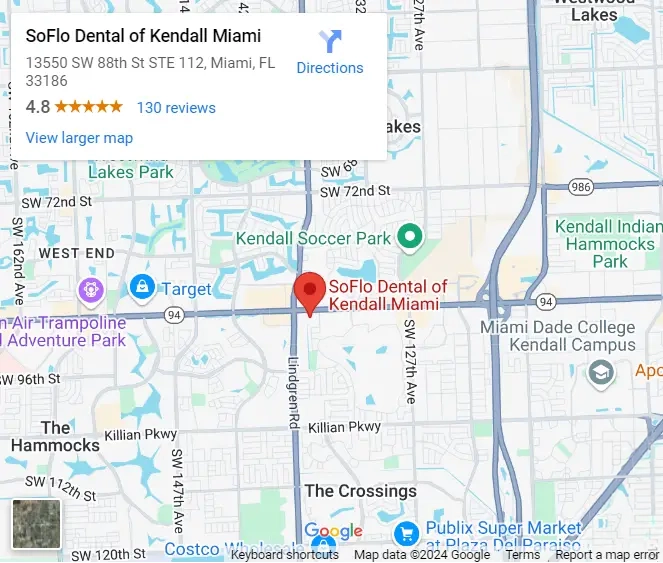
13550 SW. 88th St., Unit #112, Miami, FL 33186
Working Hours
Mon: 11:30 a.m. – 8:00 p.m.
Tue: 9:00 a.m. – 5:00 p.m.
Wed: 11:30 a.m. – 8:00 p.m.
Thu: 9:00 a.m. – 4:30 p.m.
Fri: 9:00 a.m. – 4:30 p.m.
Sat: By Appointment Only
Sun: Closed
4040 SW 57th Ave, Miami, FL 33155
Working Hours
Mon: 9:00 a.m. – 5:00 p.m.
Tue: 9:00 a.m. – 5:00 p.m.
Wed: 8:30 a.m. – 8:00 p.m.
Thu: 9:00 a.m. – 5:00 p.m.
Fri: 9:00 a.m. – 5:00 p.m.
Sat: By Appointment Only
Sun: Closed
Welcome to SoFlo Dentistry, we provide exceptional dental care tailored to your needs. For appointments or inquiries.


