
What Should I Do If My Crown or Filling Falls Out?
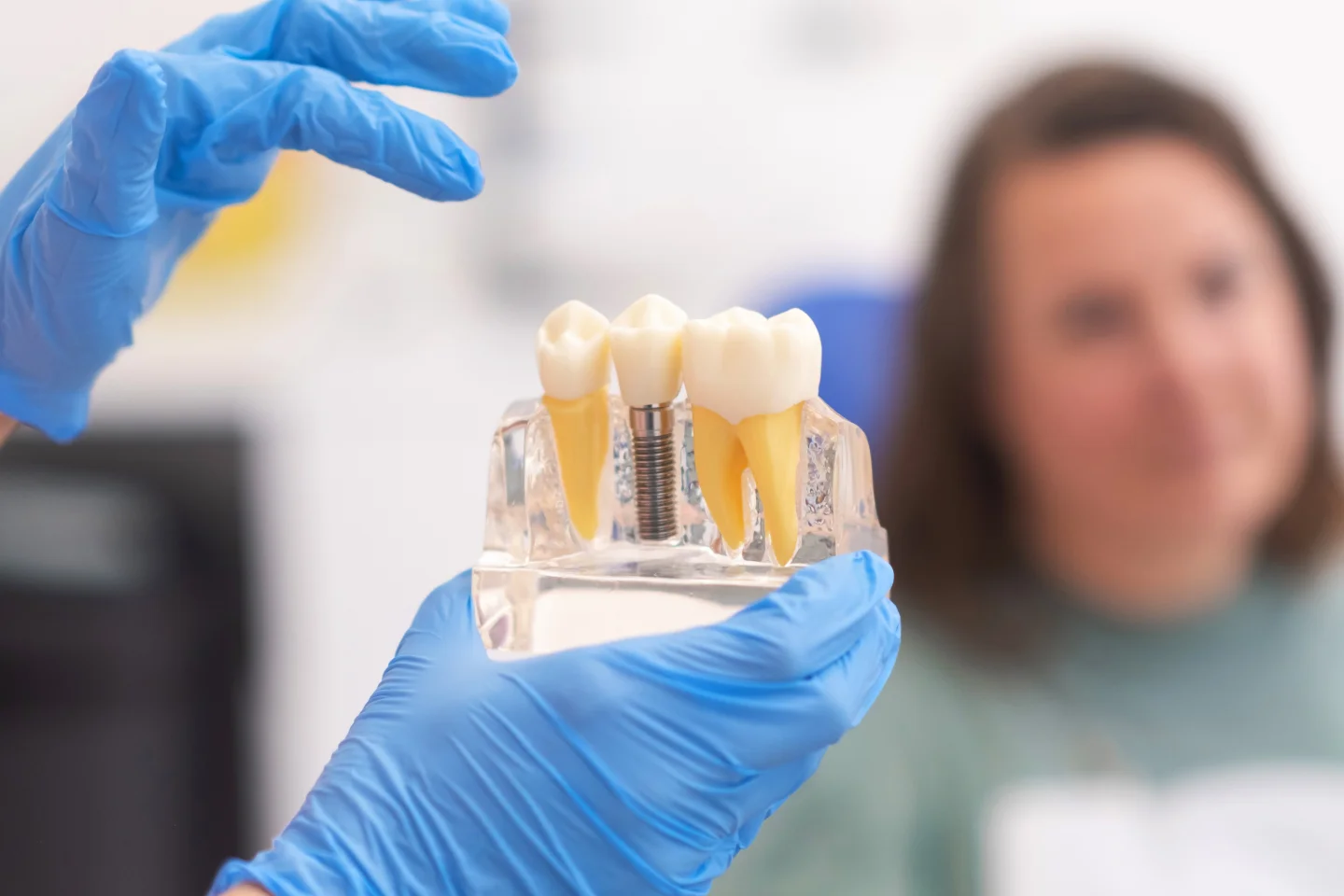
Losing a dental crown or filling can happen unexpectedly. You may notice it while eating, brushing your teeth, or even wake up to find it has come loose overnight. Although it may not always cause immediate pain, a lost restoration leaves your tooth vulnerable to sensitivity, decay, fractures, and infection. Acting quickly can help protect the tooth and prevent more extensive treatment. At SoFlo Dental of Kendall Miami and SoFlo Dental of South Miami, we provide prompt emergency dental care for patients with lost crowns and fillings. Knowing what to do before your appointment can help minimize discomfort and improve the chances of restoring your tooth successfully.
Why Do Crowns and Fillings Fall Out?
Dental restorations are designed to last for many years, but they are not permanent. Everyday wear, changes in the tooth, or accidental trauma can cause them to loosen over time. Common reasons a crown or filling may fall out include:
- Normal wear and tear
- Tooth decay developing beneath the restoration
- Chewing hard or sticky foods
- Teeth grinding or clenching (bruxism)
- Trauma from a fall or sports injury
- Aging dental cement or bonding materials
- A fractured or weakened tooth
Even a well-maintained crown or filling may eventually require replacement.
What Should You Do Immediately?
If your crown or filling falls out, try not to panic. Taking the right steps can help protect the affected tooth until you see your dentist.
Step 1: Locate the Crown or Filling
If possible, find the crown or filling and keep it in a clean container. Your dentist may be able to reuse a crown if it is still intact and fits properly. Fillings are generally replaced with new material rather than reused. Avoid attempting to force the restoration back into place.
Step 2: Rinse Your Mouth
Gently rinse your mouth with warm water to remove any food particles or debris. Keeping the area clean helps reduce irritation while you wait for your dental appointment.
Step 3: Protect the Exposed Tooth
Without its restoration, the tooth may become sensitive to temperature, pressure, and sweet foods. Until you can be seen:
- Avoid chewing on the affected side.
- Eat soft foods whenever possible.
- Brush gently around the exposed tooth.
- Avoid extremely hot or cold foods if they trigger discomfort.
Protecting the tooth reduces the risk of further damage.
Step 4: Save the Crown
If your dental crown has fallen out, bring it with you to your appointment. Your dentist will examine both the crown and the underlying tooth to determine whether the existing crown can be recemented or if a replacement is needed.
Should You Try to Glue the Crown Back Yourself?
No. Household glues, super glue, or other adhesives should never be used inside the mouth. These products are not designed for dental use and can damage both the tooth and the crown. Some pharmacies sell temporary dental cement that may be used only as a short-term measure if recommended by your dentist. However, this is not a substitute for professional treatment.
What Happens If You Leave It Untreated?
Ignoring a lost crown or filling can lead to additional dental problems. Potential complications include:
- Tooth sensitivity
- Cracked or broken teeth
- Progressive tooth decay
- Infection of the dental pulp
- Gum irritation
- Difficulty chewing
- Changes in your bite
The longer the tooth remains unprotected, the greater the likelihood that more extensive treatment will be required.
When Is It a Dental Emergency?
While not every lost filling or crown requires immediate emergency care, certain situations should be addressed as soon as possible. Contact your dentist promptly if you experience:
- Severe tooth pain
- Significant sensitivity that does not improve
- A broken or cracked tooth
- Bleeding around the affected tooth
- Swelling of the gums or face
- Difficulty biting or chewing
- A crown that was supporting a dental bridge
Prompt evaluation helps prevent complications and preserve the tooth whenever possible.
How Dentists Replace a Lost Filling
During your appointment, your dentist will examine the tooth to determine why the filling came loose. Treatment may include:
- Removing any remaining decay
- Cleaning the cavity
- Placing a new tooth-colored composite filling
- Recommending a crown if the tooth has become too weak for another filling
Modern composite fillings restore both function and appearance while blending naturally with your smile.
How Dentists Treat a Lost Crown
If the crown is undamaged and the tooth underneath remains healthy, your dentist may simply clean the area and recement the existing crown. However, if:
- The crown is cracked
- The crown no longer fits properly
- Decay has developed beneath the crown
- The underlying tooth has fractured
a new custom dental crown may be recommended.
Can a Lost Crown or Filling Cause Infection?
Yes. Crowns and fillings seal and protect the inner layers of the tooth. Once they are lost, bacteria can enter the exposed area, increasing the risk of:
- Tooth decay
- Pulp inflammation
- Dental abscesses
- Root canal treatment
Seeking prompt dental care significantly reduces these risks.
How Long Do Crowns and Fillings Usually Last?
The lifespan of a dental restoration depends on several factors, including the material used, oral hygiene habits, and everyday wear. On average:
- Composite fillings often last 7 to 10 years.
- Amalgam fillings may last 10 to 15 years or longer.
- Dental crowns commonly last 10 to 15 years, with many lasting even longer when properly cared for.
Regular dental examinations help identify worn restorations before they fail.
How to Prevent Crowns and Fillings From Falling Out
Although restorations naturally wear over time, you can help extend their lifespan by:
- Brushing twice daily with fluoride toothpaste.
- Flossing every day.
- Avoiding chewing ice and hard candies.
- Limiting sticky foods such as caramel.
- Wearing a nightguard if you grind your teeth.
- Attending routine dental checkups.
- Replacing worn restorations before they fail.
Good oral hygiene and preventive care play a major role in protecting your dental work.
Prompt Care Can Save Your Tooth
A lost crown or filling may seem like a minor inconvenience, but it should never be ignored. Without its protective restoration, the affected tooth becomes vulnerable to damage, decay, and infection. The sooner you seek professional care, the more likely your dentist can restore the tooth with minimal treatment. At SoFlo Dental of Kendall Miami and SoFlo Dental of South Miami, we provide timely evaluations and emergency treatment for lost crowns, fillings, and other dental emergencies. Whether your restoration has fallen out unexpectedly or your tooth has become painful, our experienced team is here to help restore your comfort and protect your smile.
Lost a Crown or Filling? We're Here to Help.
If your dental crown or filling has fallen out, don't delay treatment. Contact SoFlo Dental of Kendall Miami or SoFlo Dental of South Miami for prompt care. Our experienced team will assess the affected tooth, restore your dental work whenever possible, and help protect your oral health with personalized treatment.
Frequently Asked Questions
Q: Is a lost crown or filling always a dental emergency?
A: Not always, but it should be treated as soon as possible. Even if you are not experiencing pain, the exposed tooth is more vulnerable to damage and decay. Contact your dentist promptly to schedule an appointment.
Q: Can I eat if my crown or filling falls out?
A: Yes, but choose soft foods and avoid chewing on the affected side of your mouth. Hard, crunchy, or sticky foods can further damage the exposed tooth or cause discomfort.
Q: Can my dentist reuse my dental crown?
A: In many cases, yes. If the crown is undamaged and still fits properly, your dentist may be able to clean and recement it. If it is cracked, worn, or no longer fits securely, a new crown may be necessary.
Q: Why is my tooth sensitive after losing a filling?
A: A filling protects the inner layers of the tooth. Once it falls out, the exposed dentin becomes more sensitive to temperature changes, pressure, and certain foods until the tooth is restored.
Q: What should I avoid until I see my dentist?
A: Avoid chewing on the affected side, eating hard or sticky foods, and using household glue to reattach the crown. Keep the area clean, save the crown if possible, and arrange a dental appointment as soon as you can.
SCHEDULE YOUR VISIT!
For appointments or inquiries.
*Your Full Name
*Location
*Your Email
*Your phone number
*Message body
I allow this website to store my submission so they can respond to my inquiry.
OUR TWO LOCATIONS
Kendall Miami & South Miami
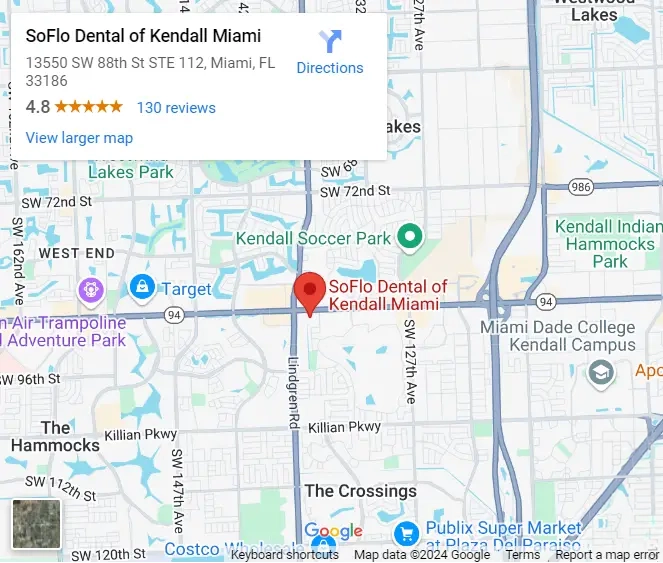
13550 SW. 88th St., Unit #112, Miami, FL 33186
Working Hours
Mon: 11:30 a.m. – 8:00 p.m.
Tue: 9:00 a.m. – 5:00 p.m.
Wed: 11:30 a.m. – 8:00 p.m.
Thu: 9:00 a.m. – 4:30 p.m.
Fri: 9:00 a.m. – 4:30 p.m.
Sat: By Appointment Only
Sun: Closed
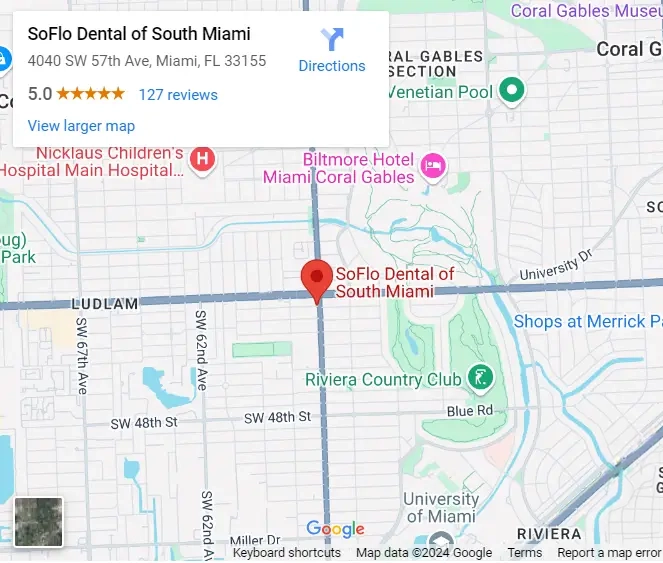
4040 SW 57th Ave, Miami, FL 33155
Working Hours
Mon: 9:00 a.m. – 5:00 p.m.
Tue: 9:00 a.m. – 5:00 p.m.
Wed: 8:30 a.m. – 8:00 p.m.
Thu: 9:00 a.m. – 5:00 p.m.
Fri: 9:00 a.m. – 5:00 p.m.
Sat: By Appointment Only
Sun: Closed

Welcome to SoFlo Dentistry, we provide exceptional dental care tailored to your needs. For appointments or inquiries.


