
Porcelain Veneers vs. Lumineers: What's the Real Difference?
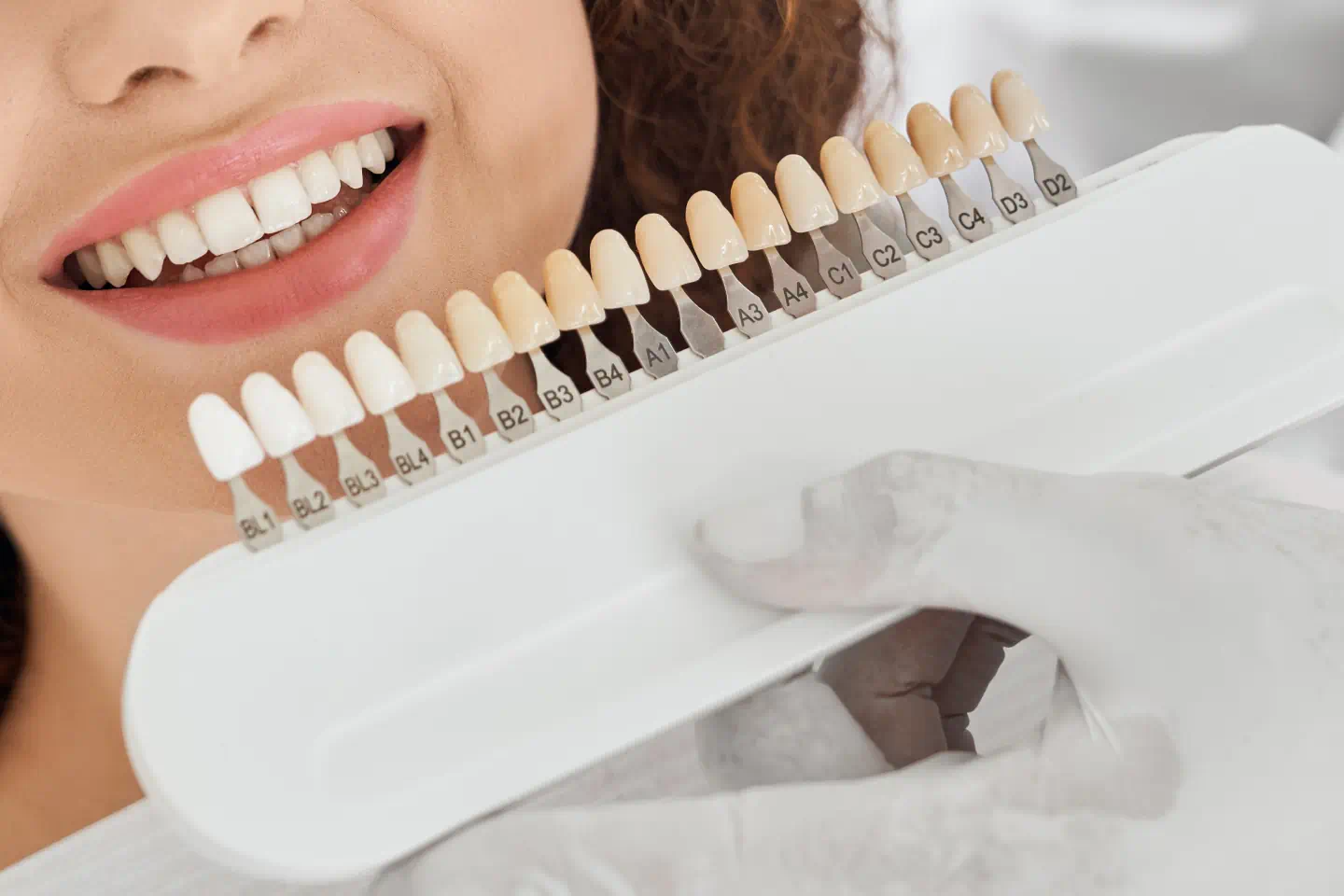
If you are unhappy with the appearance of your teeth, cosmetic dentistry offers several ways to improve the look of your smile. Porcelain veneers and Lumineers are two options that are often discussed together because both can be used to improve the appearance of teeth.
Although they may look similar, there are differences in their materials, thickness, tooth preparation, and how they are placed. Understanding these differences can help you have a more informed conversation with your dentist about which option may suit your teeth and cosmetic goals.
What Are Porcelain Veneers?
Porcelain veneers are thin, custom-made shells that are bonded to the front surfaces of teeth. They are designed to improve the appearance of teeth affected by concerns such as discoloration, minor chips, irregular shapes, or certain gaps.
Porcelain veneers may be considered for:
- Discolored teeth
- Minor chips or wear
- Uneven tooth shapes
- Small gaps between certain teeth
- Certain cosmetic alignment concerns
- Teeth with multiple cosmetic imperfections
Before veneers are placed, your dentist will evaluate the condition of your teeth and gums and discuss your desired outcome.
You can learn more about available veneers and cosmetic dental treatments during a consultation.
What Are Lumineers?
Lumineers are a branded type of ultra-thin dental veneer. They are designed to be very thin and may require little or no removal of natural tooth structure in suitable cases.
Like traditional veneers, Lumineers are intended to improve the appearance of teeth. However, whether they are appropriate depends on factors such as your tooth position, color, shape, bite, and overall dental health.
Although Lumineers may involve minimal tooth preparation in some cases, that does not mean they are automatically suitable for every patient.
A dental examination is important before deciding whether Lumineers or another cosmetic treatment is appropriate.
What Is the Main Difference Between Porcelain Veneers and Lumineers?
The main difference is generally related to the thickness of the material and the amount of tooth preparation that may be required.
Traditional porcelain veneers usually involve some preparation of the natural tooth surface before the veneer is bonded into position. The amount of preparation varies depending on the individual tooth and the treatment plan.
Lumineers are designed to be thinner and may require little or no tooth preparation in appropriate cases.
Other differences may include:
- Material thickness
- Amount of tooth preparation
- Treatment approach
- Ability to alter tooth color or shape
- Suitability for particular bite conditions
- Individual cosmetic goals
Your dentist can assess your teeth and explain which approach may be appropriate.
Do Porcelain Veneers Require Tooth Preparation?
Traditional porcelain veneers generally require some preparation of the tooth surface. This allows space for the veneer and helps create an appropriate fit and appearance.
The amount of preparation depends on factors such as
- Existing tooth shape
- Tooth position
- Desired cosmetic changes
- Veneer thickness
- Bite relationship
- Amount of enamel available
Your dentist should explain the planned preparation before treatment begins.
Because veneer treatment involves altering the natural tooth in many cases, it is important to understand the procedure and discuss alternatives before making a decision.
Do Lumineers Require Tooth Shaving?
One of the features associated with Lumineers is that they may require little or no removal of natural tooth structure in selected cases.
However, this does not mean that every patient is automatically a candidate for a no-preparation approach.
The final treatment depends on factors including:
- Tooth position
- Tooth shape
- Existing restorations
- Bite
- Desired changes
- Amount of available space
- Overall dental health
Your dentist can determine whether minimal-preparation treatment is appropriate for your particular situation.
Are Porcelain Veneers Strong?
Porcelain veneers are designed to function as cosmetic restorations when properly planned and maintained. However, they are not indestructible.
Certain habits can increase the risk of damage, including:
- Biting hard objects
- Chewing ice
- Using teeth as tools
- Nail biting
- Teeth grinding or clenching
If you grind or clench your teeth, discuss this with your dentist before undergoing cosmetic treatment. Your dentist may recommend measures to help protect your teeth and restorations.
If you already have damaged or worn teeth, restorative dentistry may need to be considered before cosmetic treatment.
Are Lumineers More Durable Than Porcelain Veneers?
It is not accurate to assume that Lumineers are automatically more durable simply because they are thinner or require less tooth preparation.
The performance of any veneer can depend on several factors, including:
- The material used
- Tooth preparation
- Bite forces
- Oral hygiene
- Teeth grinding
- Placement technique
- Care and maintenance
- The condition of the underlying tooth
Your dentist can explain the expected benefits and limitations of the specific treatment being recommended.
Which Looks More Natural: Porcelain Veneers or Lumineers?
Both porcelain veneers and Lumineers are designed to improve the appearance of teeth. The final appearance depends on factors such as the material, shade, shape, thickness, tooth position, and how the restoration is designed.
A natural-looking cosmetic result requires more than simply selecting a particular type of veneer.
Your dentist may consider:
- Tooth proportions
- Facial features
- Smile line
- Tooth color
- Tooth shape
- Existing teeth
- Bite
- Your cosmetic preferences
A personalised treatment plan can help ensure that the proposed restorations are appropriate for your smile.
Can Veneers Fix Discolored Teeth?
Yes, veneers may be considered for certain types of tooth discoloration, particularly when the desired shade cannot be achieved through conventional whitening.
However, veneers are not necessarily the first treatment for every type of staining.
Depending on the cause and severity of the discoloration, your dentist may discuss options such as
- Professional teeth whitening
- Cosmetic bonding
- Porcelain veneers
- Other restorative treatments
If you are interested in improving tooth color, you can also discuss professional teeth whitening with your dental team.
Can Porcelain Veneers or Lumineers Fix Crooked Teeth?
Veneers can sometimes improve the appearance of mildly irregular or uneven teeth. However, they do not physically move teeth into a new position in the same way orthodontic treatment does.
For patients with more significant alignment concerns, orthodontic treatment may be more appropriate.
Depending on your needs, your dentist may discuss cosmetic treatment, clear aligners, or other options.
If you are interested in discreet orthodontic treatment, Invisalign treatment may be an option to discuss.
Can Veneers Close Gaps Between Teeth?
In certain cases, veneers can be used to alter the shape and appearance of teeth and reduce the visible size of small gaps.
However, not every gap should be treated with veneers.
The cause and size of the gap, the condition of the surrounding teeth, and your bite all need to be considered.
Depending on the situation, your dentist may discuss:
- Cosmetic bonding
- Veneers
- Orthodontic treatment
- Other restorative options
A dental examination can help determine which approach may be appropriate.
What Are the Benefits of Porcelain Veneers?
Depending on the patient's situation, porcelain veneers may offer several cosmetic benefits.
They may help improve:
- Tooth color
- Tooth shape
- Minor chips
- Certain gaps
- The appearance of worn teeth
- Overall smile symmetry
However, veneers are not suitable for every patient. Healthy teeth and gums provide an important foundation for cosmetic dental treatment.
What Are the Benefits of Lumineers?
Lumineers may appeal to patients who are interested in a thinner veneer option and potentially less tooth preparation.
Potential advantages may include:
- Thin veneer design
- Minimal preparation in suitable cases
- Cosmetic improvement
- Ability to address certain changes in tooth shape and color
However, minimal preparation does not automatically make Lumineers the right choice.
The treatment needs to be evaluated based on the individual patient's teeth, bite, and cosmetic goals.
What Are the Disadvantages of Porcelain Veneers?
Although veneers can provide cosmetic improvements, they also have limitations.
Potential considerations include the following:
- Tooth preparation may be required
- Treatment is generally considered irreversible when natural tooth structure is removed
- Veneers can chip or fracture
- They may require replacement in the future
- The underlying tooth can still develop dental problems
- They require good oral hygiene and regular dental care
Your dentist should explain these considerations before treatment.
What Are the Disadvantages of Lumineers?
Lumineers are not suitable for every cosmetic situation.
Potential limitations can include:
- They may not be appropriate for significantly misaligned teeth
- They may not provide enough coverage for certain severe discoloration.
- Tooth thickness and shape can affect the final appearance
- Bite forces may affect suitability
- They are not a solution for untreated dental disease
A thinner veneer does not necessarily mean it will provide the desired result for every patient.
Porcelain Veneers vs. Lumineers: Which Should You Choose?
There is no single veneer option that is appropriate for every patient. Your dentist will consider your teeth, bite, oral health, and cosmetic goals before recommending a treatment.
Porcelain veneers are custom-made porcelain restorations that may be used to address several cosmetic concerns, including tooth discoloration, chips, uneven tooth shapes, and certain gaps. Traditional porcelain veneers may require some preparation of the natural tooth surface.
Lumineers are ultra-thin branded veneers that may require little or no tooth preparation in selected cases. They can address certain cosmetic concerns, but their suitability depends on factors such as tooth position, color, shape, and bite.
When comparing the two options, your dentist may consider:
- Tooth preparation: Traditional porcelain veneers may require preparation, while Lumineers may require little or no preparation in suitable cases.
- Cosmetic goals: Both can improve the appearance of teeth, but the appropriate option depends on the changes you want to achieve.
- Tooth condition: Existing decay, damage, restorations, or gum problems may affect which treatment is appropriate.
- Bite: Your bite and the forces placed on your teeth can influence veneer suitability.
- Treatment planning: Both options require an individual assessment to determine whether they are appropriate for you.
- Reversibility: When natural tooth structure is removed for traditional veneers, that portion of the treatment cannot be reversed. A more conservative approach may be possible with Lumineers in selected cases.
The right option depends on your individual teeth, oral health, bite, and desired cosmetic result. A consultation with your dentist can help you understand the benefits, limitations, and alternatives before choosing a treatment.
Do Veneers Require Special Care?
Veneers and other cosmetic restorations require the same basic commitment to oral hygiene as natural teeth.
You should continue to:
- Brush twice daily
- Floss every day
- Attend regular dental examinations
- Have professional cleanings as recommended
- Avoid chewing extremely hard objects
- Avoid using your teeth as tools
- Discuss teeth grinding with your dentist
Although veneers cover the visible surface of the tooth, the underlying tooth and surrounding gums still require proper care.
Regular preventive dental care can help monitor both your natural teeth and cosmetic restorations.
What Should You Ask Before Getting Veneers?
Before deciding on porcelain veneers or Lumineers, ask your dentist:
- Which option is appropriate for my teeth?
- How much tooth preparation will be required?
- Can my existing tooth color be changed with whitening instead?
- Do I have any cavities or gum problems that need treatment first?
- How will the final shade and shape be selected?
- Are there alternatives to veneers?
- What maintenance will be required?
- What are the potential risks?
- What happens if a veneer becomes damaged?
- What is the estimated cost of treatment?
Understanding the answers can help you make an informed decision about your cosmetic dental treatment.
Cosmetic Dentistry at SoFlo Dental
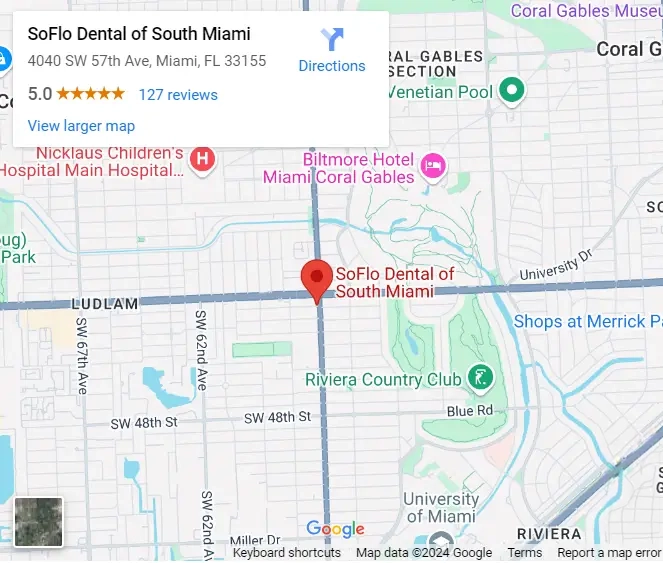
At SoFlo Dental of Kendall Miami and SoFlo Dental of South Miami, we provide cosmetic dental services for patients who want to improve the appearance of their smiles.
Our team can assess your teeth, gums, bite, and cosmetic concerns before recommending a treatment approach. Depending on your needs, options may include veneers, cosmetic bonding, teeth whitening, Invisalign, or other dental treatments.
Considering Porcelain Veneers or Lumineers?
Porcelain veneers and Lumineers can both be used to improve the appearance of teeth, but they are not identical treatments. The differences in preparation, thickness, suitability, and treatment approach make an individual dental evaluation important.
If you are considering veneers, contact SoFlo Dental to schedule a consultation and discuss which cosmetic treatment may be appropriate for your smile.
Frequently Asked Questions on Porcelain Veneers vs. Lumineers
Q: What is the main difference between porcelain veneers and Lumineers?
The main differences relate to thickness, preparation, and treatment approach. Traditional porcelain veneers generally require some preparation of the tooth, while Lumineers are designed to be thinner and may require little or no preparation in suitable cases.
Q: Are Lumineers better than porcelain veneers?
Neither option is automatically suitable for every patient. The appropriate choice depends on factors such as tooth position, color, shape, bite, oral health, and the cosmetic result you want to achieve.
Q: Are Lumineers reversible?
Lumineers may involve little or no tooth preparation in selected cases, which can make the treatment more conservative. However, whether treatment is reversible depends on the individual case and any preparation that is performed.
Q: Do porcelain veneers damage your teeth?
Porcelain veneers require careful treatment planning, and traditional veneers may involve removal of some natural tooth structure. Once tooth structure has been removed, that aspect of the treatment cannot be reversed. Your dentist should explain the amount of preparation and alternatives before treatment.
Q: Can veneers fix yellow or stained teeth?
Veneers can sometimes improve the appearance of discolored teeth. However, professional teeth whitening may be an option when the staining can be addressed through whitening. Your dentist can assess the cause and severity of the discoloration before recommending treatment.
SCHEDULE YOUR VISIT!
For appointments or inquiries.
*Your Full Name
*Location
*Your Email
*Your phone number
*Message body
I allow this website to store my submission so they can respond to my inquiry.
OUR TWO LOCATIONS
Kendall Miami & South Miami
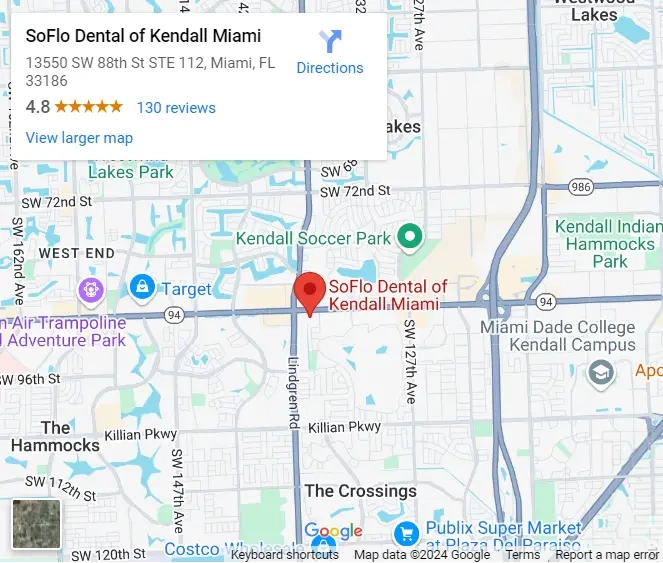
13550 SW. 88th St., Unit #112, Miami, FL 33186
Working Hours
Mon: 11:30 a.m. – 8:00 p.m.
Tue: 9:00 a.m. – 5:00 p.m.
Wed: 11:30 a.m. – 8:00 p.m.
Thu: 9:00 a.m. – 4:30 p.m.
Fri: 9:00 a.m. – 4:30 p.m.
Sat: By Appointment Only
Sun: Closed
4040 SW 57th Ave, Miami, FL 33155
Working Hours
Mon: 9:00 a.m. – 5:00 p.m.
Tue: 9:00 a.m. – 5:00 p.m.
Wed: 8:30 a.m. – 8:00 p.m.
Thu: 9:00 a.m. – 5:00 p.m.
Fri: 9:00 a.m. – 5:00 p.m.
Sat: By Appointment Only
Sun: Closed

Welcome to SoFlo Dentistry, we provide exceptional dental care tailored to your needs. For appointments or inquiries.


