
Tooth Sensitivity in Singapore: Causes, Science & Treatment Guide

If you’ve ever felt a sharp, sudden pain while sipping cold water or eating something sweet, you’re not alone. Tooth Sensitivity in Singapore is one of the most common dental concerns patients face today.
From working closely with dental patients over time, I’ve consistently seen one pattern: people tend to ignore early signs of sensitivity until it starts affecting their daily comfort. The good news is that once you understand the science behind tooth sensitivity, it becomes much easier to manage, and in many cases, prevent it from worsening.
What is Tooth Sensitivity?
Tooth sensitivity is a condition where teeth react with discomfort or pain to hot, cold, sweet, or acidic stimuli.
This happens when the protective enamel or gum layer is compromised, exposing dentin, a porous layer that connects directly to the tooth’s nerves. In many cases, underlying issues related to oral health and hygiene can be identified during routine dental cleanings and exams.
The Science Behind Tooth Sensitivity
To understand this clearly, think of your tooth as a layered system:
- Enamel – the hard outer shield
- Dentin – a softer layer with microscopic channels
- Pulp – the inner nerve center
When enamel wears down or gums recede, dentin becomes exposed. These tiny channels (called tubules) act like pathways that transmit sensations directly to the nerves.
Hydrodynamic Theory (The Core Science)
According to established dental research and organizations like the American Dental Association, the hydrodynamic theory explains tooth sensitivity:
- External triggers (cold, heat, sugar) cause fluid movement inside dentinal tubules
- This movement stimulates nerve endings
- Result: a sudden, sharp pain
Common Tooth Sensitivity Causes
Understanding the causes of tooth sensitivity helps you treat the problem at its root.
1. Enamel Erosion
Frequent intake of acidic foods and beverages slowly wears away enamel.
2. Gum Recession
Receding gums expose root surfaces, which lack enamel protection. This is often linked to early stages discussed in gum disease warning signs and prevention.
3. Aggressive Brushing
Using hard pressure or stiff bristles damages both enamel and gums.
4. Tooth Decay or Cracks
Cavities and fractures directly expose dentin. Learn more about this in cavities explained.
5. Teeth Grinding (Bruxism)
Grinding gradually weakens enamel over time.
6. Whitening Products
Certain treatments can temporarily increase sensitivity to tooth pain, especially after procedures like professional teeth whitening.
Signs You Might Have Sensitive Teeth
- Sharp pain with hot or cold foods
- Discomfort when eating sweets or acidic items
- Sensitivity while brushing or flossing
- Pain focused on a specific tooth
If pain is localized, it could indicate deeper issues explained in when tooth pain signals hidden infection.
Tooth Sensitivity Treatment Options
Effective treatment for tooth sensitivity depends on identifying the underlying cause.
1. Desensitizing Toothpaste
Blocks nerve signals and reduces pain over time.
2. Fluoride Treatments
Strengthen enamel and reduce sensitivity. These are often part of preventive care under general dentistry services.
3. Dental Bonding
Covers exposed dentin and protects nerves. Learn more about dental bonding.
4. Remineralization Therapies
Helpful for enamel erosion-sensitive teeth treatment.
5. Gum Grafting
Recommended in cases of severe gum recession.
6. Night Guards
Prevent damage from grinding.
At-Home Remedies That Actually Work
Many patients see noticeable improvement by making small daily changes:
- Use a soft-bristled toothbrush
- Brush gently in circular motions
- Limit acidic foods and drinks
- Use fluoride mouthwash
- Wait before brushing after acidic meals
In clinical practice, I’ve seen that simply correcting brushing habits and switching to the right toothpaste often leads to significant relief. Maintaining consistency between home care and routine dental cleanings is key.
When Should You See a Dentist?
Seek professional care if:
- Sensitivity lasts more than a few days
- Pain becomes more intense
- It affects a single tooth
- You feel discomfort while biting
These could indicate deeper issues, such as decay or structural damage, sometimes requiring treatments like root canal treatment or even tooth pain relief and extractions
Preventing Tooth Sensitivity Long-Term
- Maintain proper oral hygiene
- Visit your dentist regularly
- Use fluoride-based products
- Avoid overusing whitening treatments
- Address grinding early
Final Thoughts
Tooth Sensitivity in Singapore is common, but it’s also highly manageable. When you understand the science behind it, you can take simple, effective steps to protect your teeth.
In my experience working with patients, those who address sensitivity early tend to avoid more complex dental issues later. Sensitivity is often the first warning sign; pay attention to it.
FAQs
What causes tooth sensitivity suddenly?
Sudden sensitivity can result from enamel erosion, gum recession, a cracked tooth, or recent dental procedures.
How do you permanently treat tooth sensitivity?
Permanent relief depends on the cause and may include fluoride treatments, bonding, or gum procedures.
Is tooth sensitivity a sign of a cavity?
It can be. Persistent, localized sensitivity may indicate tooth decay or damage.
Can sensitive teeth heal on their own?
Mild sensitivity may improve, but enamel loss cannot naturally regenerate.
Which toothpaste is best for sensitive teeth?
Toothpaste with potassium nitrate or stannous fluoride is most effective.
Why are my teeth sensitive to cold but not hot?
Cold sensitivity usually points to exposed dentin, while heat sensitivity may involve deeper nerve issues.
Is tooth sensitivity common in Singapore?
Yes, due to dietary habits and lifestyle factors, it’s a frequent concern among patients.
Can enamel grow back once lost?
No, but remineralization treatments can strengthen and protect remaining enamel.
SCHEDULE YOUR VISIT!
For appointments or inquiries.
*Your Full Name
*Location
*Your Email
*Your phone number
*Message body
I allow this website to store my submission so they can respond to my inquiry.
OUR TWO LOCATIONS
Kendall Miami & South Miami
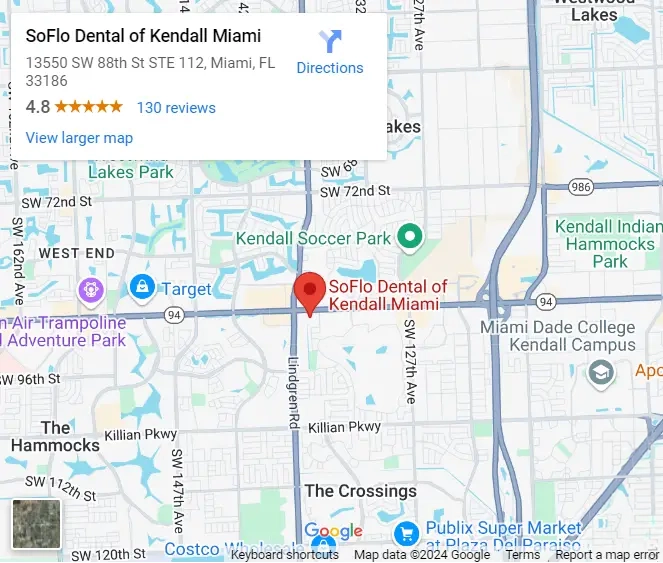
13550 SW. 88th St., Unit #112, Miami, FL 33186
Working Hours
Mon: 11:30 a.m. – 8:00 p.m.
Tue: 9:00 a.m. – 5:00 p.m.
Wed: 11:30 a.m. – 8:00 p.m.
Thu: 9:00 a.m. – 4:30 p.m.
Fri: 9:00 a.m. – 4:30 p.m.
Sat: By Appointment Only
Sun: Closed
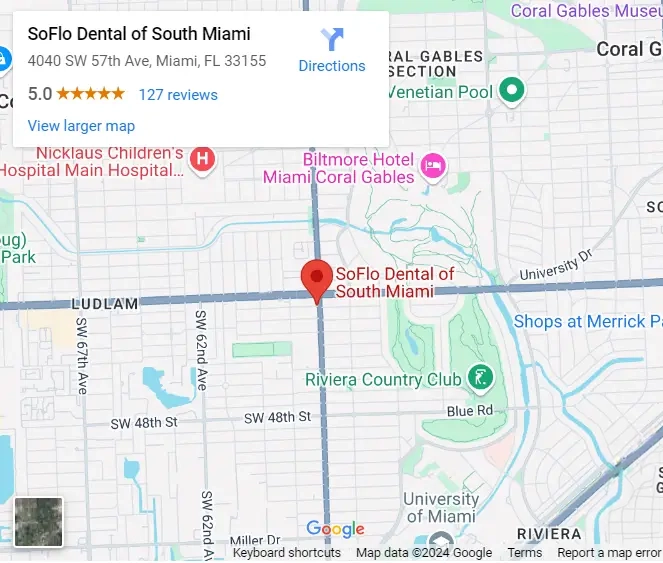
4040 SW 57th Ave, Miami, FL 33155
Working Hours
Mon: 9:00 a.m. – 5:00 p.m.
Tue: 9:00 a.m. – 5:00 p.m.
Wed: 8:30 a.m. – 8:00 p.m.
Thu: 9:00 a.m. – 5:00 p.m.
Fri: 9:00 a.m. – 5:00 p.m.
Sat: By Appointment Only
Sun: Closed
Welcome to SoFlo Dentistry, we provide exceptional dental care tailored to your needs. For appointments or inquiries.


