Dental Crowns in South Miami, FL
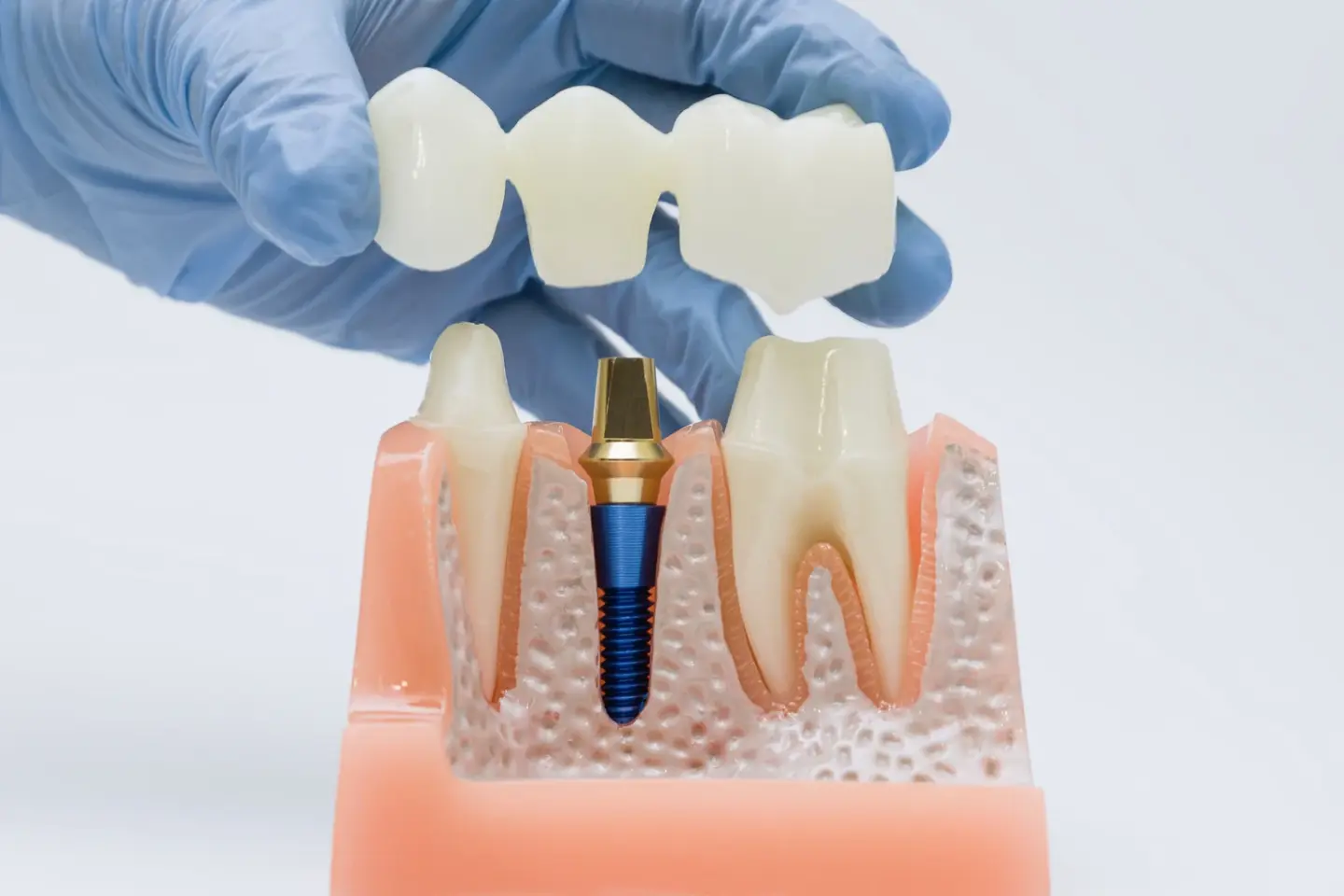
A damaged or weakened tooth may affect your ability to chew comfortably and can become more vulnerable to further damage. Dental crowns in South Miami, FL can help restore the shape, function, and appearance of teeth that have been significantly affected by decay, cracks, large fillings, or other structural concerns.
At SoFlo Dental, we provide personalized dental crown treatment in South Miami, FL, based on each patient's oral health, dental needs, and treatment goals. A dental crown is a custom-made restoration designed to cover and protect a damaged tooth while restoring its shape and function.
With proper care and regular dental visits, a crown can provide a durable restoration for a tooth that requires additional support.
What Is a Dental Crown?
A dental crown is a custom-made restoration that fits over a prepared tooth. It covers the visible portion of the tooth and is designed to restore its shape, strength, and function.
A dental crown may be recommended when a tooth has:
- Significant decay
- A large filling
- A crack or fracture
- Extensive structural damage
- Undergone root canal treatment
- Significant wear
The exact type of crown and treatment approach will depend on the condition of your tooth, its location, your bite, and your individual dental needs.
Benefits of Dental Crowns
Dental crowns can provide several benefits when a tooth requires additional protection or structural support.
Restored Tooth Function
A crown can restore the shape and function of a damaged tooth, making it easier to bite and chew.
Protection for a Weakened Tooth
Covering a structurally compromised tooth can help protect the remaining tooth structure from additional damage.
Natural-Looking Appearance
Dental crowns can be designed to complement the color, shape, and appearance of your surrounding teeth.
Support After Root Canal Treatment
A tooth that has undergone root canal treatment may require additional restoration depending on the amount of remaining tooth structure and its location. A crown may be recommended to help restore and protect the tooth.
Improved Smile Appearance
When a damaged or heavily restored tooth affects the appearance of your smile, a tooth-colored crown may help create a more natural-looking result.
When Might You Need a Dental Crown?
Your dentist may recommend a dental crown when a tooth has sustained damage that cannot be adequately addressed with a smaller restoration.
Common situations include:
- A large cavity has weakened the tooth
- A tooth has a substantial crack
- A large filling has left limited natural tooth structure
- A tooth has been significantly worn down
- A tooth has undergone root canal treatment
- A previous restoration needs to be replaced
A dental examination is necessary to determine whether a crown is appropriate or whether another treatment may be sufficient.
Dental Crowns for Cracked or Damaged Teeth
A cracked or damaged tooth can become more vulnerable to additional injury, particularly when significant tooth structure has been affected.
Depending on the location and severity of the damage, your dentist may recommend a crown to cover and protect the remaining tooth structure.
However, not every cracked tooth can be treated with a crown. If the damage extends below certain areas of the tooth or affects the tooth in a way that makes restoration unsuitable, your dentist may discuss alternative treatment options.
A detailed examination can help determine the condition of the tooth and the most appropriate next step.
Dental Crowns After Root Canal Treatment
Root canal treatment removes infected or inflamed tissue from inside a tooth. After the procedure, the tooth may require a restoration to protect the remaining structure.
Depending on the tooth and the amount of remaining structure, your dentist may recommend a dental crown after root canal treatment.
The treatment sequence may include:
- Evaluation of the damaged or infected tooth
- Root canal treatment when necessary
- A temporary restoration during healing or treatment
- Preparation for the crown
- Placement of the final crown
Your dentist will determine the appropriate restoration based on the condition and location of the tooth.
What to Expect During Dental Crown Treatment
Getting a dental crown generally involves several steps.
Initial Dental Examination
Your dentist will examine the tooth and surrounding tissues to determine whether a crown is appropriate. Dental X-rays or other imaging may be recommended when necessary.
Tooth Preparation
If a crown is suitable, the tooth is prepared to create the space needed for the restoration and to provide an appropriate foundation.
Dental Impressions or Digital Scanning
Your dentist may take an impression or use digital scanning technology to capture the shape and position of your teeth.
Temporary Crown
A temporary crown may be placed while your permanent restoration is being prepared.
Final Crown Placement
Once the permanent crown is ready, your dentist will check its fit, shape, color, and bite before securing it in place.
The exact process can vary depending on the tooth being treated and the type of crown selected.
What Types of Dental Crowns Are Available?
Different crown materials may be available depending on the location of the tooth, your bite, cosmetic goals, and other factors.
Options may include:
- Porcelain crowns
- Ceramic crowns
- Porcelain-fused-to-metal crowns
- Metal crowns
- Other dental crown materials
Front teeth may require particular attention to appearance, while back teeth may require consideration of chewing forces and durability.
Your dentist can explain the advantages and limitations of the available materials and recommend an option based on your individual needs.
Are Dental Crowns Right for Front Teeth?
Dental crowns can be used on front teeth when a tooth has significant structural damage, extensive decay, or another condition that requires full coverage.
For front teeth, appearance is an important consideration. Your dentist may select a crown material and shade designed to blend with the surrounding teeth.
However, a crown is not always the best cosmetic treatment for a healthy front tooth. Depending on the concern, options such as cosmetic dentistry may also be discussed.
How Long Do Dental Crowns Last?
Dental crowns are designed to provide long-term restoration, but their longevity can vary from patient to patient.
Factors that can affect how long a crown remains functional include:
- Oral hygiene
- Gum health
- Tooth decay
- Bite forces
- Teeth grinding or clenching
- The location of the crown
- The crown material
- Regular dental maintenance
- Everyday habits
A crown does not make the underlying tooth immune to dental problems. Good oral hygiene and regular dental examinations remain important after crown placement.
How Do You Care for a Dental Crown?
Caring for a crowned tooth is similar to caring for your natural teeth.
To help maintain your crown and surrounding tissues:
- Brush your teeth twice daily.
- Floss or clean between your teeth every day.
- Attend regular dental examinations.
- Have professional cleanings as recommended.
- Avoid chewing extremely hard objects.
- Do not use your teeth to open packages.
- Tell your dentist if you grind or clench your teeth.
- Contact your dentist if the crown becomes loose, damaged, or uncomfortable.
Good oral hygiene can help protect the tooth underneath the crown as well as the surrounding gums.
What If a Dental Crown Becomes Loose or Damaged?
A crown can occasionally become loose, chipped, cracked, or damaged.
If you notice a problem with your crown:
- Avoid chewing hard foods on that side.
- Do not attempt to permanently reattach the crown yourself.
- Keep the crown if it has come off completely.
- Contact your dentist for an evaluation.
Your dentist can determine whether the crown can be repaired or re-cemented or whether a replacement restoration may be necessary.
If you experience significant pain, swelling, or another urgent dental concern, emergency dental care may be appropriate.
Are You a Candidate for a Dental Crown?
A dental examination in South Miami can determine whether a crown is appropriate for your specific tooth.
A crown may be considered when you have:
- A significantly damaged tooth
- Extensive decay
- A large existing filling
- A fractured tooth that can still be restored
- A tooth requiring additional protection after root canal treatment
- Significant tooth wear
Your dentist will also evaluate the surrounding gums, bite, remaining tooth structure, and overall oral health before recommending treatment.
If the tooth cannot be predictably restored with a crown, your dentist may discuss other options, including tooth replacement.
How Much Do Dental Crowns Cost in South Miami?
The cost of a dental crown varies depending on several factors.
These may include:
- The tooth being treated
- The type of crown material
- The complexity of the treatment
- Whether additional procedures are needed
- The condition of the tooth
- Your dental insurance benefits
A dental examination is the best way to determine what treatment is required and provide an individualized estimate.
If you have dental insurance, your dental team can also help you understand the estimated patient responsibility based on your available benefits.
Why Choose SoFlo Dental for Dental Crowns in South Miami?
Choosing a dental team for restorative treatment is an important part of caring for a damaged tooth. At SoFlo Dental, we focus on personalised treatment planning based on each patient's dental condition, goals, and oral health needs.
Our team is committed to:
- Comprehensive dental evaluations
- Personalised restorative treatment planning
- Careful assessment of damaged teeth
- Modern dental technology
- Customized dental restorations
- Clear communication throughout treatment
- Patient-focused dental care
We take the time to evaluate your tooth and explain the available treatment options so you can make an informed decision about your dental care.
Schedule Your Dental Crown Consultation in South Miami, FL
If you're considering dental crowns in South Miami, FL, SoFlo Dental can help you explore your restorative treatment options. Our team can evaluate your damaged or weakened tooth and develop a treatment plan based on your individual oral health and dental needs.
Whether you need to restore a tooth affected by decay, damage, extensive wear, or previous dental treatment, schedule a consultation to learn whether a dental crown may be appropriate for you.
Frequently Asked Questions on Dental Crowns in South Miami
Q: How much do dental crowns cost in South Miami, FL?
A: The cost of a dental crown varies depending on the tooth being treated, the crown material, the complexity of treatment, whether additional procedures are needed, and your dental insurance benefits. A consultation can provide an individualized treatment estimate.
Q: Are dental crowns painful?
A: Your dentist will use local anesthesia during the tooth preparation process to help keep you comfortable. Some sensitivity or soreness may occur after treatment, particularly while the tooth and surrounding tissues adjust to the restoration.
Q: How long does it take to get a dental crown?
A: The treatment timeline varies depending on the tooth, the type of crown, and the dental office's treatment process. Your dentist can explain how many appointments may be needed and what to expect during each stage.
Q: Can a dental crown fix a cracked tooth?
A: A crown may be appropriate for certain cracked teeth when enough healthy tooth structure remains to support the restoration. However, not every cracked tooth can be restored with a crown. Your dentist will need to evaluate the location and extent of the crack.
Q: Can I get a crown after a root canal?
A: A crown may be recommended after root canal treatment when additional protection and structural support are needed. The decision depends on factors such as the tooth's location and the amount of remaining tooth structure.
Q: How should I care for my dental crown?
A: Brush twice daily, clean between your teeth every day, attend regular dental examinations, and follow your dentist's recommendations for maintaining the crown and surrounding tissues. Avoid chewing extremely hard objects and contact your dentist if the crown becomes loose or damaged.
SCHEDULE YOUR VISIT!
For appointments or inquiries.
*Your Full Name
*Location
*Your Email
*Your phone number
*Message body
I allow this website to store my submission so they can respond to my inquiry.
OUR TWO LOCATIONS
Kendall Miami & South Miami
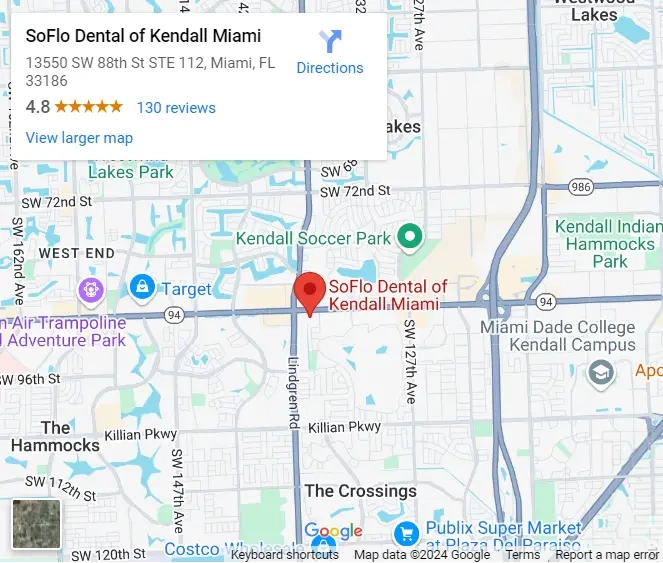
13550 SW. 88th St., Unit #112, Miami, FL 33186
Working Hours
Mon: 11:30 a.m. – 8:00 p.m.
Tue: 9:00 a.m. – 5:00 p.m.
Wed: 11:30 a.m. – 8:00 p.m.
Thu: 9:00 a.m. – 4:30 p.m.
Fri: 9:00 a.m. – 4:30 p.m.
Sat: By Appointment Only
Sun: Closed
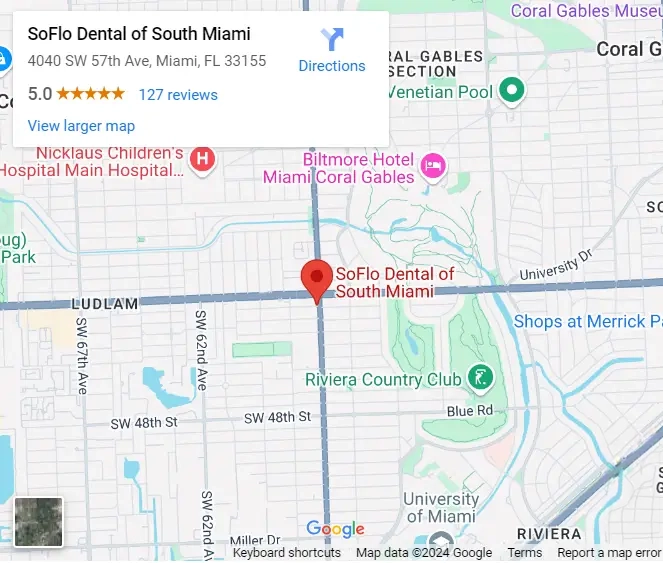
4040 SW 57th Ave, Miami, FL 33155
Working Hours
Mon: 9:00 a.m. – 5:00 p.m.
Tue: 9:00 a.m. – 5:00 p.m.
Wed: 8:30 a.m. – 8:00 p.m.
Thu: 9:00 a.m. – 5:00 p.m.
Fri: 9:00 a.m. – 5:00 p.m.
Sat: By Appointment Only
Sun: Closed

Welcome to SoFlo Dentistry, we provide exceptional dental care tailored to your needs. For appointments or inquiries.


