
Dental Implant Recovery Timeline: What to Expect Week by Week
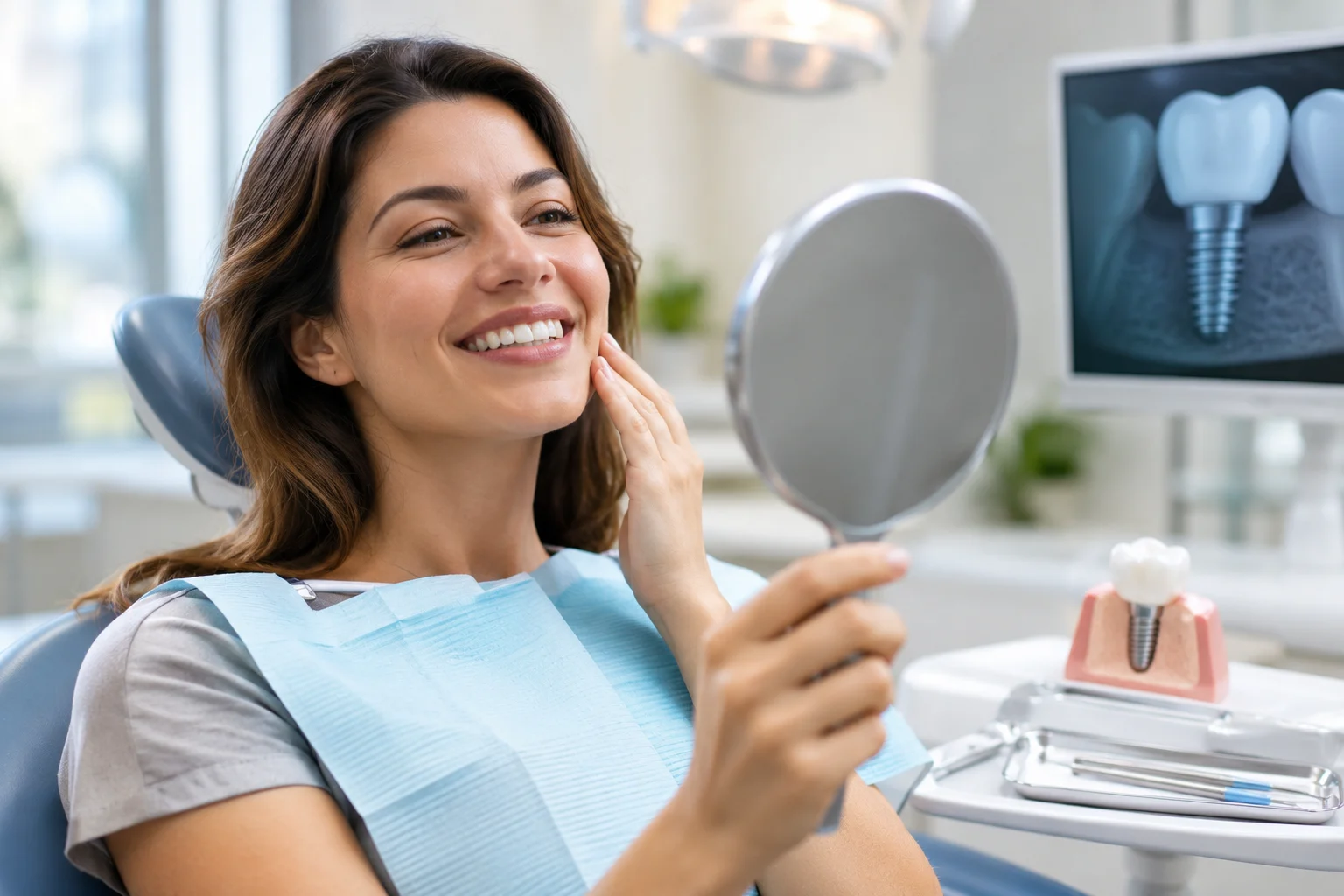
Getting dental implants involves more than the placement procedure itself. After implant surgery, your mouth needs time to heal, and the implant must gradually integrate with the surrounding jawbone. Understanding the dental implant recovery timeline can help you prepare for the healing process, follow aftercare instructions, and know when to contact your dentist.
Recovery varies from person to person. Some patients may experience mild discomfort for a few days, while others may need additional time, particularly if bone grafting or other procedures are required.
At SoFlo Dental of Kendall Miami and SoFlo Dental of South Miami, patients can discuss dental implant treatment, recovery expectations, and the care needed throughout the healing process.
How Long Does Dental Implant Recovery Take?
Dental implant recovery happens in stages. The gum tissue begins healing relatively quickly, but the implant usually needs several months to integrate with the jawbone. This process is known as osseointegration. Think of recovery as two overlapping phases: the soft tissue heals first, and the bone bonds to the implant over a longer period.
The overall timeline depends on factors such as your general health, bone quality, implant location, oral hygiene, and whether additional procedures are needed. If you are curious about how each stage of treatment fits together, this walkthrough of how the implant procedure works step by step covers everything from consultation to the final crown.
Here is a general overview of what recovery may look like:
- First 24 to 72 hours: Swelling, tenderness, and minor bleeding may occur.
- First week: Initial healing begins, and discomfort should generally start improving.
- Weeks 2 to 4: The gum tissue continues to heal, although the implant may still be integrating with the bone.
- Months 2 to 6: Osseointegration progresses, depending on the individual case.
- After adequate healing: Your dentist assesses whether the implant is ready to support the final restoration.
These stages are approximate. Your dentist will determine when it is appropriate to move forward with the next step of treatment.
What Happens During the First 24 to 72 Hours After Dental Implant Surgery?
The first few days after dental implant placement are generally focused on controlling discomfort, managing swelling, and protecting the surgical site.
You may experience:
- Swelling around the gums, cheek, or jaw
- Mild bleeding or oozing during the initial period
- Tenderness near the implant site
- Bruising around the affected area
- Difficulty chewing normally
These symptoms can be part of the expected healing process, although their severity varies.
How Can You Care for Your Mouth During the First Few Days?
Follow the postoperative instructions provided by your dental team. Your dentist may recommend applying a cold compress externally, taking prescribed or recommended medication as directed, and eating soft foods that do not irritate the surgical area. Resting with your head slightly raised can also help keep swelling down.
Avoid smoking, alcohol during the recommended recovery period, straws when your dentist advises against them, and strenuous physical activity immediately after surgery. Do not disturb the implant site with your fingers or tongue. If a tooth had to be removed before your implant, the aftercare instructions for tooth extractions follow many of the same principles.
If bleeding is heavy or persistent, swelling increases significantly, or you develop severe pain, fever, or other concerning symptoms, contact your dentist promptly.
What Should You Expect During Week 1 of Dental Implant Recovery?
During the first week, swelling and tenderness should generally begin to settle. Some patients feel comfortable returning to many everyday activities within a few days, while others need additional rest.
Your recovery during this stage may involve:
- Gradually improving discomfort
- Reduced swelling and bruising
- Continued healing of the gum tissue
- A gradual return to normal daily activities
- Follow-up care if recommended by your dentist
You should continue eating foods that are comfortable to chew and avoid placing unnecessary pressure on the surgical site. Suitable foods may include yogurt, scrambled eggs, mashed vegetables, oatmeal, and soft fish, depending on your dentist's instructions.
Continue cleaning your mouth carefully. Your dental team will explain how to brush near the surgical area and whether a prescribed mouth rinse is appropriate.
If stitches were placed, they may dissolve on their own or require removal, depending on the type used.
What Happens During Weeks 2 to 4 After Dental Implant Surgery?
By the second to fourth week, many patients notice that the gums feel more comfortable and that everyday activities are becoming easier. The visible surgical site may look better, but this does not mean the implant has completed healing.
During this stage:
- Gum tissue continues to heal.
- Tenderness should generally decrease.
- Oral hygiene remains important.
- Your dentist may assess the healing site.
- The implant continues integrating with the jawbone.
It is important not to assume that the implant is ready for normal chewing simply because the discomfort has disappeared. The bone healing process takes longer than the initial gum healing.
Your dentist may also advise you to avoid hard, crunchy, or chewy foods around the implant site until it is safe to do so.
If you notice increasing pain, new swelling, pus, fever, or movement of the implant, contact your dental office rather than waiting for your next scheduled appointment.
What Happens During Months 2 to 3 of Dental Implant Recovery?
During the second and third months, the implant may continue integrating with the surrounding jawbone. This process creates the stability needed to support a replacement tooth.
You may feel little or no discomfort during this stage. However, the absence of symptoms does not necessarily indicate that osseointegration is complete.
Your dentist may evaluate:
- The condition of the gums around the implant
- Signs of inflammation or infection
- Healing progress
- Implant stability when clinically appropriate
- Whether additional healing time is necessary
Some implants may be ready for the next treatment stage within this period, while others require longer. The timeline depends on the location of the implant, the quality of the bone, the surgical approach, and any additional procedures.
Avoid changing your diet or putting extra pressure on the implant without guidance from your dentist.
What Happens During Months 4 to 6 After Dental Implant Placement?
For many patients, the implant continues to mature within the jawbone over several months. A healing period of approximately three to six months is common, although the exact duration can be shorter or longer depending on the case.
If your dentist confirms that the implant has healed sufficiently, treatment may progress to placing or finalizing the replacement tooth. This restoration may be a crown, bridge, or denture, depending on your treatment plan. You can read more about how each option works in this overview of implant-supported crowns, bridges, and dentures.
Before proceeding, your dentist will assess whether the implant is ready to support the planned restoration.
The final tooth is designed to restore appearance and function, but it still requires regular cleaning and professional monitoring. Dental implants do not develop cavities like natural teeth, yet the surrounding gums and bone can be affected by inflammation or infection.
Maintaining good oral hygiene and attending recommended follow-up visits are important for the long-term care of your implant. Small daily habits go a long way, and these tips for keeping your implant healthy for years are worth bookmarking once treatment is complete.
Does Bone Grafting Make Dental Implant Recovery Longer?
Bone grafting may be recommended when there is insufficient jawbone to support an implant in the planned position. The procedure adds or supports bone in the area where the implant is intended to be placed.
When bone grafting is necessary, the treatment timeline may be longer because the graft needs time to heal and integrate with the surrounding bone.
Depending on the amount of bone needed and the type of graft, your dentist may recommend healing before implant placement or may be able to perform both procedures together in selected cases.
Recovery can also take longer if multiple implants are placed or if additional surgical procedures are required.
Your dentist can explain how bone grafting may affect your personal recovery timeline and whether any additional appointments will be needed.
What Can Affect Your Dental Implant Healing Time?
Not everyone heals at the same pace. Several factors can influence how quickly the surgical site heals and how long the implant takes to integrate with the jawbone.
These factors include:
- Bone quality and quantity: The condition of the jawbone can influence implant stability and healing. Your dentist can tell you whether you are a good candidate for dental implants after reviewing your bone support and overall health.
- Smoking: Tobacco use can interfere with healing and increase the risk of complications. The wider risks of smoking and chewing tobacco are worth understanding before surgery.
- Oral hygiene: Keeping the mouth clean helps reduce plaque buildup and inflammation.
- General health: Certain medical conditions and medications may affect healing.
- Additional procedures: Bone grafting or other surgical treatments can extend the overall timeline.
- Following aftercare instructions: Proper care can help support recovery and reduce avoidable complications.
If you have a medical condition or take regular medication, discuss this with your dentist before implant surgery. Do not stop prescribed medication without advice from the clinician responsible for your care.
What Should You Eat During Dental Implant Recovery?
Your diet should support healing while avoiding unnecessary pressure on the implant site. The appropriate food choices depend on the procedure performed and your dentist's instructions.
Consider the following general guidance:
- First few days: Choose soft foods such as yogurt, mashed potatoes, smoothies eaten without a straw when advised, and scrambled eggs.
- First week: Gradually introduce other soft foods if chewing is comfortable and your dentist permits it.
- Following weeks: Expand your diet as healing progresses, while avoiding hard or chewy foods around the surgical area until cleared.
Avoid very hot foods immediately after surgery if your dentist advises against them. Also, avoid chewing directly on the implant site while it is healing.
A balanced diet with adequate protein and nutrients can support the body's normal healing processes. If you have dietary restrictions or difficulty eating after surgery, ask your dental team for suitable alternatives.
When Should You Contact Your Dentist During Implant Recovery?
Some tenderness and swelling may be expected after implant surgery, but symptoms should generally improve rather than become progressively worse.
Contact your dentist if you experience:
- Pain that becomes more severe instead of improving
- Increasing swelling after the initial recovery period
- Persistent or heavy bleeding
- Pus or an unpleasant discharge around the implant
- Fever or feeling generally unwell
- A loose implant or unexpected movement
- Difficulty swallowing or breathing
Difficulty breathing or swallowing, or rapidly spreading swelling, requires emergency medical attention.
Prompt assessment can help your dental team identify complications and determine whether treatment is necessary. Do not wait for a routine follow-up appointment if you have concerning symptoms.
How Can You Support Successful Dental Implant Healing?
Following your dentist's aftercare instructions is one of the most important steps you can take during recovery. Although healing cannot be rushed, good habits can help protect the surgical site and support the treatment process.
To care for your dental implant:
- Brush carefully as directed by your dentist.
- Clean between your teeth using the recommended method.
- Avoid smoking and tobacco products.
- Take medication only as instructed.
- Follow the recommended diet during the healing period.
- Avoid strenuous activity for the period advised after surgery.
- Attend scheduled follow-up appointments.
- Contact your dentist if symptoms worsen or new concerns develop.
Once the final restoration is in place, continue maintaining your oral hygiene routine and attending regular dental examinations. This list of dos and don'ts for everyday implant care covers the tools and habits that help most. Your dentist may recommend additional cleaning techniques depending on the location and type of implant restoration.
Dental Implant Care at SoFlo Dental
At SoFlo Dental of Kendall Miami and SoFlo Dental of South Miami, patients can discuss tooth replacement options and the steps involved in dental implant treatment.
Understanding the recovery process can help you prepare for surgery, plan your routine, and recognize when professional advice may be needed. Your dental team can explain the expected healing period based on your oral health, the planned procedure, and whether additional treatment is required.
If you are considering dental implants, a consultation can help you understand the treatment stages, potential risks, aftercare requirements, and alternative options.
Plan Your Dental Implant Treatment
Dental implant recovery takes time, and each stage plays a role in preparing the implant to support a replacement tooth. If you have missing teeth or want to learn whether dental implants may be suitable for you, schedule a consultation with SoFlo Dental.
Frequently Asked Questions on Dental Implant Recovery Timeline
Q: How long does it take to recover from dental implant surgery?
Initial recovery often takes several days to about one week, although gum healing continues for longer. The implant itself commonly needs around three to six months to integrate with the jawbone before the final restoration can be completed. The timeline varies depending on your health, bone quality, and the complexity of treatment.
Q: When can I eat normally after dental implant surgery?
Many patients begin expanding their diet as discomfort improves, but the timing depends on the procedure and the dentist's instructions. Soft foods are generally recommended during the early recovery period. Avoid hard or chewy foods that may put pressure on the implant until your dentist confirms that it is appropriate to resume them.
Q: How long does swelling last after dental implant surgery?
Swelling commonly develops during the first few days and often begins to improve afterward. The duration varies depending on the extent of surgery and individual healing. If swelling continues to increase, returns after improving, or occurs with fever, severe pain, or discharge, contact your dentist promptly.
Q: Can I go to work the day after dental implant surgery?
Some patients can return to desk-based work within a day or two, while others may need more time to rest. Your recovery depends on the complexity of surgery, your discomfort, and the physical demands of your job. Follow your dentist's advice about returning to work and resuming strenuous activities.
Q: Does a dental implant heal faster if I have no pain?
Not necessarily. Pain levels do not reliably indicate whether the implant has fully integrated with the jawbone. You may feel comfortable while bone healing is still underway. Your dentist will assess the implant and determine when it is ready for the next stage of treatment.
Q: Can a dental implant fail during recovery?
It is uncommon, but complications can occur. Signs to watch for include pain that gets worse instead of better, a loose implant, pus, or swelling that returns after improving. Smoking, poor oral hygiene, and certain health conditions can raise the risk. Contact your dentist as soon as you notice any of these signs so the area can be examined.
SCHEDULE YOUR VISIT!
For appointments or inquiries.
*Your Full Name
*Location
*Your Email
*Your phone number
*Message body
I allow this website to store my submission so they can respond to my inquiry.
OUR TWO LOCATIONS
Kendall Miami & South Miami
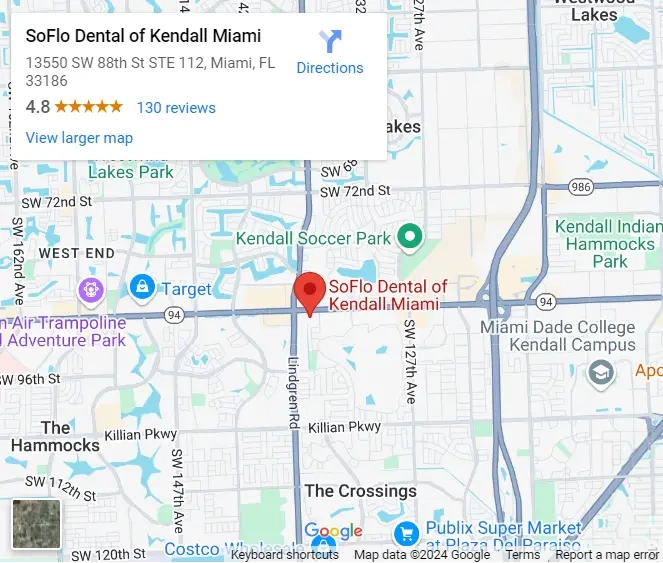
13550 SW. 88th St., Unit #112, Miami, FL 33186
Working Hours
Mon: 11:30 a.m. – 8:00 p.m.
Tue: 9:00 a.m. – 5:00 p.m.
Wed: 11:30 a.m. – 8:00 p.m.
Thu: 9:00 a.m. – 4:30 p.m.
Fri: 9:00 a.m. – 4:30 p.m.
Sat: By Appointment Only
Sun: Closed
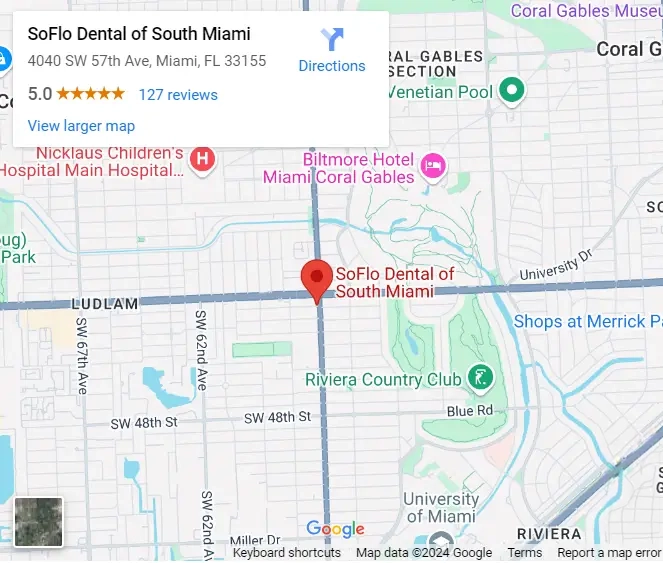
4040 SW 57th Ave, Miami, FL 33155
Working Hours
Mon: 9:00 a.m. – 5:00 p.m.
Tue: 9:00 a.m. – 5:00 p.m.
Wed: 8:30 a.m. – 8:00 p.m.
Thu: 9:00 a.m. – 5:00 p.m.
Fri: 9:00 a.m. – 5:00 p.m.
Sat: By Appointment Only
Sun: Closed

Welcome to SoFlo Dentistry, we provide exceptional dental care tailored to your needs. For appointments or inquiries.


