
How Do I Know If I Have a Dental Infection After Emergency Treatment?
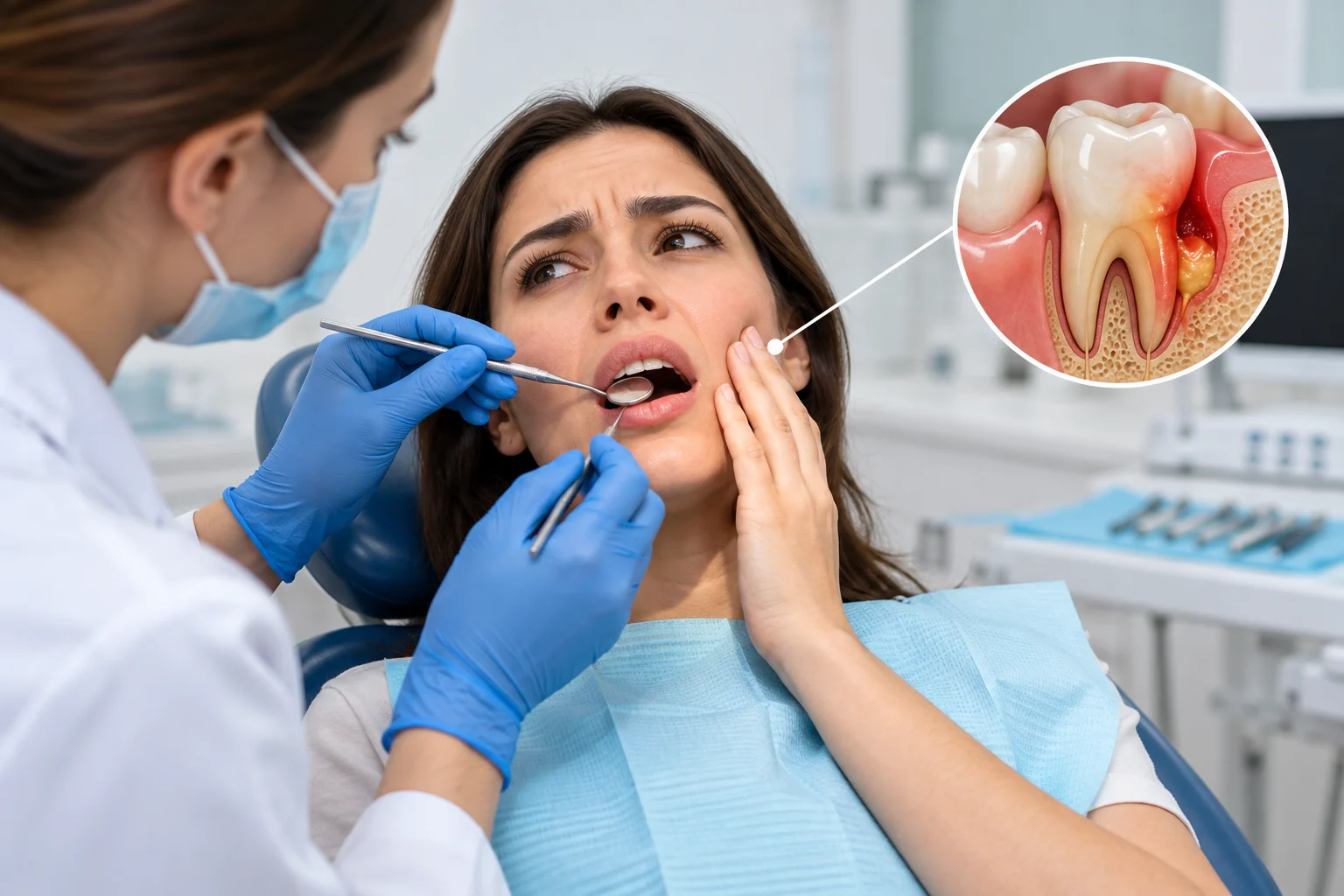
Emergency dental treatment can provide relief when you are dealing with severe tooth pain, swelling, a broken tooth, or another urgent dental problem. However, some dental infections require continued monitoring or additional treatment even after the initial emergency visit.
It is normal to have some soreness or sensitivity after certain dental procedures. The important question is whether your symptoms are gradually improving or whether they are becoming more severe.
Signs such as increasing pain, persistent swelling, fever, pus or drainage, or a bad taste in your mouth may indicate that an infection is still present or that the dental problem requires further evaluation.
At SoFlo Dental of Kendall Miami and SoFlo Dental of South Miami, we provide emergency dental care to evaluate urgent dental problems, identify the underlying cause, and determine the appropriate treatment. Understanding the warning signs of a dental infection after emergency treatment can help you know when to contact your dentist again.
Is It Normal to Have Pain After Emergency Dental Treatment?
Some discomfort after dental treatment can be normal. The tissues around the treated tooth may remain irritated for a period of time, particularly after procedures involving inflammation, infection, or dental trauma.
You may experience:
- Mild soreness around the treated area
- Temporary sensitivity
- Tenderness when chewing
- Mild gum irritation
- Discomfort that gradually improves
These symptoms do not automatically mean that you still have an infection.
However, symptoms that become increasingly severe rather than gradually improving should be evaluated by your dentist.
Signs That a Dental Infection May Still Be Present
Certain symptoms can indicate that an infection has not fully resolved or that another dental problem needs attention.
Increasing or Severe Tooth Pain
Pain that becomes stronger after treatment, especially if it is persistent or throbbing, should be reported to your dentist.
While some soreness can occur after treatment, worsening pain may indicate ongoing inflammation, infection, or another issue involving the treated tooth.
Swelling That Gets Worse
Some localized swelling may occur after certain dental procedures, but swelling that continues to increase is a reason to contact your dentist.
Watch for swelling involving:
- The gums
- Cheek
- Jaw
- Face
- Area around the affected tooth
Increasing facial swelling can be particularly concerning and should not be ignored.
Fever
A fever along with dental pain or swelling can be a sign of infection.
If you develop a fever after emergency dental treatment, contact your dentist promptly for guidance, particularly if it occurs together with worsening pain, swelling, or drainage.
Pus or Drainage
Pus around a tooth or gum can indicate an active infection.
You may notice:
- Yellow or white drainage
- A pimple-like bump on the gums
- A bad taste in your mouth
- Fluid coming from around the affected tooth
These symptoms should be evaluated by a dental professional. A dental abscess can also produce symptoms such as swelling, drainage, and other signs that require dental evaluation.
Persistent Bad Taste or Bad Breath
An unpleasant taste or persistent bad breath after treatment may sometimes occur when bacteria or drainage from an infected area remain present.
If the symptom is persistent or occurs together with pain, swelling, or drainage, contact your dentist.
Difficulty Opening Your Mouth
Significant difficulty opening your mouth, particularly when combined with swelling or pain, can be a warning sign of a more serious dental infection.
Prompt evaluation is important if this develops after emergency treatment.
What Symptoms Should Improve After Treatment?
The expected recovery period depends on the type of emergency treatment you received.
In general, you should pay attention to the direction your symptoms are moving.
If discomfort is gradually becoming less noticeable, this can be reassuring. If pain, swelling, or other symptoms are becoming progressively worse, contact your dental office.
Keep in mind that every procedure has different recovery expectations. Your dentist can tell you what symptoms are expected after your specific treatment.
Can an Infection Come Back After Emergency Dental Treatment?
Yes. Emergency treatment may address the immediate problem, but some dental infections require additional treatment to eliminate the underlying source.
For example, depending on the condition of the tooth, treatment may involve:
- Root canal therapy
- Drainage of an abscess
- Restoration of a damaged tooth
- Tooth extraction
- Treatment of surrounding gum or dental tissues
In some situations, antibiotics may be prescribed when clinically appropriate. However, antibiotics do not replace dental treatment when the source of an infection remains within the tooth or surrounding tissues.
If symptoms return after initially improving, contact your dentist for another evaluation.
Why Can Dental Pain Return After Emergency Treatment?
Recurring pain does not always mean that you have another infection. Several factors can cause discomfort after emergency dental care.
Possible causes include:
- Normal healing
- Continued inflammation
- A tooth that needs additional treatment
- A high or uncomfortable bite after a restoration
- Persistent infection
- A cracked or damaged tooth
- Irritation of surrounding tissues
Your dentist can determine the likely cause by examining the treated area and reviewing your symptoms. In some cases, hidden infection can be associated with tooth pain even when the symptoms are not immediately obvious.
What Should You Do If You Think You Still Have an Infection?
If you develop signs of infection after emergency treatment, contact your dental office rather than trying to manage the problem entirely at home.
Your dentist may recommend:
- A follow-up examination
- Additional dental X-rays
- Evaluation of swelling or drainage
- Assessment of the treated tooth
- Additional dental treatment
- Medication when clinically appropriate
Do not stop prescribed medication early unless your healthcare provider tells you to do so, and do not take leftover antibiotics from a previous illness.
Can You Have an Infection Without Severe Pain?
Yes. The amount of pain does not always indicate the severity of a dental infection.
Some dental infections may cause relatively little discomfort, particularly if pressure from an abscess has been released or the nerve inside a tooth has become damaged.
That is why symptoms such as swelling, drainage, fever, or a persistent bad taste should not be ignored simply because the tooth does not hurt significantly.
If you notice changes after emergency treatment, contact your dentist for advice.
When Is a Dental Infection an Emergency?
A dental infection requires prompt attention when symptoms are worsening or spreading.
Contact your dentist promptly if you develop:
- Increasing tooth pain
- Increasing gum or facial swelling
- Fever
- Pus or drainage
- A worsening bad taste
- Significant tenderness around the affected area
- Difficulty opening your mouth
Some symptoms require immediate medical attention rather than waiting for a dental appointment.
Seek Immediate Medical Attention If You Have:
- Difficulty breathing
- Difficulty swallowing
- Severe or rapidly increasing facial swelling
- Swelling involving the neck
- Signs of a serious systemic illness
These symptoms can indicate that an infection is spreading and may require urgent medical care.
What Can You Do at Home While Waiting for Your Dentist?
Home care can help keep you more comfortable while you arrange follow-up care, but it cannot eliminate the source of a dental infection.
You can:
- Keep your mouth clean with gentle brushing and flossing.
- Rinse gently with warm salt water if recommended.
- Apply a cold compress to the outside of the face if swelling is present.
- Take over-the-counter pain medication as directed if it is safe for you.
- Follow your dentist's post-treatment instructions.
- Take prescribed medications exactly as directed.
Avoid placing aspirin directly on the gums or affected tooth, as it can irritate the tissue.
How Does a Dentist Check for an Infection After Emergency Treatment?
If your symptoms suggest that an infection may still be present, your dentist may perform another evaluation.
The examination may include:
- Reviewing changes in your symptoms
- Examining the treated tooth and gums
- Checking for swelling or drainage
- Testing the tooth when appropriate
- Evaluating your bite
- Taking dental X-rays when necessary
This allows the dentist to determine whether your symptoms are part of normal healing or whether additional treatment is needed.
Why Follow-Up Care Matters After a Dental Emergency
Emergency treatment is often focused on addressing the immediate problem, but some conditions require additional care to restore the tooth and protect your oral health.
Follow-up appointments can help your dentist:
- Monitor healing
- Check whether an infection has resolved
- Confirm that treatment is progressing properly
- Identify complications early
- Complete additional restorative treatment when necessary
Even if your pain has improved, follow your dentist's recommendations for follow-up care.
How Can You Reduce the Risk of Another Dental Infection?
Many dental infections develop from untreated decay, damaged teeth, gum disease, or other problems that can become more serious over time.
Protect your oral health by:
- Brushing twice daily with fluoride toothpaste
- Flossing every day
- Visiting your dentist for regular examinations
- Treating cavities promptly
- Addressing damaged or cracked teeth
- Following through with recommended dental treatment
- Maintaining good oral hygiene after emergency procedures
Early treatment can help prevent some dental problems from progressing into emergencies.
Emergency Dental Care at SoFlo Dental
At SoFlo Dental of Kendall Miami and SoFlo Dental of South Miami, we understand that symptoms following a dental emergency can be concerning.
Our emergency dental care services are designed to evaluate urgent dental problems and determine the appropriate next step. If you continue to experience pain, swelling, drainage, or other concerning symptoms after emergency treatment, a follow-up evaluation can help determine whether additional care is necessary.
Do not assume that worsening symptoms are simply part of the healing process. Contact your dentist and explain what you are experiencing so your symptoms can be evaluated appropriately.
Need a Follow-Up Dental Evaluation in Miami?
If you have increasing pain, swelling, fever, drainage, or other signs of a possible dental infection after emergency treatment, contact SoFlo Dental to discuss your symptoms and arrange an evaluation.
If you are experiencing severe facial swelling or difficulty breathing or swallowing, seek immediate medical attention.
Frequently Asked Questions
Q: How do I know if my tooth infection is getting worse after treatment?
A: Increasing pain, worsening swelling, fever, pus or drainage, a persistent bad taste, or difficulty opening your mouth can indicate that the infection or another dental problem requires further evaluation. Contact your dentist promptly if your symptoms are getting worse rather than improving.
Q: Is some pain normal after emergency dental treatment?
A: Some soreness, tenderness, or sensitivity can occur after dental treatment. What matters is how your symptoms change over time. If discomfort gradually improves, it may be part of normal healing. Increasing or severe pain should be reported to your dentist.
Q: Can a dental infection come back after treatment?
A: Yes. Some dental infections require additional treatment to address the underlying source of infection. If pain, swelling, or other symptoms return after initially improving, contact your dentist for a follow-up examination.
Q: Can antibiotics completely cure a dental infection?
A: Antibiotics may be prescribed in certain situations when clinically appropriate, but they do not necessarily eliminate the source of a dental infection. Depending on the cause, definitive dental treatment may be needed to address the affected tooth or surrounding tissues.
Q: When should I go to the ER for a dental infection?
A: Seek immediate medical attention if you have difficulty breathing or swallowing, severe or rapidly increasing facial swelling, swelling extending toward the neck, or other signs of a serious medical emergency. For dental symptoms without these severe signs, contact an emergency dentist promptly.
Q: What should I do if my tooth still hurts after emergency dental treatment?
A: Some discomfort can be expected after certain procedures, but persistent or worsening pain should be evaluated. Contact your dentist, explain how your symptoms have changed, and follow their instructions for follow-up care.
SCHEDULE YOUR VISIT!
For appointments or inquiries.
*Your Full Name
*Location
*Your Email
*Your phone number
*Message body
I allow this website to store my submission so they can respond to my inquiry.
OUR TWO LOCATIONS
Kendall Miami & South Miami
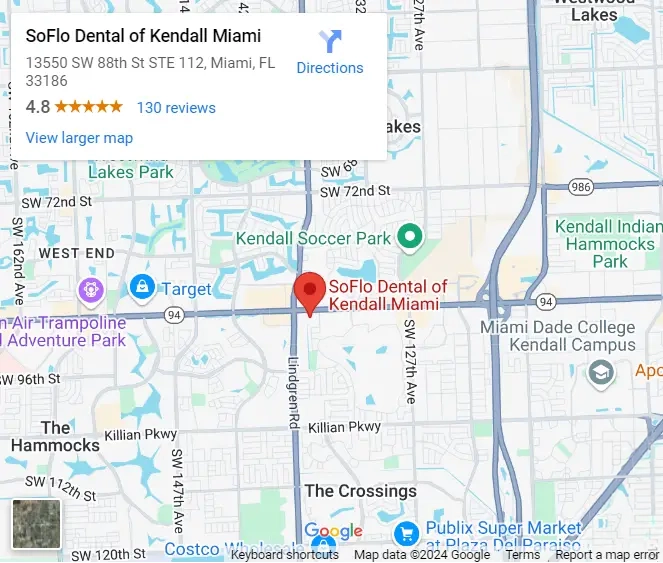
13550 SW. 88th St., Unit #112, Miami, FL 33186
Working Hours
Mon: 11:30 a.m. – 8:00 p.m.
Tue: 9:00 a.m. – 5:00 p.m.
Wed: 11:30 a.m. – 8:00 p.m.
Thu: 9:00 a.m. – 4:30 p.m.
Fri: 9:00 a.m. – 4:30 p.m.
Sat: By Appointment Only
Sun: Closed
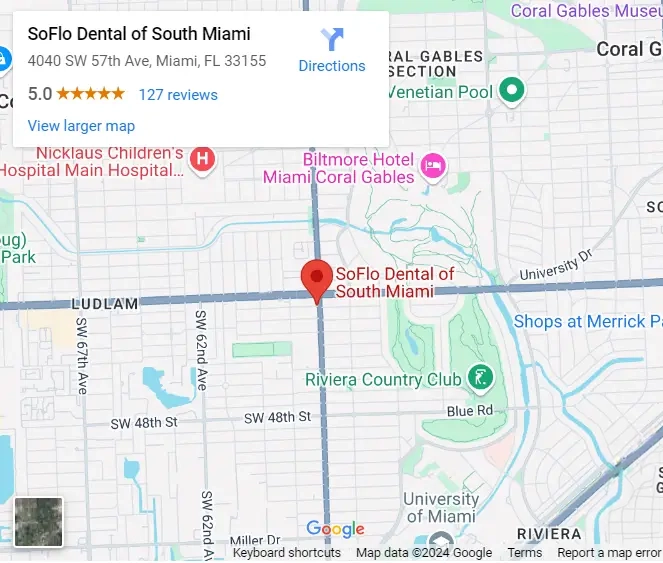
4040 SW 57th Ave, Miami, FL 33155
Working Hours
Mon: 9:00 a.m. – 5:00 p.m.
Tue: 9:00 a.m. – 5:00 p.m.
Wed: 8:30 a.m. – 8:00 p.m.
Thu: 9:00 a.m. – 5:00 p.m.
Fri: 9:00 a.m. – 5:00 p.m.
Sat: By Appointment Only
Sun: Closed

Welcome to SoFlo Dentistry, we provide exceptional dental care tailored to your needs. For appointments or inquiries.


