
Exploring the Vital Connection: SoFlo Dental’s Insight into Oral Hygiene and Heart Wellness
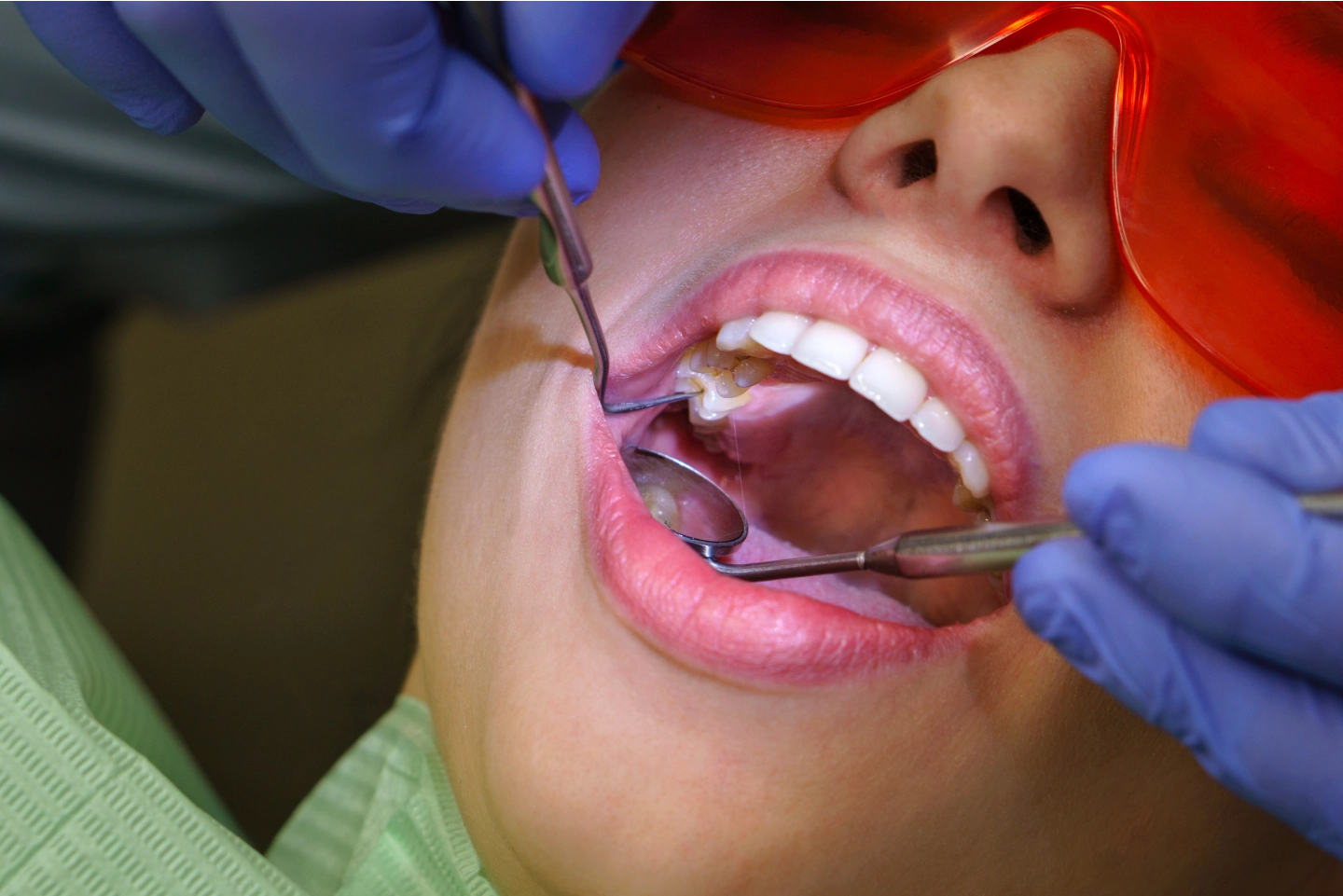
Your mouth is not separate from your body; it’s the front door to your overall health. The growing body of research on the connection between oral health and heart health shows that what happens in your gums can directly affect your heart.
As someone who has spent over 10 years working closely with dental practices and patient behavior trends, I’ve consistently noticed one pattern: patients who neglect their oral hygiene often experience systemic health issues, including early signs of cardiovascular risk. This isn’t a coincidence, it’s a biological connection.
What Is the Oral Health and Heart Health Connection?
The oral health and heart health connection refers to the scientifically supported link between gum disease (periodontal disease) and cardiovascular conditions, such as heart attacks and strokes.
In simple terms:
When your gums are unhealthy, harmful bacteria can travel through your bloodstream and affect your heart.
How Oral Health Affects Heart Health
1. Bacteria Entering the Bloodstream from Gums
When you have gingivitis or periodontitis, your gums become inflamed and may bleed easily. This creates an entry point for bacteria.
- These bacteria can enter your bloodstream
- Travel to arteries
- Contribute to plaque buildup and heart disease
If you’re noticing early symptoms, understanding the gum disease warning signs and prevention can help you act before complications develop.
According to research published by the American Heart Association (AHA), oral bacteria have been found in arterial plaque, suggesting a direct link.
2. Inflammation and Cardiovascular Risk
Inflammation is your body’s natural defense but chronic inflammation is dangerous.
- Gum disease = chronic inflammation
- Chronic inflammation contributes to:
- Narrowed arteries
- Blood clots
- Increased cardiovascular risk
Think of inflammation like a slow-burning fire it doesn’t cause damage instantly, but over time, it weakens your system.
3. Periodontal Disease and Cardiovascular Disease
Periodontal disease is an advanced stage of gum disease that damages soft tissue and bone.
Research suggests:
- People with periodontal disease are 2–3 times more likely to develop heart disease
- It may worsen existing cardiovascular conditions
Learn more about effective gum disease treatments to reduce long-term health risks.
This highlights a strong link between oral health and heart disease that cannot be ignored.
The Mouth-Body Connection Explained
The mouth-body connection (also known as the oral-systemic health connection) emphasizes how oral health impacts overall wellness.
Here’s how it works:
- Your mouth hosts billions of bacteria
- Poor oral hygiene allows harmful bacteria to grow
- These bacteria can spread beyond the mouth
- This leads to oral infections and heart complications
Explore how oral health connects to overall wellbeing for a deeper understanding of this relationship.
Your mouth acts like a gateway, what enters here can affect your entire body.
Common Signs of Poor Oral Hygiene
Recognizing early symptoms can help you prevent bigger issues.
Watch out for:
- Bleeding gums while brushing or flossing
- Persistent bad breath
- Red, swollen, or tender gums
- Loose teeth
- Receding gums
If you’re experiencing these, this guide on bleeding gums treatment can help you take the right next step.
These are not just dental issues they may be early warning signs of systemic health risks.
Gum Disease and Heart Health: What’s the Risk?
Gingivitis and Heart Health
Gingivitis is the early stage of gum disease and is reversible.
- Causes mild inflammation
- Can progress if untreated
- May already begin influencing systemic inflammation
Periodontitis Risk Factors
If gingivitis progresses, it becomes periodontitis.
Key risk factors:
- Smoking
- Poor oral hygiene
- Diabetes
- Stress (common among working professionals)
- Hormonal changes (important for brides, grooms, influencers prepping for events)
Why This Matters for Your Lifestyle
For Working Professionals (25–45)
Long hours, stress, and irregular routines often lead to:
- Skipping dental care
- Increased inflammation
- Higher cardiovascular risk
For Brides, Grooms & Influencers
You focus on your smile for aesthetics but health matters just as much as appearance.
- Healthy gums improve smile aesthetics
- Reduce inflammation-related puffiness
- Enhance confidence AND wellness
For First-Time Cosmetic Dentistry Explorers
Before veneers or whitening:
Your gums must be healthy first
Ignoring underlying gum issues can:
- Compromise results
- Increase infection risks
- Affect long-term oral and systemic health
Preventive Dental Care Benefits for Heart Health
The good news? This connection works both ways.
Better oral care = Lower heart risk
Simple habits that make a big difference:
- Brush twice daily (2 minutes each time)
- Floss daily
- Use antibacterial mouthwash
- Visit your dentist every 6 months
Regular visits for dental cleanings and exams play a crucial role in preventing both gum disease and systemic complications.
These steps reduce:
- Bacteria entering bloodstream from gums
- Inflammation
- Risk of heart complications
What Experts Say (Authority & Evidence)
- The American Heart Association acknowledges a strong association between gum disease and heart health
- The Centers for Disease Control and Prevention (CDC) states that nearly 47% of adults have some form of periodontal disease
- Studies suggest that treating gum disease can help improve markers of cardiovascular health
Important Note (Nuance)
While there is a strong link, gum disease does not directly cause heart disease. Instead, it increases risk factors, especially when combined with lifestyle habits like smoking, poor diet, and stress.
Dental Care for Overall Health: A Holistic View
Think of oral care as part of your full-body wellness routine, not just a cosmetic task.
Just like you:
- Exercise for your heart
- Eat well for your body
You should care for your mouth to support both.
Conclusion: Why the Oral Health and Heart Health Connection Matters
The connection between oral health and heart health is not just a theory; it’s a critical health insight backed by science and real-world experience.
Your gums are more than just part of your smile; they’re a signal system for your body’s health.
By prioritizing preventive dental care, you’re not just protecting your teeth; you’re actively reducing your risk of heart disease.
FAQs
What is the link between oral health and heart disease?
The link lies in bacteria and inflammation. Gum disease allows bacteria to enter the bloodstream, contributing to inflammation and increasing cardiovascular risk.
How does gum disease affect heart health?
Gum disease causes chronic inflammation and enables bacteria to travel to the heart, potentially contributing to arterial plaque buildup and heart complications.
Can improving oral hygiene reduce heart disease risk?
Yes. Maintaining good oral hygiene reduces harmful bacteria and inflammation, which can lower overall cardiovascular risk.
What are early signs of gum disease?
Common signs include bleeding gums, bad breath, swollen gums, and gum recession. Early detection is key to prevention.
Is gingivitis dangerous for the heart?
While gingivitis is mild and reversible, untreated cases can progress to periodontitis, which is linked to higher cardiovascular risk.
How often should I visit a dentist for prevention?
You should visit a dentist every 6 months for check-ups and professional cleaning to maintain both oral and overall health.
Can oral bacteria really reach the heart?
Yes. When gums are inflamed, bacteria can enter the bloodstream and travel to other parts of the body, including the heart.
Who is most at risk for oral-systemic health issues?
People with poor oral hygiene, smokers, diabetics, and those under chronic stress are at higher risk.
SCHEDULE YOUR VISIT!
For appointments or inquiries.
*Your Full Name
*Location
*Your Email
*Your phone number
*Message body
I allow this website to store my submission so they can respond to my inquiry.
OUR TWO LOCATIONS
Kendall Miami & South Miami

13550 SW. 88th St., Unit #112, Miami, FL 33186
Working Hours
Mon: 11:30 a.m. – 8:00 p.m.
Tue: 9:00 a.m. – 5:00 p.m.
Wed: 11:30 a.m. – 8:00 p.m.
Thu: 9:00 a.m. – 4:30 p.m.
Fri: 9:00 a.m. – 4:30 p.m.
Sat: By Appointment Only
Sun: Closed
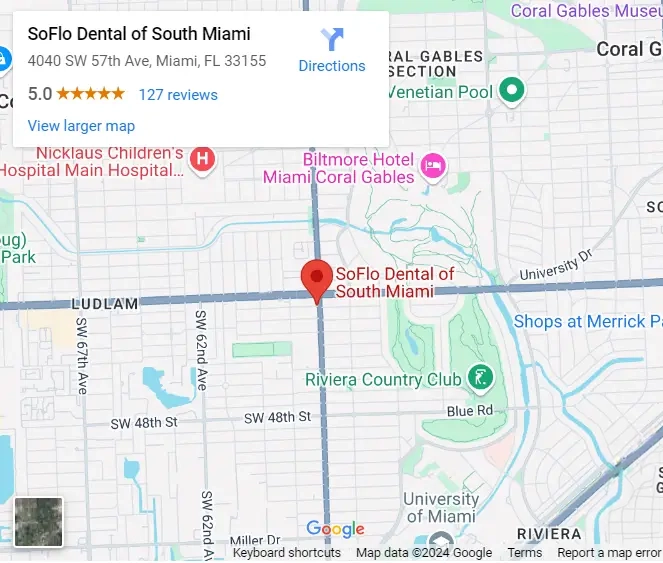
4040 SW 57th Ave, Miami, FL 33155
Working Hours
Mon: 9:00 a.m. – 5:00 p.m.
Tue: 9:00 a.m. – 5:00 p.m.
Wed: 8:30 a.m. – 8:00 p.m.
Thu: 9:00 a.m. – 5:00 p.m.
Fri: 9:00 a.m. – 5:00 p.m.
Sat: By Appointment Only
Sun: Closed
Welcome to SoFlo Dentistry, we provide exceptional dental care tailored to your needs. For appointments or inquiries.


