
Gum Disease Symptoms: Warning Signs and Prevention Tips
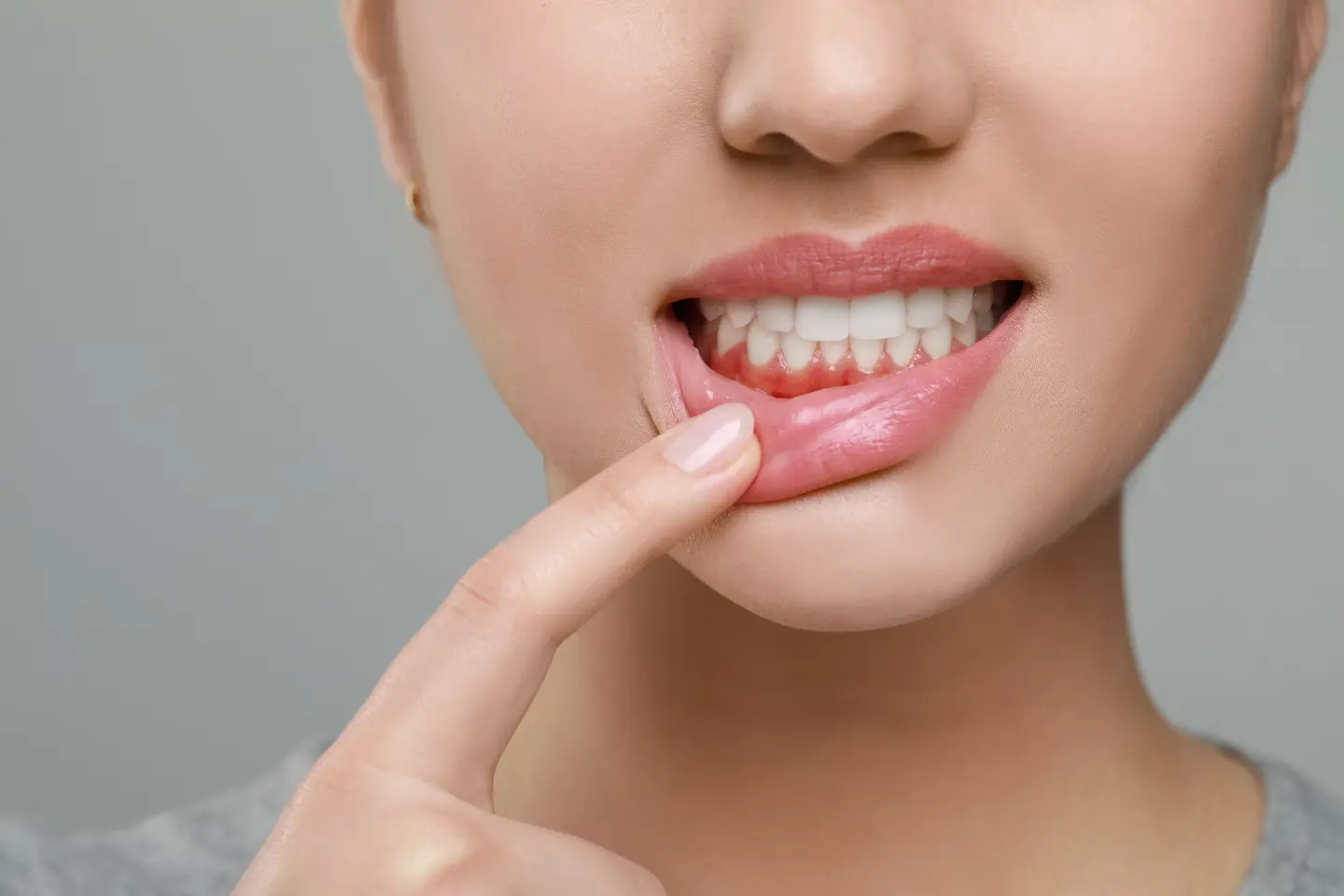
If you’ve ever noticed bleeding gums while brushing or persistent bad breath, you’re not alone, and it could be more than just a minor issue. These are some of the most common gum disease symptoms, and ignoring them can lead to serious oral health problems. If you’re already experiencing bleeding, you may want to explore bleeding gums treatment to understand potential solutions.
From my 10+ years working closely with dental practices and patient education campaigns, I’ve seen a clear pattern: most people ignore early signs until the condition becomes painful or expensive to treat. The good news? Gum disease is largely preventable and reversible in its early stages.
What Is Gum Disease?
Gum disease (periodontal disease) is a bacterial infection of the gums caused by plaque buildup along the gumline, leading to inflammation and potential damage to the bone supporting your teeth. You can learn more about how this condition progresses in this detailed guide on providing relief from periodontal disease.
Think of it like rust on metal, it starts small but spreads silently if untreated.
Early Signs of Gum Disease You Should Never Ignore
Catching the early signs of gum disease can save your teeth, and your wallet.
1. Bleeding Gums
If your gums bleed while brushing or flossing, it’s not “normal”, it’s often the first sign of inflammation. If this happens frequently, check out this guide on bleeding gums treatment.
Why it happens: Plaque buildup irritates the gums, making them sensitive.
2. Red, Swollen, or Tender Gums
Healthy gums should be firm and pale pink, not puffy or red.
Key indicator: Pain or discomfort while eating or brushing.
3. Persistent Bad Breath (Halitosis)
Chronic bad breath is often caused by bacteria trapped under the gums. If this is a concern, this article on permanent bad breath cure can help you understand underlying causes.
Pro tip: If mouthwash only masks the smell, it’s likely a deeper issue.
4. Receding Gums
If your teeth look longer than before, your gums may be pulling back.
Why it matters: This exposes sensitive tooth roots and increases decay risk.
5. Loose Teeth or Bite Changes
This is a late-stage warning sign of periodontal disease.
Serious concern: Bone loss may already be happening.
Understanding Periodontal Disease Symptoms (Stages)
Stage 1: Gingivitis (Mild)
- Bleeding gums
- Mild swelling
- No bone loss
Reversible with proper oral hygiene routine
Stage 2: Periodontitis (Moderate)
- Gum pockets form
- Persistent bad breath
- Early bone loss
Requires professional gum disease treatment, learn more about options in gum disease treatments.
Stage 3: Advanced Periodontitis
- Loose teeth
- Severe gum recession
- Tooth loss
Needs intensive gum infection treatment
What Causes Gum Disease?
The main culprit is plaque, a sticky film of bacteria.
Here’s how it progresses:
- Poor oral hygiene → plaque buildup
- Plaque hardens into tartar
- Tartar causes gum inflammation
- Infection spreads below the gumline
This is why maintaining proper hygiene habits like flossing is critical, this guide explains it well: only floss the teeth you want to keep.
According to the Centers for Disease Control and Prevention (CDC), nearly half of adults over 30 show signs of periodontal disease, making it extremely common but often overlooked.
Gum Disease Treatment: What Actually Works?
Treatment depends on the severity:
Early Stage (Gingivitis)
- Improved brushing and flossing
- Antibacterial mouthwash
- Regular professional teeth cleaning and exams
Moderate Stage
- Scaling and root planing (deep cleaning)
- Prescription medications
- Monitoring gum pockets
Advanced Stage
- Surgical treatments
- Bone or gum grafts
- Tooth extraction (in severe cases)
Reality check: Home remedies alone won’t reverse advanced gum disease—but they can support early care.
How to Prevent Gum Disease (Simple but Powerful)
Prevention is easier than treatment. Here’s a practical oral hygiene routine:
Daily Habits
- Brush twice a day (2 minutes each), if unsure about technique, read are you brushing your teeth properly
- Floss daily to remove hidden plaque
- Use an antibacterial mouthwash
Monthly & Lifestyle Habits
- Replace your toothbrush every 3 months
- Avoid smoking (major risk factor)
- Stay hydrated to reduce bacteria buildup
Professional Care
- Visit your dentist every 6 months
- Get professional teeth cleaning to remove tartar
- Ask for early screening if you notice symptoms
Are Home Remedies Effective?
Let’s be honest this is what many people search for first.
Helpful (Supportive Care)
- Saltwater rinses
- Oil pulling
- Good brushing habits
Not Enough Alone
- Cannot remove tartar
- Cannot reverse bone loss
- Cannot treat advanced infection
Think of home remedies as maintenance, not treatment.
When Should You See a Dentist?
Don’t wait for pain.
Visit a dentist if you notice:
- Bleeding gums for more than a week
- Persistent bad breath
- Gum recession
- Loose teeth
If you’re unsure, reviewing common concerns in periodontics FAQ can help guide your next step.
Early intervention can save thousands in treatment costs later.
Final Thoughts on Gum Disease Symptoms
Ignoring gum disease symptoms is one of the most common—and costly—mistakes people make with their oral health.
The earlier you act, the simpler the solution. In many cases, a basic oral hygiene routine and regular cleanings are enough to stop the problem in its tracks.
From what I’ve seen across countless patient journeys, the difference between saving and losing teeth often comes down to how early you respond to the warning signs.
FAQs About Gum Disease
What are the first signs of gum disease?
The earliest signs include bleeding gums, redness, swelling, and bad breath. These symptoms indicate gingivitis, which is reversible with proper care.
Can gum disease go away on its own?
No. While early-stage gum disease can improve with better oral hygiene, it won’t fully resolve without consistent care and sometimes professional cleaning.
Is gum disease painful?
Not always. Many people experience no pain in early stages, which is why it often goes unnoticed until it becomes severe.
How long does it take to treat gum disease?
Mild cases can improve within a few weeks, while advanced cases may require months of treatment and monitoring.
Can brushing too hard cause gum problems?
Yes. Aggressive brushing can lead to gum recession, which may worsen or mimic gum disease symptoms.
Is gum disease linked to overall health?
Yes. Research shows connections between gum disease and heart disease, diabetes, and inflammation-related conditions.
SCHEDULE YOUR VISIT!
For appointments or inquiries.
*Your Full Name
*Location
*Your Email
*Your phone number
*Message body
I allow this website to store my submission so they can respond to my inquiry.
OUR TWO LOCATIONS
Kendall Miami & South Miami
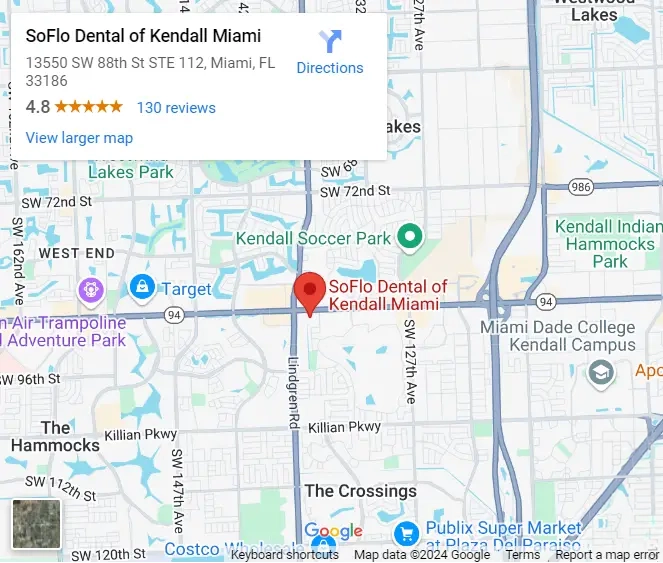
13550 SW. 88th St., Unit #112, Miami, FL 33186
Working Hours
Mon: 11:30 a.m. – 8:00 p.m.
Tue: 9:00 a.m. – 5:00 p.m.
Wed: 11:30 a.m. – 8:00 p.m.
Thu: 9:00 a.m. – 4:30 p.m.
Fri: 9:00 a.m. – 4:30 p.m.
Sat: By Appointment Only
Sun: Closed
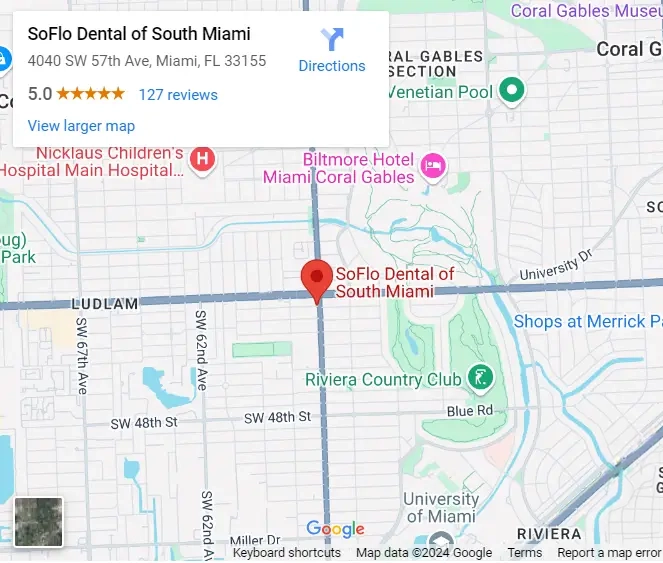
4040 SW 57th Ave, Miami, FL 33155
Working Hours
Mon: 9:00 a.m. – 5:00 p.m.
Tue: 9:00 a.m. – 5:00 p.m.
Wed: 8:30 a.m. – 8:00 p.m.
Thu: 9:00 a.m. – 5:00 p.m.
Fri: 9:00 a.m. – 5:00 p.m.
Sat: By Appointment Only
Sun: Closed

Welcome to SoFlo Dentistry, we provide exceptional dental care tailored to your needs. For appointments or inquiries.


