
What Happens During a Root Canal? A Walkthrough for Nervous Patients
Understanding what happens during a root canal can make the experience feel more manageable. From the initial examination to the final restoration, knowing what to expect can help you feel more prepared for your appointment.
At SoFlo Dental of Kendall Miami and SoFlo Dental of South Miami, patients can discuss tooth pain, treatment concerns, and available options with their dental team. Our root canal treatment is aimed at relieving pain and keeping your natural tooth in comfort.
What Is a Root Canal?
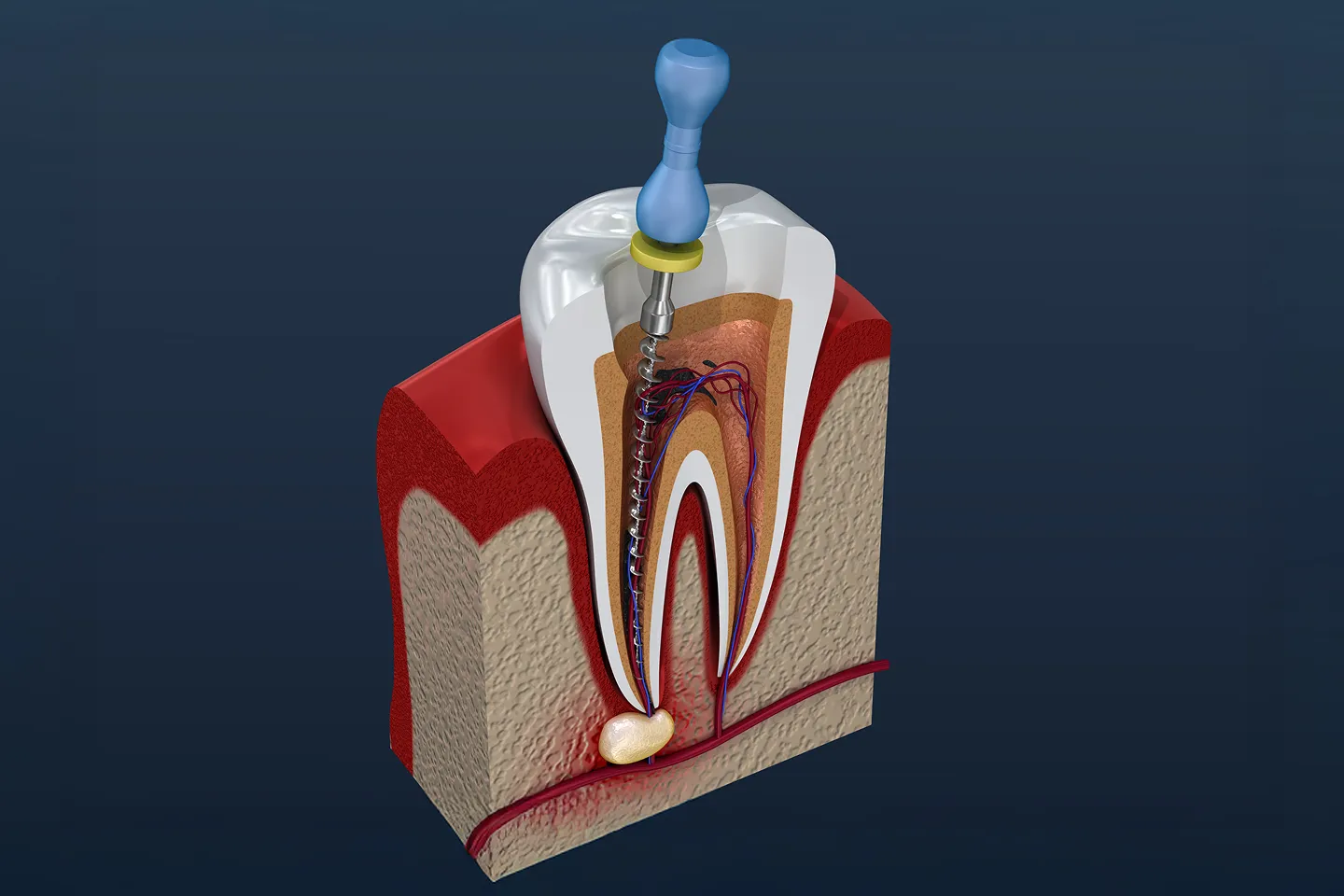
A root canal is a dental procedure used to treat infection or inflammation inside a tooth. Beneath the hard outer layers of enamel and dentin lies the pulp, which contains nerves, blood vessels, and connective tissue.
Deep decay, cracks, injuries, or repeated dental procedures can damage this tissue. When the pulp becomes inflamed or infected, root canal treatment may be recommended to remove the affected tissue and help save the tooth.
During the procedure, your dentist cleans and disinfects the inside of the tooth, then fills and seals the root canal system. A filling or dental crown may be needed afterward to restore the tooth's structure and function.
The goal is to preserve your natural tooth whenever it can be predictably restored.
Why Might You Need a Root Canal?
A dentist may recommend root canal treatment when the pulp inside your tooth has become irreversibly inflamed or infected. The symptoms can vary, and some patients may have little or no noticeable discomfort.
Possible signs include:
- Persistent or throbbing toothache
- Sensitivity to hot or cold that lingers after the trigger is removed
- Pain when biting or chewing
- Swelling or tenderness around the affected tooth
- A darkened tooth following an injury
- A pimple-like bump on the gums that may indicate an infection
These symptoms do not always mean you need a root canal. Your dentist will examine the tooth and may use dental X-rays or other tests to determine the cause of the problem. To understand how an infection starts and why it should not be ignored, read about when tooth pain signals a hidden infection, and learn the warning signs of a dental abscess.
If you have persistent tooth pain or swelling, arranging a dental evaluation promptly can help you understand your treatment options.
How Can You Prepare for a Root Canal If You Feel Nervous?
Feeling anxious before dental treatment is common. You may worry about pain, the sound of dental instruments, or not knowing what will happen during the appointment.
A few simple steps may help you feel more comfortable.
- Tell your dentist about your anxiety: This allows the dental team to understand your concerns and explain the procedure at a pace that works for you.
- Ask questions before treatment begins: Understanding the steps involved can make the appointment feel less uncertain.
- Discuss pain management: Your dentist can explain the local anesthetic and other comfort measures that may be appropriate.
- Agree on a signal for breaks: You can ask whether you may raise your hand if you need the dentist to pause.
- Follow your appointment instructions: Ask your dental office whether you should eat normally or follow any specific instructions before your visit.
You do not need to hide your nervousness. Letting your dental team know how you feel can help them provide appropriate support throughout the appointment. These tips for easing dental exam anxiety are just as useful before a root canal.
What Happens During a Root Canal? Step by Step
Although the exact process depends on the tooth and the extent of the damage, root canal treatment generally follows several stages.
Step 1: Examination and Dental X-Rays
Your dentist begins by assessing the affected tooth, reviewing your symptoms, and checking the surrounding gums and tissues.
Digital X-rays may be taken to examine the roots, assess the surrounding bone, and identify signs of infection. These findings help your dentist determine whether root canal treatment is appropriate and plan the procedure.
This is also a good time to discuss your concerns, ask questions, and understand what the treatment will involve.
Step 2: Numbing the Tooth
Before treatment begins, your dentist typically administers a local anesthetic to numb the affected tooth and surrounding area.
You may feel a brief pinch or pressure during the injection, but the area should become numb before the procedure continues.
Your dentist can check whether the anesthetic is working adequately. If you still feel discomfort, let the dental team know so they can assess whether additional anesthesia or other measures are needed.
You may remain aware of pressure, vibrations, or movement during treatment, but you should not have to silently tolerate significant pain.
Step 3: Isolating the Tooth
Once the tooth is numb, your dentist may place a rubber dam around it. This thin protective sheet helps isolate the tooth from saliva and keeps the treatment area clean.
It also helps prevent small instruments or dental materials from entering the mouth.
The rubber dam may feel unfamiliar at first, but your dental team can explain how it works and help you get comfortable before proceeding.
Step 4: Opening the Tooth
Your dentist creates a small opening in the crown of the tooth to access the pulp chamber and root canals.
The size and location of the opening depend on the tooth being treated. Once access is established, the dentist can remove the inflamed or infected pulp tissue.
If you are anxious about the sound of the instruments, consider asking your dentist about ways to manage sound sensitivity during the procedure.
Step 5: Cleaning and Shaping the Root Canals
The dentist uses specialized instruments to remove the affected tissue and shape the root canals. The canals are also irrigated with appropriate cleaning solutions to help remove debris and reduce bacteria.
This stage is important because the internal canal system must be cleaned thoroughly before it can be sealed.
Some teeth have more complex root anatomy than others. Molars, for example, may have several canals, so the treatment can take longer than it would for a tooth with simpler anatomy.
Step 6: Filling and Sealing the Canals
After the canals have been cleaned and prepared, your dentist fills them with a suitable material, commonly gutta-percha, and seals the system.
The purpose is to help prevent bacteria from re-entering the treated space.
Depending on the condition of the tooth and the treatment plan, the dentist may complete the procedure in one appointment or use medication and a temporary filling before completing it at a later visit.
Step 7: Restoring the Tooth
Once the root canal treatment is complete, the opening in the tooth needs to be sealed and restored.
Some teeth can be restored with a filling, while others may need a dental crown to provide additional support. A crown is more likely to be considered when substantial tooth structure has been lost or the tooth is at greater risk of fracture.
Your dentist will recommend a suitable restoration based on the tooth's location, the amount of remaining healthy structure, and your bite.
Completing the recommended restoration is an important part of protecting the treated tooth.
Does a Root Canal Hurt?
One of the biggest concerns for nervous patients is whether a root canal will be painful.
The procedure is generally performed under local anesthesia, which helps prevent pain during treatment. Many patients experience pressure or vibration rather than sharp pain. Many patients describe the experience as similar to having a filling placed.
However, the experience can vary. Teeth with significant inflammation or infection may be more difficult to numb completely, and additional anesthetic measures may sometimes be needed.
After treatment, mild tenderness or sensitivity around the tooth can occur for a few days, particularly when biting. This should generally improve as healing progresses.
If you experience severe pain, increasing swelling, or symptoms that worsen rather than improve, contact your dentist for assessment.
How Long Does a Root Canal Appointment Take?
The duration depends on which tooth needs treatment, the complexity of its root canals, the extent of infection, and whether the procedure can be completed in one visit. Many root canals are completed in one or two visits.
A straightforward case may take around an hour, while more complex cases can take longer or require multiple appointments.
Molars often require additional time because they generally have more complicated root canal systems than front teeth.
Your dentist can give you a more useful estimate after examining the tooth and reviewing your X-rays.
What Should You Expect After a Root Canal?
After the local anesthetic wears off, you may notice mild tenderness, sensitivity when chewing, or soreness around the treated tooth.
To support recovery:
- Follow your dentist's instructions about medication and aftercare.
- Avoid chewing hard foods on the treated tooth until it has been appropriately restored.
- Choose softer foods if the area feels tender.
- Continue brushing and flossing carefully.
- Attend any follow-up appointments needed to complete your restoration.
Avoid biting down on a temporary filling or an unrestored tooth with excessive force. A tooth that has undergone root canal treatment may need additional protection depending on how much healthy structure remains.
Contact your dentist if the temporary filling comes out, your bite feels uneven, or pain and swelling increase. Our post-op instructions include guidance for root canal aftercare that you can refer back to at home.
Can You Avoid a Root Canal?
Not every toothache requires root canal treatment. Depending on the cause, your dentist may recommend a filling, another restorative procedure, or monitoring.
However, when the pulp is irreversibly inflamed or infected, a root canal may be an appropriate way to preserve the tooth. Extraction may be considered if the tooth cannot be predictably restored.
Delaying care does not necessarily allow the problem to resolve. In some cases, infection can spread into the surrounding tissues and lead to more serious complications.
If you are experiencing ongoing tooth pain, an examination can help establish the diagnosis and clarify which options are available.
How Can You Reduce Dental Anxiety During Treatment?
If dental anxiety has caused you to postpone treatment, you can discuss ways to make the appointment more manageable.
Consider these approaches:
- Tell your dentist which part of the procedure worries you most.
- Ask for a step-by-step explanation before treatment begins.
- Agree on a hand signal to request a pause.
- Use slow, steady breathing to help manage tension.
- Ask whether music or headphones are suitable during treatment.
- Discuss additional anxiety-management options if your fear is severe.
For some patients, understanding the process and having a clear way to communicate with the dental team makes a meaningful difference.
Your dentist can discuss the comfort measures available and help you decide what may be appropriate for your situation.
Root Canal Treatment at SoFlo Dental
A root canal may sound intimidating, especially if you have never had one before. However, understanding the procedure, knowing how discomfort is managed, and discussing your concerns in advance can help you approach treatment with greater confidence.
At SoFlo Dental of Kendall Miami and SoFlo Dental of South Miami, patients can seek evaluation for tooth pain and learn about available treatment options.
If your dentist recommends a root canal, the dental team can explain the procedure, the expected recovery, and whether a filling or crown will be needed afterward.
Take the First Step Towards Relief
Persistent tooth pain can affect eating, sleeping, and everyday comfort. If you are experiencing symptoms that may require root canal treatment, schedule an appointment with SoFlo Dental to have your tooth evaluated and discuss your concerns.
Frequently Asked Questions
Q: How do I know if I need a root canal?
Persistent toothache, lingering sensitivity to hot or cold, pain when biting, swelling, or a darkened tooth may indicate damage to the pulp. However, these symptoms can have other causes. Your dentist can examine the tooth, take X-rays when appropriate, and determine whether root canal treatment is necessary.
Q: Will I be awake during a root canal?
Yes. Root canal treatment is generally performed while you are awake under local anesthesia. The affected area is numbed so that you can remain comfortable during the procedure. You may notice pressure or vibrations, but you should tell your dentist if you experience significant pain.
Q: How many appointments does a root canal require?
Some root canals can be completed in one appointment, while others require two or more visits. The number depends on the tooth's anatomy, the extent of infection, and the treatment approach. Your dentist will explain the expected schedule before beginning treatment.
Q: Can I go back to work after a root canal?
Many patients can return to work or their usual activities the same day, depending on their comfort level and the complexity of treatment. Your mouth may remain numb for a few hours, so take care when eating or drinking. Follow your dentist's instructions about activity and aftercare.
Q: Will I need a crown after a root canal?
Not every root canal-treated tooth needs a crown. However, a crown is often recommended for back teeth or teeth that have lost substantial structure because it can help protect them from fracture. Your dentist will assess the remaining tooth structure and recommend an appropriate restoration.
Q: What happens if I put off a root canal?
An infected or badly inflamed pulp does not heal by itself. Pain may ease for a while, but the infection can remain and spread into the surrounding tissues, which can lead to swelling and more involved treatment. If your dentist has recommended a root canal, it is best to go ahead rather than wait.
Q: Is a root canal covered by insurance?
Coverage varies from plan to plan, so it helps to check your benefits before treatment. Our team can go over your options with you, and you can read about financial options at SoFlo Dental before your visit.
SCHEDULE YOUR VISIT!
For appointments or inquiries.
*Your Full Name
*Location
*Your Email
*Your phone number
*Message body
I allow this website to store my submission so they can respond to my inquiry.
OUR TWO LOCATIONS
Kendall Miami & South Miami

13550 SW. 88th St., Unit #112, Miami, FL 33186
Working Hours
Mon: 11:30 a.m. – 8:00 p.m.
Tue: 9:00 a.m. – 5:00 p.m.
Wed: 11:30 a.m. – 8:00 p.m.
Thu: 9:00 a.m. – 4:30 p.m.
Fri: 9:00 a.m. – 4:30 p.m.
Sat: By Appointment Only
Sun: Closed
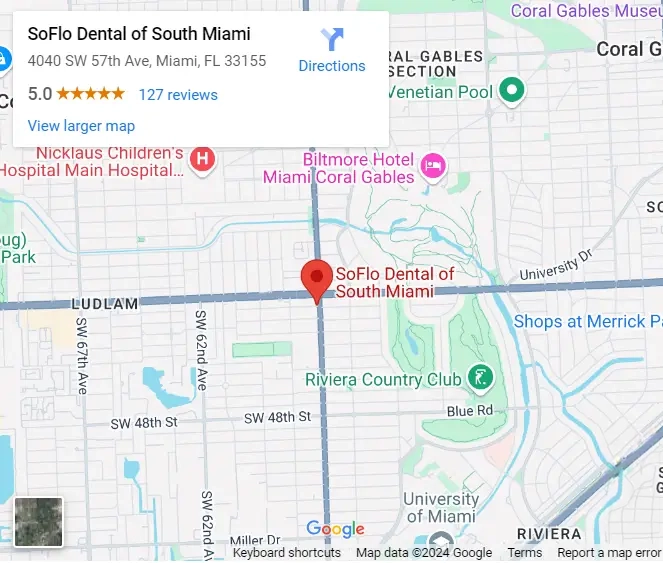
4040 SW 57th Ave, Miami, FL 33155
Working Hours
Mon: 9:00 a.m. – 5:00 p.m.
Tue: 9:00 a.m. – 5:00 p.m.
Wed: 8:30 a.m. – 8:00 p.m.
Thu: 9:00 a.m. – 5:00 p.m.
Fri: 9:00 a.m. – 5:00 p.m.
Sat: By Appointment Only
Sun: Closed

Welcome to SoFlo Dentistry, we provide exceptional dental care tailored to your needs. For appointments or inquiries.


