
Invisalign Attachments Explained: What They Are and Why You Might Need Them
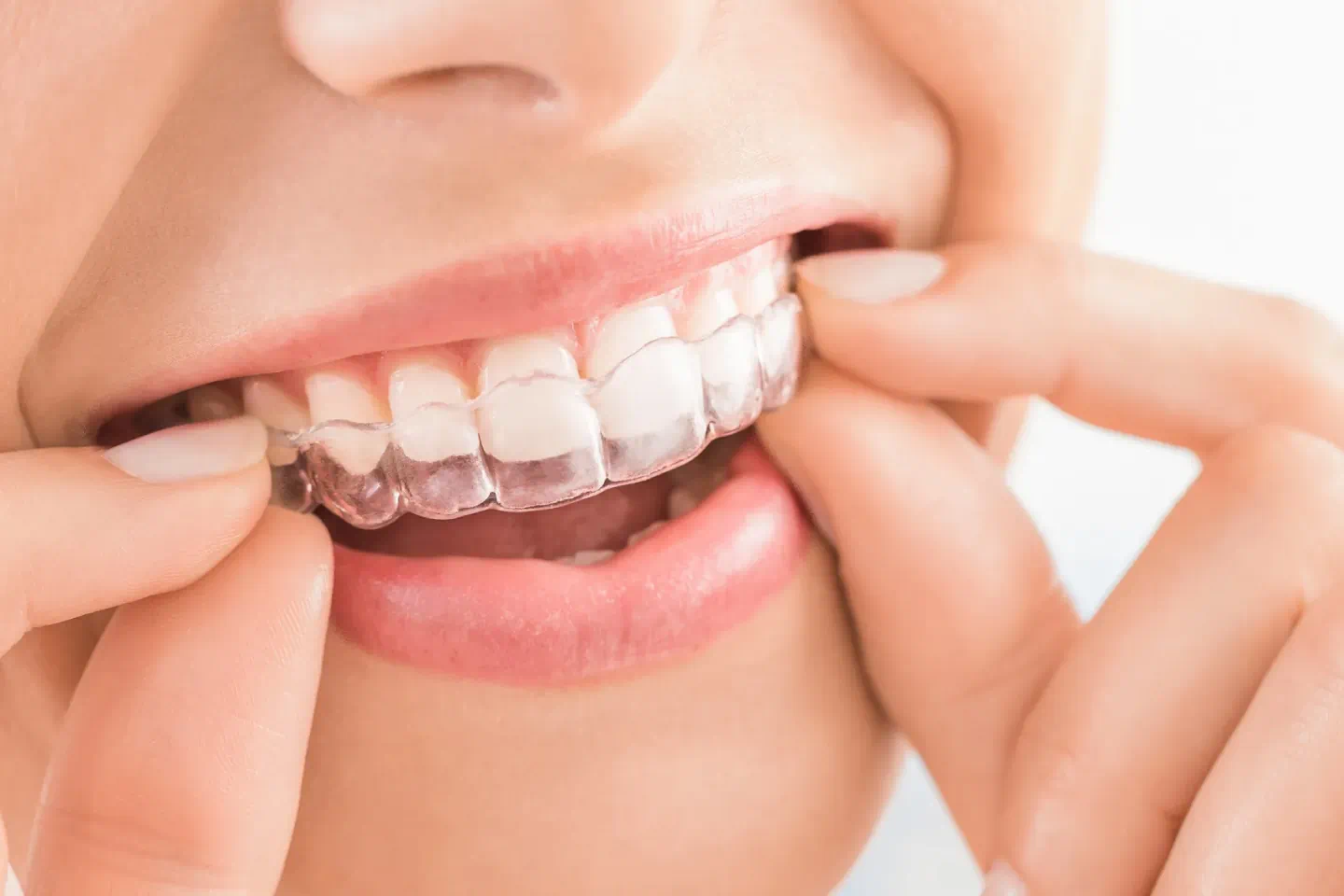
If you are considering Invisalign or have already started treatment, you may notice small, tooth-colored bumps attached to certain teeth. These are called Invisalign attachments. Although they may look unusual at first, they serve an important purpose in helping clear aligners move your teeth in specific directions.
Invisalign attachments work alongside your aligners to improve their grip and provide better control over tooth movement. Depending on your alignment concerns and bite, your dentist may recommend them as part of your treatment plan.
At SoFlo Dental of Kendall Miami and SoFlo Dental of South Miami, patients can explore orthodontic options and learn more about how clear aligners work. Understanding Invisalign attachments can help you know what to expect during treatment and how to care for your teeth throughout the process.
What Are Invisalign Attachments?
Invisalign attachments are small, tooth-colored shapes made from dental composite resin. This is the same type of material used in dental bonding. They are bonded to selected teeth to give the clear aligners additional grip.
Think of them as small handles that help the aligners apply controlled pressure to particular teeth. Without attachments, some tooth movements can be more difficult to achieve with aligners alone.
Attachments are customized according to your treatment plan. Their size, shape, and placement depend on which teeth need to move and the type of movement required. Some are rounded, some are rectangular, and some are slanted, because each shape is designed to encourage a different movement.
Although attachments are designed to blend in with your natural teeth, they may be noticeable at close range, particularly when placed on the front teeth.
Why Might You Need Invisalign Attachments?
Not everyone undergoing Invisalign treatment needs attachments. However, they are commonly included when your teeth require more precise or complex movements.
Your dentist may recommend attachments for the following reasons.
1. To Rotate Twisted Teeth
Some teeth, particularly canines and premolars, may need to rotate to achieve better alignment. Because teeth have different shapes and smooth surfaces, aligners may struggle to grip certain teeth effectively.
Attachments provide additional contact points that help the aligners guide these teeth towards their planned positions.
2. To Correct Crowded Teeth
Crowding occurs when there is insufficient space for teeth to align properly. Invisalign may be used to address selected cases of crowding, depending on their complexity.
Attachments can help control the movement of individual teeth as they shift into alignment. Your dentist may also recommend other measures, such as creating space between teeth, depending on your treatment needs.
3. To Move Teeth Up or Down
Some teeth need to move vertically to improve their position within the dental arch. These movements are known as intrusion and extrusion.
Attachments can provide the additional grip needed to help aligners apply the forces required for certain vertical movements.
4. To Improve Bite Alignment
Invisalign treatment may involve correcting certain bite problems, including selected cases of overbite, underbite, or crossbite. You can read more about which orthodontic problems Invisalign can treat before your consultation.
Attachments can help control tooth movement as part of a broader orthodontic plan. Depending on your bite, additional features or elastics may also be required.
5. To Help Aligners Fit Properly
For Invisalign to work as planned, the aligners need to fit closely against your teeth. Attachments help the trays engage with specific teeth, supporting the intended movement throughout treatment.
If a tooth does not follow the planned movement, your dentist may reassess the fit and determine whether adjustments are needed.
Are Invisalign Attachments Noticeable?
Invisalign attachments are made from tooth-colored composite material, which helps them blend with your teeth. However, they are not completely invisible.
Their visibility depends on several factors, including:
- The number of attachments placed
- Their size and shape
- Their position in your mouth
- The natural color of your teeth
- Lighting and viewing distance
Attachments on front teeth may be easier to notice than those on back teeth. You may also feel their raised surfaces with your tongue when the aligners are removed.
Although they can make your teeth look slightly different without the trays, attachments are a normal part of many Invisalign treatment plans. Having more attachments does not mean your case is unusually difficult. It simply reflects the movements your plan requires.
How Are Invisalign Attachments Placed?
Attachment placement is usually completed during a dental appointment and does not generally require injections or drilling into the tooth.
The process typically involves the following steps:
- Preparing the teeth: Your dentist cleans and dries the teeth where attachments will be placed.
- Applying the bonding material: The tooth surfaces are prepared as needed to help the composite material bond securely.
- Positioning the attachments: A special template is used to place the tooth-colored composite in the planned locations.
- Hardening the material: A curing light is used to set the composite.
- Checking the fit: The template is removed, excess material is cleaned away, and your aligners are checked.
The procedure is generally straightforward. Your dentist will explain the process and answer any questions before beginning.
Do Invisalign Attachments Hurt?
Having attachments placed is generally not painful, although you may notice pressure or mild discomfort as you adjust to them.
Some patients experience temporary tenderness when they begin wearing their aligners or switch to a new set. This discomfort is usually related to the orthodontic pressure used to move the teeth rather than the attachments themselves.
You may also notice that the attachments feel rough or prominent when you remove your aligners. Your tongue and cheeks generally adjust over time. Because attachments help the aligners grip, trays can also feel snugger and take a little more effort to remove, especially in the first few days.
If an attachment causes persistent irritation, sharp discomfort, or difficulty wearing your aligners, contact your dental provider for advice.
How Long Do Invisalign Attachments Stay On?
Invisalign attachments generally remain on the teeth for much of the active treatment period. However, the exact duration depends on your treatment plan.
Your dentist may decide that certain attachments are no longer needed as your teeth move into their planned positions. Others may need to remain in place until later stages of treatment.
When your active Invisalign treatment is complete, the attachments are removed professionally. Your dentist will carefully remove the composite material and polish the affected tooth surfaces.
Do not attempt to remove attachments yourself, as this could damage the tooth surface.
What Happens If an Invisalign Attachment Falls Off?
An attachment can occasionally become loose or fall off during treatment. If this happens, contact your dentist to find out whether it needs to be replaced.
A missing attachment may affect how an aligner grips a particular tooth, depending on its role in your treatment plan.
If an attachment falls off:
- Keep your aligners and continue wearing them as directed unless your provider advises otherwise.
- Check whether the aligner still fits properly.
- Contact your dental provider and explain which attachment has come off.
- Avoid trying to glue the attachment back onto your tooth.
- Follow the instructions you receive about arranging a repair.
Do not automatically move to the next aligner or change your wear schedule without advice if the missing attachment affects your treatment.
How Should You Care for Your Teeth With Invisalign Attachments?
Good oral hygiene is particularly important when you have attachments because plaque and food particles can collect around the raised surfaces.
Follow these daily care tips to help maintain your teeth and gums during treatment:
- Brush twice daily with fluoride toothpaste. Brushing after meals with Invisalign keeps food from being trapped under your trays.
- Clean carefully around each attachment.
- Floss or use an appropriate interdental cleaner every day.
- Remove your aligners before eating or drinking anything other than plain water.
- Clean your aligners according to your provider's instructions. These tips on caring for your Invisalign aligners cover daily cleaning and storage.
- Attend scheduled dental and orthodontic appointments.
Attachments themselves do not cause cavities. However, plaque accumulation and inadequate oral hygiene can increase the risk of tooth decay and gum inflammation during orthodontic treatment. Dark or sugary drinks can also stain or dull the area around attachments, which is another reason to take your aligners out before drinking anything other than water.
If you notice persistent bleeding gums, white spots on your teeth, or other changes in your mouth, ask your dentist for an assessment.
Can You Eat Normally With Invisalign Attachments?
Yes, you can generally eat your usual foods when your aligners are removed, but it is sensible to take care with particularly hard or sticky foods. For ideas on what works well during treatment, see these tips for eating with Invisalign.
Although attachments are bonded to your teeth, excessive force can loosen or damage them.
To protect your attachments:
- Remove your aligners before eating.
- Avoid biting directly into very hard foods if they put excessive pressure on your teeth.
- Cut firm foods into manageable pieces.
- Brush your teeth before reinserting your aligners whenever possible.
- Contact your dentist if an attachment becomes loose or breaks.
Your dentist may provide additional recommendations based on the number and location of your attachments.
Do Invisalign Attachments Affect Your Treatment Time?
Attachments can help aligners manage certain tooth movements more effectively, but they do not automatically make treatment faster.
Your overall Invisalign treatment time depends on the complexity of your case, the movements required, how consistently you wear your aligners, and how your teeth respond to treatment. If you are weighing your options, this comparison of Invisalign and traditional braces for speed explains what influences timing.
Wearing your aligners for the prescribed number of hours each day and following your provider's instructions can help keep treatment on track. Sticking to your clear aligner schedule matters just as much as the attachments themselves. If your teeth do not move as planned, your dentist may recommend refinements or other adjustments.
Attachments are one part of the treatment system, and their purpose is to support the movements outlined in your individual plan. If you are wondering how attachments fit into the overall cost of treatment, ask about it at your consultation so you have a clear picture of your plan.
Invisalign Treatment at SoFlo Dental
Invisalign treatment involves more than wearing a series of clear aligners. Depending on your alignment and bite, your treatment plan may include attachments and other features to help guide your teeth into their intended positions.
At SoFlo Dental of Kendall Miami and SoFlo Dental of South Miami, patients can discuss their orthodontic concerns, learn about available treatment options, and understand what Invisalign may involve.
If you are considering clear aligners, a dental consultation can help determine whether Invisalign is suitable for your needs. Your dentist can explain the expected treatment stages, the possible need for attachments, and the importance of maintaining good oral hygiene throughout the process.
Explore Your Invisalign Options
Invisalign attachments are small, but they can play an important role in controlling tooth movement during orthodontic treatment. If you want to learn more about clear aligners or understand whether attachments may be part of your treatment plan, contact SoFlo Dental to arrange a consultation.
Frequently Asked Questions on Invisalign Attachments
Q: Does everyone need attachments with Invisalign?
No. Whether you need attachments depends on your tooth alignment, bite, and the movements required. Some straightforward cases may be treated with aligners alone, while others benefit from attachments for better control. Your dentist can explain which features are needed for your individual treatment plan.
Q: Can Invisalign attachments damage my teeth?
When attachments are properly placed and removed by a dental professional, they are not intended to damage your teeth. However, poor oral hygiene during treatment can increase the risk of cavities, staining, and gum problems. Following your dentist's cleaning instructions and attending regular checkups can help protect your oral health.
Q: Can I drink coffee with Invisalign attachments?
Take your aligners out before drinking coffee. Coffee can stain teeth and attachments, and hot drinks can warp or discolor the plastic aligners. Once you have finished, rinse your mouth with water and clean your teeth before putting your aligners back in whenever possible.
Q: Will my Invisalign attachments be removed when treatment ends?
Yes. Attachments used during active Invisalign treatment are removed by your dental professional when they are no longer needed. The dentist carefully removes the composite material and polishes the tooth surfaces. You will then receive instructions about retainers, which help maintain your teeth in their new positions.
Q: What should I do if my Invisalign attachment feels sharp?
If an attachment feels sharp or causes ongoing irritation to your tongue, lips, or cheeks, contact your dentist. They can check the attachment and determine whether any adjustment is necessary. Do not file, cut, or remove the attachment yourself, as this could damage your tooth or interfere with your treatment.
Q: How many attachments will I need?
There is no standard number. Your treatment plan determines how many attachments you need and where they go, based on the movements your teeth require. A higher number does not mean your treatment will be harder or longer.
Q: Will attachments make my aligners harder to take out?
They can, especially at first, because attachments help the aligner grip your teeth. Most patients get used to it within a few days. If removing your aligners feels painful or you cannot take them out at all, contact your dentist.
SCHEDULE YOUR VISIT!
For appointments or inquiries.
*Your Full Name
*Location
*Your Email
*Your phone number
*Message body
I allow this website to store my submission so they can respond to my inquiry.
OUR TWO LOCATIONS
Kendall Miami & South Miami


13550 SW. 88th St., Unit #112, Miami, FL 33186
Working Hours
Mon: 11:30 a.m. – 8:00 p.m.
Tue: 9:00 a.m. – 5:00 p.m.
Wed: 11:30 a.m. – 8:00 p.m.
Thu: 9:00 a.m. – 4:30 p.m.
Fri: 9:00 a.m. – 4:30 p.m.
Sat: By Appointment Only
Sun: Closed
4040 SW 57th Ave, Miami, FL 33155
Working Hours
Mon: 9:00 a.m. – 5:00 p.m.
Tue: 9:00 a.m. – 5:00 p.m.
Wed: 8:30 a.m. – 8:00 p.m.
Thu: 9:00 a.m. – 5:00 p.m.
Fri: 9:00 a.m. – 5:00 p.m.
Sat: By Appointment Only
Sun: Closed

Welcome to SoFlo Dentistry, we provide exceptional dental care tailored to your needs. For appointments or inquiries.


